
 11
11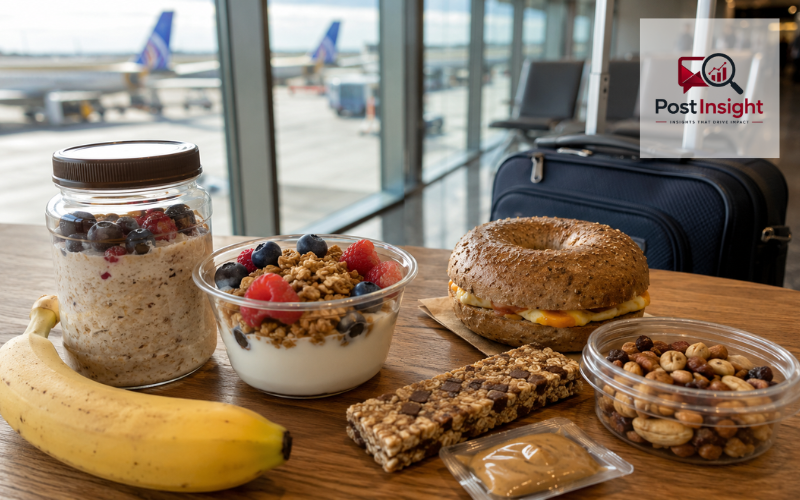
A travel breakfast is a simple morning meal that is easy to carry, easy to eat, and practical for busy travel days. It can be something packed from home, bought at a grocery store, prepared in a hotel room, or eaten on the way to work, the airport, or a road trip. The best travel breakfast is not only quick, but also filling enough to keep you comfortable until your next proper meal.
When choosing a travel breakfast, four things matter most: portability, freshness, protein, and convenience. A good breakfast should not leak in your bag, spoil too quickly, make a mess, or leave you hungry again after an hour. It should also match your travel situation. A breakfast for a flight may look different from one for a road trip, a hotel stay, a work commute, or a family trip with kids.
There are many easy options, including healthy travel breakfast ideas, high-protein snacks, kid-friendly meals, and no-cook hotel room breakfasts. With a little planning, you can avoid starting your day with only coffee, sugary snacks, or expensive food from airports and gas stations.
| Travel Situation | Best Breakfast Ideas | Why It Works |
| Flights | Instant oats, protein bars, nut butter packets, fruit | Easy to pack, TSA-friendly, and low-mess |
| Road Trips | Breakfast sandwiches, trail mix, bananas, yogurt in cooler | Filling and easy to eat during stops |
| Hotel Rooms | Oatmeal, bagels, cereal, Greek yogurt parfaits | No microwave or full kitchen needed |
| Work Commute | Overnight oats, wraps, boiled eggs, smoothies | Quick, portable, and practical for busy mornings |
| Kids’ Travel | Mini muffins, fruit pouches, cereal cups, cheese cubes | Simple, familiar, and less messy |
A good travel breakfast can make the whole day feel easier. Travel often comes with early departures, long lines, delays, limited food choices, and higher prices. When you already have breakfast packed, you do not have to depend on whatever is available at the airport, hotel lobby, or roadside stop.
It also helps keep your energy steady. Many quick travel foods are high in sugar but low in protein and fiber. They may give you quick energy, but they often leave you hungry again soon after. A better travel breakfast includes a mix of protein, whole grains, fruit, and healthy fats. This kind of meal can help you feel full for longer without feeling too heavy.
For families, a planned breakfast can reduce stress. Kids may get hungry at inconvenient times, and not every travel stop has child-friendly food. Busy workers also benefit from grab-and-go breakfast ideas because mornings can be rushed even without travel. Having something simple ready can save time and help you start the day in a calmer way.
For flights, the best travel breakfast is compact, low-mess, and easy to pass through airport security. Solid foods like granola bars, dry cereal, sandwiches, muffins, fruit, and trail mix are usually easier to carry than creamy or liquid foods. TSA rules state that liquid or gel food items larger than 3.4 ounces are not allowed in carry-on bags, so items like yogurt, large nut butter jars, and creamy spreads need extra care when packing.
A smart flight option is DIY instant protein oats. You can pack dry rolled oats, protein powder, cinnamon, and a little dried fruit in a zip-top bag or small container. After security, ask for hot water at a coffee shop or use hot water on the plane if available. This gives you a warm, filling breakfast without needing a kitchen.
Single-serve nut butter packets are also useful because they pair well with bananas, apples, rice cakes, or whole-grain crackers. Choose small packets that follow airline security rules. Whole-grain bars, protein bars, muesli bars, and dry cereal cups are also easy to pack and eat during a long flight.
Try to avoid strong-smelling, crumbly, or messy foods on planes. A simple breakfast that does not bother other passengers is always better. Dry snacks, fruit, and sealed breakfast bars are often the safest choices.
A healthy travel breakfast should be balanced, not complicated. The goal is to include foods that give you steady energy without needing too much preparation. High-fiber oatmeal packets are one of the easiest choices because they are light, shelf-stable, and filling. You can mix them with hot water in a hotel room, airport lounge, or office kitchen.
Greek yogurt with granola is another good choice when refrigeration is available. It gives you protein, crunch, and a little natural sweetness if you add berries or sliced fruit. If you are using a cooler bag, boiled eggs, cheese sticks, cottage cheese cups, and yogurt can work well for short travel periods.
Fruit, nuts, seeds, and whole-grain crackers are also dependable. Apples, bananas, grapes, oranges, and dried fruit travel well and can be paired with nuts or seed mixes for a more filling meal. The best healthy travel breakfast is not just “light.” It should contain enough protein, carbs, and healthy fats to keep you satisfied while moving.
High-protein on-the-go breakfast ideas are helpful when you have a long travel day ahead. Protein helps make breakfast more filling, especially when it is paired with fiber-rich foods like oats, whole grains, fruit, nuts, or seeds.
Protein bars are one of the easiest choices, but it is better to choose bars with moderate sugar and a good amount of protein. Nut butter packets with bananas or apples are another simple option. This combination is easy to carry and feels more like a real breakfast than a plain snack.
For savory options, try beef or turkey jerky, roasted chickpeas, mixed nuts, pumpkin seeds, or a savory trail mix. These are useful when you want a high-protein breakfast that does not taste sweet. Protein oatmeal cups, overnight oats in sealed containers, egg muffins, and breakfast wraps also work well when you have a cooler bag or access to refrigeration.
For road trips or work commutes, make-ahead breakfast wraps can be especially practical. A tortilla filled with egg, cheese, beans, or lean meat is easy to hold, easy to pack, and more satisfying than a pastry.
Hotel room breakfast ideas with no microwave are useful when your room has limited appliances. Many travelers only have a coffee maker, kettle, mini-fridge, or nothing at all. Even then, you can still make a simple and filling travel breakfast.
Instant oatmeal is one of the best hotel room options. If there is a kettle or coffee maker, you can use hot water to prepare it. Add nuts, seeds, dried fruit, or a nut butter packet to make it more filling. Bagels with cream cheese or nut butter are another easy choice, especially if you have a mini-fridge.
Greek yogurt parfait cups are also simple. Buy single-serve yogurt from a nearby grocery store and top it with granola and berries. Cereal with shelf-stable milk cartons is another no-cook option that works well for adults and kids. Fresh fruit, muffins, breakfast biscuits, and ready-to-eat breakfast packs can also help you avoid expensive hotel food.
The key is to shop once and keep breakfast simple. A few basic items in your room can cover several mornings without needing a kitchen.
Road trips give you more flexibility because you can use a cooler, food containers, and larger bags. This makes it easier to pack a more complete travel breakfast. Make-ahead breakfast sandwiches are one of the best choices. You can prepare English muffins with egg, cheese, ham, or turkey, wrap them in foil, and store them in a cooler.
Savory trail mix is another good road trip breakfast. A mix of almonds, cashews, pumpkin seeds, roasted chickpeas, and jerky gives you protein and crunch without too much sugar. It is also easy to eat during a short stop.
Fruit is very useful for road trips because it needs little preparation. Bananas, grapes, apples, oranges, and applesauce pouches are easy choices. If you are traveling with kids, choose foods that do not spill easily or require cutting. Breakfast boxes with boiled eggs, cheese cubes, crackers, fruit, and nuts can also work well if kept cold.
For any perishable foods, use an insulated cooler with ice packs. USDA food safety guidance says cold foods should be kept at 40°F or colder, and perishable foods should not be left out for more than two hours, or one hour when temperatures are above 90°F.
Travel breakfast ideas for kids should be simple, familiar, and low-mess. Children may not want a complicated meal while sitting in a car seat, airport chair, or hotel bed. Soft granola bars, mini muffins, fruit pouches, bananas, grapes, cheese cubes, and crackers are easy choices.
Peanut butter or almond butter sandwiches can also work well if there are no allergy concerns. Cut them into small pieces before packing so kids can eat them more easily. Dry cereal cups and yogurt tubes are useful, but yogurt should be kept cold in a cooler bag.
For flights and car rides, avoid foods that crumble too much, stain clothes, or create strong smells. Choose items that can be eaten with one hand and packed in small portions. Small containers also help prevent overeating and reduce waste.
A good kid-friendly travel breakfast does not need to be perfect. It only needs to be safe, filling, and easy enough for the situation.
Sometimes you do not have time to prepare breakfast at home. In that case, grab-and-go breakfast ideas to buy can still be better than fast food if you choose carefully. Grocery stores, airport shops, convenience stores, and hotel markets often have simple options.
Look for Greek yogurt cups, fruit cups, cheese packs, boiled eggs, whole-grain breakfast biscuits, individual cereal cups, and shelf-stable milk. Store-bought protein bars and granola bars can also be useful, especially when the ingredient list is simple and the sugar content is not too high.
Ready-made breakfast sandwiches can be convenient when refrigeration or heating is available. If you are buying food for later, check whether it needs to stay cold. Foods like yogurt, cheese, eggs, and breakfast sandwiches should not sit in a warm bag for hours.
A helpful rule is to combine two or three small items instead of relying on one sugary snack. For example, yogurt with fruit and granola is more balanced than a sweet muffin alone.
Grab-and-go breakfast ideas for work often overlap with travel breakfast ideas. Both need to be quick, portable, and easy to eat during a busy morning. Overnight oats in jars or sealed containers are a strong choice because they can be prepared the night before and customized with fruit, nuts, seeds, or yogurt.
Breakfast wraps, boiled eggs, muffins, smoothie bottles, and protein shakes are also useful for early mornings. Whole-grain toast or bagels with nut butter can be wrapped and eaten on the way to work or while waiting at the airport.
If your morning is very rushed, prepare breakfast in portions. Keep bars, nut packets, oatmeal packets, and fruit in a basket or bag so you can grab them quickly. This small habit makes it easier to avoid skipping breakfast or buying something less satisfying later.
The best travel breakfast on the go is the one you will actually eat. Keep it simple, familiar, and easy to carry.
Shelf-stable travel breakfast foods are the easiest to pack because they do not need refrigeration. They are especially helpful for flights, long drives, camping-style trips, and hotel stays without a mini-fridge.
Instant oats, dry cereal, granola, muesli, protein bars, nut packets, seed mixes, dried fruit, applesauce pouches, whole-grain crackers, and rice cakes are all practical choices. These foods can sit in a bag without spoiling quickly and can be combined in many ways.
For example, instant oats with a nut butter packet make a warm breakfast if hot water is available. Granola with shelf-stable milk can become a quick hotel room meal. Crackers with nut butter and fruit can work when you have no bowl, spoon, or table.
Shelf-stable does not have to mean boring. With the right mix of textures and flavors, you can build a travel breakfast that feels complete and satisfying.
Packing matters just as much as choosing the food. A good breakfast can become frustrating if it leaks, gets crushed, or becomes unsafe to eat. Use leak-proof containers for oats, yogurt, fruit, and sandwiches. Zip-top bags are useful for dry foods like cereal, granola, crackers, and trail mix.
If you are packing cold foods, use an insulated bag with ice packs. Keep wet and dry ingredients separate until you are ready to eat. For example, pack granola separately from yogurt so it stays crunchy. Keep nut butter packets, fruit, and crackers in separate sections to avoid mess.
For flights, remember that spreads, yogurt, and drinks may count as liquids or gels if they are in larger containers. TSA advises placing liquid or gel foods larger than 3.4 ounces in checked bags when possible.
Choose low-mess foods for moving vehicles and crowded places. If you need utensils, napkins, or wipes, pack them in the same bag as your breakfast. A little planning can make the meal much easier to enjoy.
One common mistake is packing only sweet snacks. Pastries, candy-like bars, and sweet drinks may be easy to carry, but they often do not keep you full for long. Try to include protein or fiber whenever possible.
Another mistake is forgetting the travel setting. A breakfast that works in a hotel room may not work on a plane. A yogurt parfait may be great with a mini-fridge, but not ideal for a long wait at airport security. A breakfast sandwich may be perfect for a road trip, but it needs proper cooling if it contains eggs, cheese, or meat.
Messy, smelly, or crushable foods can also create problems. Avoid foods that leak, crumble badly, or bother people nearby. It is also risky to depend only on hotel breakfast, airport food, or gas station stops. Options may be limited, expensive, or unavailable when you need them.
If you are traveling with kids, plan for delays. Pack a little extra food, but keep portions small and easy to manage.
The best travel breakfast depends on how you are traveling and what you have available. For flights, choose compact and TSA-friendly foods like dry oats, bars, fruit, cereal cups, and small nut butter packets. For road trips, use a cooler to pack breakfast sandwiches, yogurt, fruit, eggs, and breakfast boxes. For hotels, no-cook options like instant oatmeal, bagels, yogurt parfaits, cereal, and fresh fruit can make mornings much easier.
A good travel breakfast should be portable, balanced, and simple to eat. It does not need to be fancy. It only needs to help you feel full, save time, and make your morning less stressful.
Whether you are flying, driving, staying in a hotel, going to work, or traveling with family, a little breakfast planning can make the day smoother. Choose foods that stay fresh, pack easily, and give you steady energy, and your travel morning will feel much easier from the start.
The best travel breakfast is easy to pack, filling, and low-mess. Good options include oatmeal packets, protein bars, fruit, nut butter packets, yogurt cups, and make-ahead breakfast sandwiches.
For flights, choose solid and simple foods like protein bars, dry cereal, instant oats, fruit, trail mix, and small nut butter packets. Avoid messy, smelly, or oversized liquid foods.
A healthy travel breakfast includes protein, fiber, and slow-release energy. Try oats with nuts, Greek yogurt with granola, fruit with nut butter, boiled eggs, or whole-grain crackers with cheese.
Good no-microwave hotel breakfasts include instant oatmeal with hot water, bagels with cream cheese, cereal with shelf-stable milk, Greek yogurt parfaits, fresh fruit, muffins, and ready-to-eat breakfast packs.
Kid-friendly travel breakfasts include mini muffins, bananas, fruit pouches, soft granola bars, cheese cubes, crackers, dry cereal cups, yogurt tubes, and small nut butter sandwiches.
Disclaimer: This article is for general food and travel planning information only. Always check current airline and airport food rules before flying, follow food safety guidelines for perishable items, and consider personal allergies, dietary needs, and health conditions before choosing any travel breakfast.