 11
11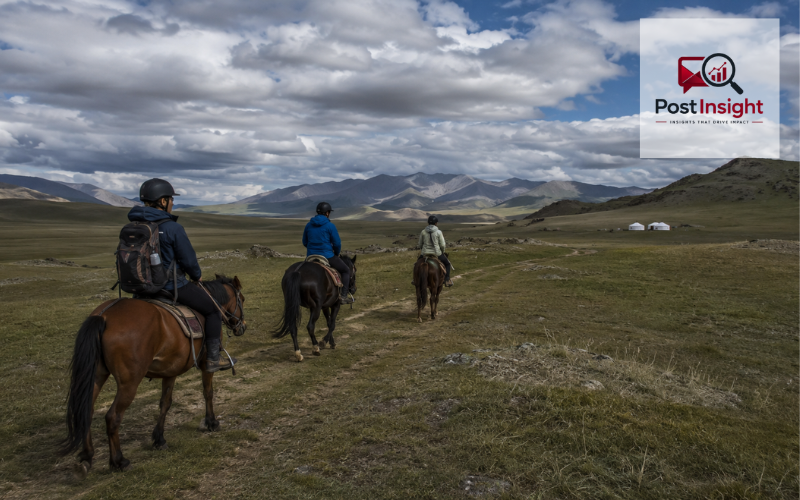
To experience Mongolia by horse is to travel at the natural speed of the landscape. Instead of watching the steppe through a vehicle window, riders move through open grasslands, remote river valleys, forest edges, volcanic country, and mountain passes. The journey also brings visitors closer to Mongolia’s living nomadic traditions, where horses continue to support herding, travel, sport, family life, and cultural identity.
This is not a polished riding holiday built around stables, marked trails, and luxury hotels. A Mongolian horse trek may involve long days outdoors, basic camps, sudden weather changes, river crossings, and nights in tents or traditional gers. The reward is a deeper sense of place and a closer connection with people who have lived alongside horses for generations.
This guide explains the main riding regions, trek types, likely prices, seasonal conditions, accommodation, safety, and preparation required for a responsible journey through Mongolia.
| Riding Region | Best For | General Difficulty | Suggested Trek Length | Main Highlights |
| Orkhon Valley | First-time visitors and cultural experiences | Easy to moderate | 5–10 days | Green valleys, waterfalls, monasteries, volcanic land, and nomadic camps |
| Gorkhi-Terelj | Short trips and travelers staying near Ulaanbaatar | Easy to moderate | 2–5 days | Forest trails, rivers, rock formations, and open grassland |
| Khan Khentii | Confident riders seeking quieter routes | Moderate to challenging | 7–14 days | Mountain passes, forests, rivers, and remote steppe |
| Lake Khovsgol | Scenic riding and cooler northern landscapes | Moderate | 7–12 days | Freshwater lake, pine forests, mountain views, and northern communities |
| Altai Mountains | Experienced riders and expedition-style travel | Challenging | 10–20 days | High passes, rugged valleys, Kazakh culture, and snow-covered peaks |
Horses are not simply a tourism attraction in Mongolia. They are woven into everyday rural life. Herders use them to manage livestock, children often begin riding at a young age, and horse racing remains one of the central events of the Naadam Festival. Figures based on Mongolia’s 2025 livestock census put the national horse population at approximately 5.1 million, showing the continuing scale of the country’s relationship with horses.
Traveling with local horsemen helps visitors understand this culture through daily experience rather than observation alone. A guide may explain grazing patterns, weather signs, tack, camp customs, or how a family chooses and handles its riding horses.
Riders should treat visits to nomadic homes as personal invitations rather than staged performances. Asking before taking photographs, listening to the guide, accepting hospitality politely, and behaving calmly around livestock all help create a respectful exchange.
Responsible, locally guided travel can also bring income to rural families while giving travelers access to knowledge that cannot be learned from a guidebook. The best journeys feel less like sightseeing and more like temporarily joining the rhythm of life on the steppe.
The native Mongol horse is compact, strong, and well suited to difficult ground. Most stand around 12 to 14 hands high, with short legs, solid bodies, firm hooves, and impressive stamina. Regional types may vary, but Mongolian horses are generally known for strength, balance, and the ability to move confidently over rough terrain.
Many live outdoors in herds for most of the year and find much of their own grazing. Because they are raised in open conditions, they can feel more independent and alert than horses commonly used in riding schools.
Their small size should not be mistaken for weakness. They can carry adult riders across rocky slopes, marshy ground, forest paths, and wide areas of steppe. However, sudden movements, flapping raincoats, loose camera equipment, or unusual shadows may worry a horse that is unfamiliar with them. Riders should move calmly and follow the wrangler’s instructions.
Traditional Mongolian saddles have wooden frames, high fronts and backs, and short stirrups. Some local riders prefer them, but many tour operators provide Russian, trekking, or modified Western saddles for international guests. Riding signals can also differ from those used at home. Many trekking horses respond to simple one-handed rein control, voice, pressure against the neck, and the movement of nearby horses.
The guide’s riding briefing should always take priority over assumptions based on previous experience.
Central Mongolia and the Orkhon Valley provide a balanced introduction to horseback travel. Riders can cross broad grasslands, river country, wooded hills, and volcanic areas while visiting nomadic camps and historic places near Kharkhorin. The Orkhon Valley is a UNESCO World Heritage cultural landscape shaped by centuries of nomadic societies. It works well for rides of approximately five to ten days, although longer routes can continue toward the Eight Lakes area.
Khan Khentii and Gorkhi-Terelj, east and northeast of Ulaanbaatar, combine open steppe with forests, rivers, boggy sections, and mountain trails. Terelj is relatively accessible for short rides, while routes that travel deeper into Khan Khentii feel much more remote. Technical forest ground and river crossings can make the longer expeditions more suitable for confident riders.
Lake Khovsgol in northern Mongolia is known for clear water, pine forests, mountain views, and wide northern skies. Reaching the region requires more travel time, but it suits riders who want a cooler, greener environment. Routes may include lakeside sections, forest trails, and meetings with families living in remote communities.
The Altai Mountains in western Mongolia are among the most demanding choices. High passes, broad valleys, cold nights, snow-covered peaks, and lengthy transfers create a true expedition atmosphere. The region is also home to Kazakh communities and living eagle-hunting traditions. A longer itinerary is usually worthwhile because reaching western Mongolia takes time and weather can slow progress.
Guided group tours are the simplest choice for most visitors. They normally provide horses, local wranglers, an English-speaking guide, meals, camping equipment, and support for transporting luggage. Groups can be social and more affordable than private arrangements, but the route and daily pace are usually fixed.
A private trek costs more but gives riders greater control over speed, rest days, and cultural stops. Locally arranged trips may be less expensive and more flexible, although equipment quality, English-language support, and safety systems can vary.
Self-supported expeditions offer the greatest freedom, but they require strong riding, navigation, camping, horse-care, and emergency skills. Mongolia’s size and limited infrastructure mean that small mistakes can become serious problems far from a town.
Beginners should look for shorter riding days, calm horses, nearby vehicle access, and clear instruction. Intermediate riders may enjoy multi-day routes with controlled canters and varied terrain. Experienced riders can consider longer mountain or backcountry journeys, but arena skills do not automatically prepare someone for semi-wild horses and remote conditions.
Before booking, ask how many hours you will ride each day, how horses are matched, which saddle is supplied, how luggage is transported, how large the group will be, and what happens if a rider becomes sick or cannot continue.
A 5-day horse trek in Mongolia is a practical option for travelers with limited time. The first day often includes transport from Ulaanbaatar or a regional town, meeting the local team, saddle fitting, horse matching, and a shorter introductory ride.
The middle days usually involve several hours in the saddle, divided by lunch, rest stops, family visits, and time to establish camp. The final day may include a shorter ride followed by a road transfer to a town, guesthouse, or hotel.
A central Mongolia route might combine the Orkhon Valley, nomadic households, river crossings, and open steppe. A trek near Terelj or Khan Khentii may focus more on forests and mountain valleys. Current 2026 programs include five-day spring rides as well as longer summer departures, showing that short treks are available but may follow a different format from full backcountry expeditions.
Five days are enough to understand the rhythm of trail life without committing to a major journey. The main limitation is that road transfers can occupy a large part of the itinerary, especially when visiting the Altai or far north. Riders wanting a deeply remote experience may find seven to fourteen days more satisfying.
The phrase cross Mongolia by horse can describe several types of journey. It may refer to a regional crossing between valleys, a multi-week ride through one province, or a complete west-to-east expedition. A true national crossing involves thousands of kilometers and cannot be approached like an extended recreational trail ride.
The difficulties include huge distances, limited marked routes, changing river levels, unreliable phone coverage, sudden weather, grazing needs, horse health, and long gaps between dependable supplies. Riders may require replacement horses, food drops, interpreters, local permissions, and vehicle support in selected areas.
Saraa’s Horse Trek Mongolia reports organizing a 3,200-kilometer west-to-east charity ride over 64 days in 2022. That example shows what can be achieved, but it also demonstrates the scale of planning and local support required.
For most travelers, a two- or three-week regional expedition offers the feeling of a major crossing with fewer risks and more time to appreciate the landscape.
A solo horse trek in Mongolia appeals to experienced travelers because of the country’s vast unfenced spaces and strong horse culture. However, buying or hiring a horse is only the beginning.
An independent rider must judge the animal’s health, fit the tack correctly, find grazing and water, prevent the horse from escaping, handle minor injuries, and recognize when an animal should not continue. The rider must also carry food, camping equipment, repair tools, and emergency supplies without overloading the horse.
Navigation can be difficult. Tracks may divide or disappear, rivers can become unsafe after rain, and maps may not show seasonal camps or usable crossings. Language barriers can complicate horse purchases, veterinary help, camping arrangements, and requests for directions.
Satellite communication, water treatment, first-aid knowledge, dependable navigation equipment, and a clear emergency plan are essential. Accounts from independent riders also show that managing horses every day adds significant physical and mental work beyond the riding itself.
Hiring a local horseman is often the best middle path. The journey can remain private and flexible while gaining local route knowledge, cultural understanding, and help with horse care. A fully unsupported expedition should be reserved for riders with proven equestrian and wilderness experience.
The Mongolia horse trek price varies widely because trips are not directly comparable. Duration, region, group size, domestic flights, vehicle support, accommodation, guide language, camping equipment, and the number of staff all affect the final cost.
Publicly listed 2026 examples demonstrate the range. One five-day Orkhon Valley arrangement has been advertised at about US$600 per person for two travelers. Stone Horse Mongolia lists a fully supported five-day spring trek at US$2,040, including airport transfers, arrival and departure accommodation, food, drinks, riding, and camping equipment. A separate longer 2026 group horseback itinerary has been listed at US$2,384 per person. These figures are examples rather than fixed market prices, and availability or inclusions may change.
Check whether a quotation includes airport pickup, road or domestic-air transfers, horses, guides, cooks, meals, tents, ger stays, park fees, baggage animals, helmets, sleeping bags, and drinking water.
Possible extra costs include international flights, accommodation in Ulaanbaatar, tips, insurance, personal riding clothes, single-room charges, festival tickets, and emergency evacuation.
The lowest price is not always the best value. A cheaper trip may be suitable when it is clearly organized, but removing experienced staff, reliable equipment, communication systems, or emergency support can create unnecessary risk in a remote area.
June through September is the main season for Mongolia by horse travel. June brings fresh grass and long daylight, although rain, mud, and cold nights remain possible. July is generally warmer and is associated with the national Naadam celebrations, held from July 11 to 13 in 2026. Transport and accommodation demand can increase around the festival.
August often provides warm days and established trails, but insects can be noticeable near rivers and lakes. Weather can still change quickly, particularly in mountain areas.
Late August and September bring cooler nights and autumn colors in parts of the country. They also create opportunities to combine riding with eagle festivals in western Mongolia. Published 2026 programs show events and tours during September and early October, but travelers should confirm the exact festival, dates, and location before booking because several separate celebrations are organized in Bayan-Ölgii.
Spring can be windy, dry, muddy, and cold, while winter riding requires specialist support and extreme-weather preparation. Even in summer, riders should carry layers, waterproof clothing, sun protection, gloves, and a warm sleeping system.
A good trekking operator should provide more than attractive Mongolia by horse photos. Look for clear information about riding levels, horse welfare, daily distances, saddles, helmets, guide experience, camp hygiene, food, emergency communication, evacuation arrangements, and cancellation terms.
Ask whether the operator owns the horses or works with local families. Find out how horses are selected, rested, watered, and allowed to graze. The company should also explain what happens if a horse becomes lame or a rider is unable to continue.
Stone Horse Mongolia and Saraa’s Horse Trek Mongolia are two names travelers may find during their research. Stone Horse publishes scheduled five- and ten-day departures for 2026, while Saraa’s describes itself as a local family-run trekking business offering regional horseback experiences. Their online presence does not remove the need to compare current terms, recent reviews, route details, and suitability.
Mongolia horse trek Reddit discussions can reveal useful questions and personal experiences, but posts are anecdotal. One rider’s idea of comfort, difficulty, value, or safety may differ from yours, and older comments may describe prices, guides, or equipment that have since changed.
Before paying a deposit, confirm:
Some short treks accept beginners, but several riding lessons before departure can greatly improve balance, confidence, and comfort. Riders should practice mounting, dismounting, steering with one hand, riding outside an arena, and remaining relaxed at the walk, trot, and controlled canter.
Longer or mountain treks require stronger fitness and the ability to remain calm when horses move together. A rider who becomes tense or pulls suddenly on the reins may make an already alert horse more nervous.
Approach and mount from the left unless the guide gives different instructions. Leave safe space between horses, avoid passing suddenly, and never wrap the reins around your hand. Follow the wrangler during river crossings, steep descents, and difficult ground. A properly fitted riding helmet is strongly recommended, even when local riders choose not to wear one.
Travel insurance should clearly cover horse riding at the planned level and include medical evacuation from remote areas. Current official travel guidance for Mongolia advises visitors to obtain insurance covering their itinerary and planned activities, while U.S. travel information specifically recommends supplemental medical-evacuation cover.
Carry personal medicine, blister treatment, pain relief, water purification, sun protection, and a small first-aid kit. Tell the operator about allergies, previous injuries, dietary needs, and medical conditions before the journey.
To reduce soreness, use well-fitted boots, smooth riding trousers, gloves, and a saddle that suits your body. Build leg and core strength before traveling, stretch after riding, drink water regularly, and report pain early rather than allowing a small problem to end the trek.
Accommodation ranges from wilderness tents to family gers and organized ger camps. Tented expeditions may have simple toilets, limited washing water, and no electricity. Family stays offer closer cultural contact but should not be expected to provide hotel-style privacy or facilities.
Ger camps are generally more comfortable and may provide beds, dining areas, showers, and charging points, although standards vary greatly by region. Fully supported expeditions commonly combine camping with meals and equipment transported by support animals or vehicles.
Meals often include meat, noodles, rice, potatoes, bread, dairy products, tea, and simple camp dishes. Vegetarian meals or support for allergies may be possible when arranged in advance, but choices become limited in remote areas. Ask how drinking water is filtered or boiled and consider carrying a personal purification backup.
When entering a family ger, follow the guide’s lead, avoid touching religious or private objects, and receive offered food respectfully. Always ask before photographing people, children, homes, or personal moments.
For authentic Mongolia by horse photos, keep enough distance that the camera does not distract your horse or block another rider. A compact camera or securely attached phone is easier to manage than loose equipment. Use a dust-resistant bag, waterproof cover, spare batteries, and sealed storage during river crossings.
Never try to take photographs when both hands are needed to control the horse.
Mongolia by horse combines enormous landscapes, demanding travel, and close contact with one of the world’s strongest surviving horse cultures. It can be peaceful, exciting, uncomfortable, and deeply memorable—sometimes within the same day.
The right journey depends on an honest assessment of riding ability, fitness, budget, and comfort with basic conditions. Careful operator research, suitable insurance, realistic packing, and respect for local families and horses are more important than choosing the longest or most dramatic route.
For travelers prepared to slow down and accept the uncertainty of the steppe, horseback travel provides something roads cannot: a direct connection to Mongolia’s land, people, animals, and daily rhythm.
Some short guided treks accept beginners, but basic lessons improve balance and confidence. Longer mountain or backcountry routes are better suited to experienced riders.
June to September is the main riding season, with long daylight and milder weather. Riders should still prepare for rain, cold nights, strong sun, and sudden changes.
Prices depend on trek length, region, group size, accommodation, transfers, and support services. Compare what is included rather than choosing a trip only because it is cheaper.
It is possible for highly experienced riders, but the distances, navigation, horse care, river crossings, and limited services make local support strongly advisable.
Most journeys combine wilderness tents, family ger stays, and organized ger camps. Facilities may be basic, especially in remote regions, so travelers should expect limited showers and electricity.
Disclaimer: This article is provided for general travel information only. Trek prices, routes, festival dates, entry rules, weather conditions, and operator services can change without notice. Horse riding and remote travel involve risks, including falls, injuries, severe weather, and limited access to medical care. Readers should verify current details with tour operators and official travel authorities, assess their riding ability honestly, and obtain suitable travel and medical-evacuation insurance before booking.