 11
11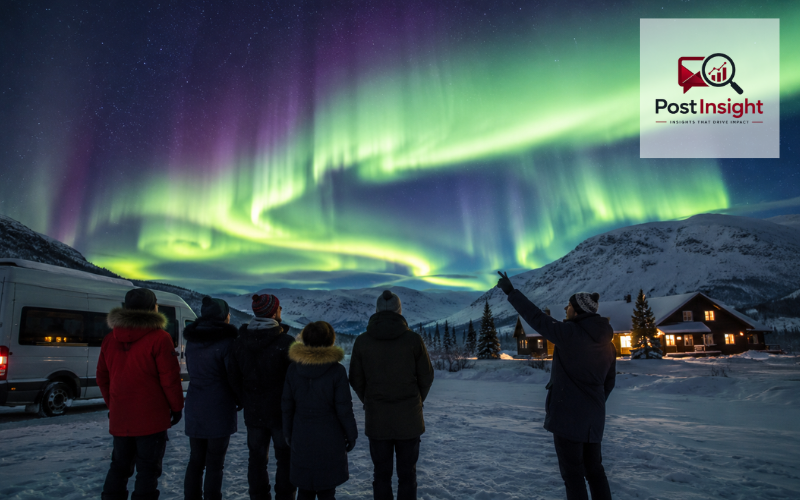
Northern lights tours are guided travel experiences designed to help people see the aurora borealis, one of nature’s most beautiful sky displays. These tours usually take place in cold northern regions where dark skies, clear weather, and strong aurora activity come together. Instead of simply hoping to see the lights from a hotel window, travelers join local guides who know where to go, when to leave, and how to avoid cloudy or bright areas.
The northern lights happen when charged particles from the Sun interact with Earth’s upper atmosphere, creating glowing curtains of green, purple, red, or white light in the sky. NASA explains that auroras are linked to solar activity, such as solar flares and coronal mass ejections, which send charged particles toward Earth.
The main reason travelers book northern lights tours is simple: a guided tour can improve the experience. A local guide can check weather conditions, read aurora forecasts, drive away from city lights, and choose better viewing spots. NOAA also provides aurora visibility predictions for tonight and tomorrow night, which helps guides and travelers understand where the lights may be visible.
Before choosing a tour, readers should understand that no northern lights tour can promise a sighting. The aurora depends on solar activity, darkness, weather, and timing. Still, choosing the right destination, season, and tour type can make the trip more rewarding. Popular options include minibus chases, warm cabin viewing, glass igloo stays, coastal cruises, and adventure packages with husky sledding or snowmobiling.
| What to Compare | Best Choice | Why It Matters |
| Best season | Late September to early April | Longer nights give better viewing chances |
| Best for active chasing | Tromsø, Norway | Guides can drive to clearer skies |
| Best from USA | Fairbanks, Alaska | Easier travel for many US-based visitors |
| Best in Canada | Yellowknife | Known for dark skies and strong aurora conditions |
| Best for comfort | Lapland glass igloos or cabins | Warm, scenic, and relaxed viewing |
| Best tour style | Small-group guided tour | More flexible and personal than large buses |
| Key booking tip | Choose flexible dates | Weather can change quickly |
Most northern lights tours begin in the evening, after the sky becomes dark. Travelers are usually picked up from a hotel, meeting point, or tour office. The guide then checks cloud cover, road conditions, and aurora forecasts before deciding where to go. In some destinations, the group may drive only a short distance outside the city. In others, the tour may travel for several hours to find clearer skies.
A typical aurora tour is not only about standing outside and waiting. Many guides explain how the northern lights form, help travelers stay warm, and assist with camera settings. Some tours provide hot drinks, snacks, thermal suits, tripods, or professional photos. More comfort-focused tours may take guests to heated cabins, wilderness camps, or viewing lodges.
There are two main styles of northern lights tours. Fixed-location viewing means the group stays in one planned place, such as a lodge, cabin, camp, glass igloo resort, or aurora village. This is often more comfortable and works well for families, seniors, and travelers who do not want long drives at night. Active aurora chasing means the guide drives to different areas during the evening to escape clouds and light pollution. This can improve the chance of finding clear sky, but it may involve longer hours and colder outdoor waiting.
The most important thing to remember is that sightings are never guaranteed. Even the best northern lights tours can be affected by snow, rain, clouds, full moon brightness, or weak solar activity. A good operator will be honest about this and will focus on giving travelers the best possible chance rather than making unrealistic promises.
For most northern lights destinations, the main viewing season runs from late September to early April. This is when nights are long and dark enough for the aurora to be visible. In Tromsø, Norway, the official tourism board says there is a good chance of seeing the northern lights from September until early April because the city sits in the center of the northern lights oval. Iceland’s official tourism site also describes September to April as the country’s northern lights season.
The darkest winter months, such as December, January, and February, often give longer viewing windows. These months can be very cold, but they are popular because the nights are long and winter scenery adds to the experience. Snow-covered landscapes, frozen lakes, and Arctic towns can make the trip feel more complete.
Shoulder-season months, such as late September, October, March, and early April, can also be excellent. These periods may bring fewer crowds, slightly milder temperatures, and better prices in some places. In Finland, Visit Finland notes that September–October and February–March can offer strong aurora activity with more manageable temperatures and fewer crowds.
Weather matters just as much as the month. Clear skies are essential. Daylight hours also matter because the sky must be dark enough to see the lights. Moonlight can affect how bright the aurora appears, but it does not always ruin the experience. A strong aurora can still be visible under moonlight, while a weak display may be harder to see.
The best northern lights tours are usually found in places close to or inside the aurora zone. These regions sit far enough north to give travelers a stronger chance of seeing the lights during the right season.
Tromsø, Norway, is one of the most popular aurora tour hubs in Europe. It is well known for active aurora chases, small-group minibus tours, fjord scenery, and winter activities. The city has a large number of tour choices, from budget-friendly group tours to private photography trips.
Reykjavík, Iceland, is a strong option for travelers who want a mix of northern lights tours and daytime sightseeing. Many northern lights tour packages in Iceland include waterfalls, glaciers, hot springs, black sand beaches, or the Golden Circle. This makes Iceland a good choice for people who want a full travel itinerary, not only a nighttime aurora hunt.
Finnish and Swedish Lapland are ideal for cozy winter stays. These regions are known for cabins, glass-roofed rooms, reindeer farms, husky sledding, snowmobiling, and quiet wilderness tours. They are especially good for travelers who want comfort and atmosphere.
Fairbanks, Alaska, is one of the best choices for northern lights tours from USA travelers. Explore Fairbanks lists the local aurora season as August 21 to April 21 and offers an aurora tracker that considers forecast, weather, and time of day.
Yellowknife, Canada, is another major destination. It is known for cold, clear winter nights and low light pollution. The City of Yellowknife says mid-November to early April tends to be one of the best times to visit for a strong light show, with late summer to early autumn also offering good chances.
Northern lights tours Europe travelers often choose include Norway, Iceland, Finland, and Sweden. Each destination has a different travel style, so the best choice depends on what kind of experience the traveler wants.
Norway is excellent for dramatic scenery and active aurora chasing. Tromsø, Alta, and the Lofoten region are popular choices. Tromsø is especially convenient because it has many tour operators, hotels, restaurants, and winter activities. Norway is a good fit for travelers who like fjords, coastal landscapes, and flexible evening tours.
Iceland is best for people who want aurora viewing combined with famous natural sights. A traveler can spend the day visiting waterfalls, lava fields, glaciers, or hot springs, then join a northern lights tour at night. Reykjavík is also easy to reach from many international airports, which makes it a practical starting point.
Finland is better for travelers who want comfort, quiet, and winter charm. Glass igloos, forest cabins, sauna stays, and family-friendly activities are common. Sweden, especially Swedish Lapland and Abisko, is known for remote scenery, wilderness lodges, and a peaceful atmosphere.
In general, northern lights tours in Europe are best for travelers who want a mix of culture, winter scenery, and organized packages. Common package styles include city-based evening tours, multi-day winter itineraries, photography tours, lodge stays, and adventure combinations.
Northern lights tours Canada options are especially popular with travelers who want wide-open skies, deep winter conditions, and remote viewing locations. Canada has many aurora-viewing regions, but Yellowknife is one of the most famous.
Northern lights tours Yellowknife are popular because the city is located in the Northwest Territories, away from heavy light pollution and close to strong aurora-viewing areas. Winter nights are long, cold, and often clear. These conditions can be challenging for comfort, but they are helpful for aurora viewing.
The Northwest Territories also promotes two aurora seasons: autumn, when lakes and land are still warm, and winter, when lakes are frozen. Tour operators in the region offer everything from rugged aurora-hunting trips to luxury lodge stays.
Canada-based tours often include warm cabins, heated teepees, viewing villages, lakeside stops, and photo support. Some tours stay in one comfortable location, while others drive to different viewing points. These tours are suitable for couples, photographers, families, and travelers who prefer a North American destination instead of flying to Europe.
Beyond Yellowknife, travelers may also consider Whitehorse in Yukon, Churchill in Manitoba, and remote northern lodges. These places can offer memorable aurora experiences, though access, price, and weather conditions vary.
Northern lights tours from USA travelers usually fall into three main routes: Alaska, Canada, or Europe. The easiest choice often depends on flight time, budget, comfort level, and travel goals.
For many Americans, Fairbanks is the simplest aurora destination because it stays within the United States. It works well for travelers who want to avoid international travel documents beyond standard domestic flight requirements. Fairbanks tours often include lodge viewing, hot springs, Arctic Circle day trips, photography tours, and warm indoor waiting areas.
Canada is another practical option, especially for travelers flying from major US cities to Yellowknife, Whitehorse, or other northern gateways. Canadian tours can feel remote and adventurous without requiring a long flight to Europe.
Europe is best for travelers who want a bigger winter vacation. Iceland, Norway, Finland, and Sweden all offer strong northern lights tour packages, but the total cost may be higher once flights, hotels, meals, and local transport are included. However, Europe can be worth it for travelers who want scenic road trips, Arctic towns, fjords, glass igloos, or cultural experiences.
The best way to choose is to compare total travel time and not only tour price. A cheaper tour may not save money if flights are expensive. A higher-priced package may be better value if it includes transfers, winter clothing, meals, and multiple aurora-viewing nights.
Northern lights tour packages come in several styles. The right one depends on how active, comfortable, or flexible the traveler wants the trip to be.
Minibus and van chases are designed for people who want stronger sighting chances. These tours follow weather and cloud conditions and may travel far from the city. They are common in places like Tromsø and Iceland. They can be exciting, but travelers should be ready for late nights, cold weather, and long drives.
Lodge and cabin viewing tours are more relaxed. Guests stay in or visit a warm base where they can wait indoors and step outside when the lights appear. This is a good option for families, seniors, and anyone who values comfort.
Glass igloo and luxury winter packages are popular in Finnish Lapland and other Arctic regions. These focus on atmosphere and comfort. They are often more expensive, but they offer a memorable setting for a special trip.
Boat and coastal cruises give travelers a different view of the aurora. Being on the water can reduce light pollution and create beautiful reflections, though weather and sea conditions may affect comfort.
Adventure combo packages include daytime activities such as husky sledding, snowmobiling, reindeer visits, ice fishing, or snowshoeing. These packages are good for travelers who want the whole Arctic experience, even if the northern lights do not appear every night.
Northern lights tours for seniors should focus on comfort, safety, warmth, and a reasonable pace. While many older travelers enjoy active aurora chasing, not every tour is suitable for everyone. Long hours outdoors, icy ground, and late-night driving can be tiring.
The best options are often cabin, lodge, aurora village, or small-group tours with warm indoor spaces. These allow travelers to rest while waiting for the lights. Hotel pickup is also helpful, especially in cold destinations where walking at night may be uncomfortable.
Low-walking tours are better for travelers with mobility concerns. Before booking, it is wise to check whether the tour involves uneven snow, stairs, long walks, or standing outside for extended periods. Travelers should also ask whether thermal clothing is included or available to rent.
Small-group tours can be better than large buses because they often provide more personal attention. However, large buses may offer more stable comfort and easier boarding in some locations. The best choice depends on the traveler’s health, comfort level, and expectations.
A good tour for seniors should have clear timing, safe transport, patient guides, warm stops, and honest information about conditions. It should not pressure travelers into difficult outdoor activity just to chase a possible sighting.
Before booking any northern lights tour, travelers should read the details carefully. The most important thing is an honest policy about sightings. Some operators offer a free second tour if the lights do not appear, while others do not. Some allow cancellation if weather is poor, while others continue the tour regardless.
Group size matters. Smaller groups may offer a more personal experience and better photography help. Larger groups may be cheaper but can feel less flexible. Transportation quality also matters because some aurora chases involve hours on snowy roads.
Photography support can make a big difference. Many travelers are surprised that phone cameras may need special settings to capture the lights clearly. A helpful guide can explain basic settings or take photos for guests.
Winter gear is another important detail. Some tours include thermal suits and boots, while others expect travelers to bring everything. In very cold places like Yellowknife and Fairbanks, proper clothing is not optional; it is part of staying safe and comfortable.
Travelers should also check pickup location, tour duration, restroom availability, food or drink inclusions, and the type of viewing location. A good northern lights tour should explain what is included, what is not included, and what travelers should realistically expect.
Northern lights tours reviews can be useful, but they should be read with context. The most helpful reviews talk about guide quality, communication, safety, warmth, transport, timing, and how the operator handled difficult weather.
A review that says “we did not see the lights” does not always mean the tour was bad. The aurora is natural and cannot be controlled. More important questions are whether the guide tried to find clear skies, explained the situation honestly, and made the evening enjoyable.
Travelers should be careful with reviews that sound overly promotional or too perfect. Real reviews often include both positives and small practical details, such as how cold it was, how long the drive lasted, or whether the pickup process was smooth.
Recent reviews are more useful than very old ones because tour quality, vehicles, guides, policies, and prices can change. It is also helpful to compare reviews across more than one platform instead of relying on a single rating.
When reading northern lights tours reviews, focus less on whether every traveler saw the aurora and more on whether the operator acted professionally. A responsible guide cannot control the sky, but they can control planning, safety, communication, and guest care.
The cost of northern lights tours depends on the destination, tour length, group size, comfort level, and what is included. A simple evening bus tour is usually much cheaper than a private photography tour or a multi-day luxury package.
Day tours and evening tours are best for travelers with a smaller budget. These may include transport, a guide, hot drinks, and sometimes photos. Multi-day northern lights tour packages cost more but may include hotels, transfers, meals, winter clothing, and daytime activities.
Luxury tours, glass igloo stays, private guides, remote lodges, and fly-in wilderness camps can become expensive quickly. These are better for travelers who want comfort, privacy, and a special setting rather than the lowest price.
Budget planning should include more than the tour ticket. Travelers may need to pay for flights, hotels, airport transfers, warm clothing, meals, travel insurance, camera gear, and optional activities. In remote Arctic areas, food and transport can cost more than expected.
The smartest approach is to compare overall value. A higher-priced tour may be worth it if it includes warm gear, hotel pickup, professional photos, flexible chasing, and a second chance policy. A cheaper tour may still be excellent if it has experienced guides and clear communication.
A successful northern lights tour starts with preparation. Warm clothing is essential because aurora viewing often means standing outside at night in freezing temperatures. Layers work best. Travelers should wear thermal base layers, an insulated jacket, warm socks, gloves, a hat, and proper winter boots.
Camera preparation is also useful. Many phones can capture the aurora with night mode, but results depend on the strength of the lights and how steady the phone is. A small tripod can help. Travelers using cameras should bring extra batteries because cold weather drains them quickly.
Flexibility is one of the best ways to improve aurora chances. Instead of booking only one night, travelers should stay in the region for several nights if possible. This gives more chances in case clouds or weak activity affect one evening.
Dark locations away from city lights are usually better. Even when the aurora is active, bright streetlights can make it harder to see. This is why guided tours often leave towns and drive toward lakes, forests, mountains, or open countryside.
Most importantly, travelers should manage expectations. The northern lights may appear as bright moving curtains, soft white bands, or faint glows that look stronger through a camera. The full winter experience matters too. Snowy landscapes, quiet skies, warm drinks, local stories, and Arctic activities can make the trip worthwhile even if the aurora is shy.
Choosing the right northern lights tour depends on destination, timing, budget, comfort level, and travel style. Some travelers want the best chance of seeing the aurora and are happy to spend hours chasing clear skies in a minibus. Others prefer a warm lodge, glass igloo, or cabin where they can enjoy the Arctic night in comfort.
The best northern lights tours are honest, well-organized, and realistic. They explain that aurora sightings are never guaranteed, but they still work hard to give travelers the strongest possible chance. Good guides use weather information, aurora forecasts, local knowledge, and safe viewing locations to create a better experience.
For Europe, Tromsø, Iceland, Finnish Lapland, and Swedish Lapland offer excellent choices. For North America, Fairbanks and Yellowknife are among the strongest options. Travelers from the USA may find Alaska easiest, while those wanting a wider winter vacation may prefer Canada or Europe.
A northern lights trip is not only about one moment in the sky. It is about choosing the right season, dressing well, staying flexible, and enjoying the beauty of the Arctic. When planned carefully, northern lights tours can become one of the most memorable travel experiences a person can have.
Yes, northern lights tours are worth it if you want local guidance, safer travel, better viewing spots, and help with weather or aurora forecasts. They improve the experience, but sightings are never guaranteed.
December to March is often popular because nights are long and dark. September, October, and early April can also be good, especially for fewer crowds and slightly milder weather.
Norway, Iceland, Finland, Sweden, Canada, and Alaska all offer excellent northern lights tours. The best choice depends on your budget, travel distance, comfort needs, and preferred winter activities.
Yes, it is possible, but guided tours can improve your chances. Guides know darker viewing areas, monitor cloud cover, and often drive away from poor weather or city lights.
Yes, many northern lights tours are senior-friendly, especially lodge, cabin, small-group, and heated viewing tours. Seniors should check walking distance, transport comfort, cold-weather support, and pickup options before booking.
Disclaimer: This article is for general travel information only. Northern lights sightings depend on weather, darkness, and solar activity, so no tour can guarantee the aurora. Always check current tour policies, prices, safety details, and travel requirements before booking.