
 11
11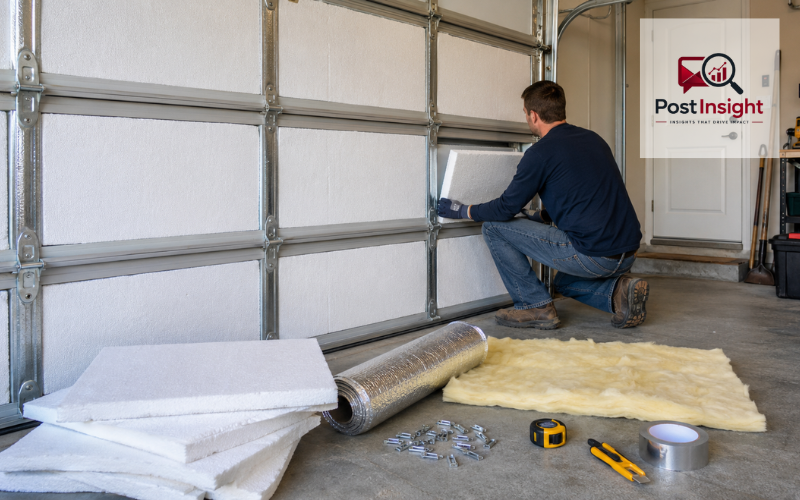
Garage door insulation is the process of adding insulation material to the inside of your garage door so it can better control heat, cold, and noise. Most standard garage doors are made from thin metal panels, which means outdoor temperatures can easily pass through them. In summer, the garage can become very hot. In winter, it can feel cold and uncomfortable. Insulation helps slow down that temperature transfer.
This matters more than many homeowners realize. A garage is often connected to the main house, and temperature changes inside the garage can affect nearby rooms, floors above the garage, and even your energy bills. If your garage shares a wall with your living room, kitchen, laundry area, or bedroom, an uninsulated door can make those spaces harder to keep comfortable.
Garage door insulation is especially useful for attached garages, home workshops, garage gyms, storage spaces, and homes with bedrooms above the garage. It can also help in very hot or very cold climates where outdoor temperatures put extra pressure on your heating and cooling system.
There are several ways to insulate a garage door. Some homeowners use a garage door insulation kit, while others choose foam boards, fiberglass panels, reflective radiant barriers, or a do it yourself garage door insulation kit from a home improvement store. The best choice depends on your garage, your climate, your budget, and how you use the space.
| Garage Door Insulation Option | Best For | Main Benefit |
| Rigid Foam Boards | Most DIY projects | Good R-value, clean look, easy cutting |
| Fiberglass Batt Kits | Standard metal doors | Simple kit installation and noise reduction |
| Reflective Radiant Barrier | Hot, sunny garages | Reflects heat and adds little weight |
| Black Garage Door Insulation | Cleaner interior appearance | Neater finish for gyms, workshops, or dark garages |
| Factory-Insulated Door | High-performance needs | Best long-term comfort and professional finish |
Garage door insulation matters because the garage door is usually one of the largest openings in the home. If the door has no insulation, it can allow heat to move in and out quickly. This can make the garage feel uncomfortable and may also affect rooms connected to it.
In summer, insulation helps reduce the amount of heat that enters through the garage door. In winter, it helps slow down heat loss. This does not mean your garage will feel exactly like the inside of your home, but it can make the space more stable and easier to use.
Insulation can also reduce outside noise. If your home is near a busy road, school, construction area, or noisy neighborhood, garage door insulation may help soften sounds coming through the door. It can also make the garage door itself sound less hollow when opening and closing.
Another benefit is protection for items stored inside the garage. Tools, paint, appliances, sports gear, and seasonal storage items may last longer when they are not exposed to extreme temperature swings. For people who use the garage as a workshop, hobby area, or exercise space, insulation can make the room more usable throughout the year.
There are several common types of garage door insulation, and each one has its own strengths. The most popular options are rigid foam boards, fiberglass batt kits, reflective radiant barriers, and factory-insulated garage doors.
Rigid foam boards are one of the most common choices for DIY garage door insulation. These boards are usually made from EPS, XPS, or polyiso foam. They are lightweight, fairly easy to cut, and can fit neatly inside garage door panels. Rigid foam often gives a clean finished look and provides better insulation than very thin materials.
Fiberglass batt kits are another option. These kits usually include soft fiberglass insulation covered with a vinyl or plastic facing. The batts are flexible, so they can fit into metal door channels more easily. They are often used when homeowners want a simple garage door insulation kit that includes most of the needed pieces.
Reflective radiant barrier insulation is thinner and lighter than foam or fiberglass. It usually has a shiny foil surface that reflects radiant heat. This type can work well in hot, sunny climates, especially for garage doors that face strong afternoon sun. However, it may not provide the same cold-weather insulation as thicker foam or fiberglass.
Factory-insulated garage doors are the most complete option. These doors are built with insulation already inside the door panels. They usually look better, perform better, and last longer than many DIY options, but they cost more. A factory-insulated door can be a smart choice if your current garage door is old, damaged, or poorly sealed.
R-value is a simple way to describe how well insulation resists heat movement. A higher R-value means the material slows heat transfer better. For garage door insulation, R-value can help you compare materials, but it should not be the only factor you consider.
A detached, unheated garage may not need a very high R-value. If the garage is mainly used for parking or basic storage, a lower R-value option such as thin foam or a radiant barrier may be enough. For many detached garages, an R-value around R-0 to R-6 may be reasonable, depending on the climate and use.
An attached garage usually benefits from better insulation because it shares space with the home. For an attached but unheated garage, many homeowners look for insulation around R-7 to R-9. This can help reduce temperature changes near connected rooms and make the garage more comfortable.
If the garage is heated, used as a workshop, or has a bedroom above it, a higher R-value may be better. In these cases, garage door insulation around R-10 to R-13 can make more sense. For living spaces directly above the garage, a higher-performance insulated garage door may be worth considering.
Higher R-value is helpful, but it is not always necessary. If your garage has air leaks, gaps around the door, poor wall insulation, or an unsealed concrete floor, adding very high R-value insulation to the door alone may not solve the whole problem. The best result usually comes from matching the insulation level to the actual use of the garage.
A garage door insulation kit is a ready-made package designed to fit standard garage doors. It may include insulation panels or rolls, retainer clips, adhesive pins, tape, and instructions. These kits are useful because they save time and reduce guesswork.
A do it yourself garage door insulation kit is a good choice for homeowners who want a simple weekend project. Many kits are designed for common metal garage doors and can be installed with basic tools. They are often easier for beginners because the materials are already selected for garage door use.
DIY materials from a hardware store can sometimes cost less or give you more control. For example, you can buy rigid foam boards in bulk, cut them to fit each panel, and secure them yourself. This can work well if your garage door has unusual panel sizes or if you want a specific insulation thickness.
The main difference comes down to convenience, cost, appearance, and performance. Kits are easier and cleaner for many people, while bulk materials can be more flexible. If you compare garage door insulation Home Depot options or garage door insulation Lowe’s options, you will usually find both kits and separate materials. The best choice depends on how comfortable you are with measuring, cutting, and fitting the insulation properly.
Choosing the best garage door insulation starts with your climate. If you live in a hot area with strong sunlight, reflective insulation or foam with a finished surface may help reduce heat. If you live in a cold region, thicker foam board or a higher R-value garage door insulation kit may be a better choice.
You should also think about how you use the garage. A garage used only for parking may not need the same insulation as a garage gym, office, workshop, or laundry area. If you spend a lot of time in the garage, better insulation can make a noticeable difference.
Door style also matters. Some garage doors have deep metal channels that make it easy to slide foam boards or fiberglass panels into place. Others have shallow panels or unusual shapes, which can make installation more difficult. Before buying anything, measure each panel and check how much space you have.
Weight is another important factor. Insulation adds weight to the garage door. If the material is too heavy, the door springs and opener may struggle. You should also consider moisture resistance, fire safety, durability, and how the insulation will look once installed.
Many homeowners compare products from Home Depot, Lowe’s, and other local stores before choosing a kit. This is helpful, but do not choose based on price alone. Look at the R-value, material type, installation method, weight, and whether the product is suitable for garage door use.
When people search for garage door insulation black, they are usually looking for insulation with a black finished surface or backing. Some homeowners prefer black insulation because it can look cleaner and less noticeable inside the garage, especially if the garage has a darker interior or exposed metal panels.
Black-faced insulation can give the door a more finished appearance compared to plain foam board or shiny foil. It may also hide dust, marks, and small gaps better than white or silver materials. For garages used as gyms, workshops, or hobby spaces, appearance may matter more than it would in a basic storage garage.
However, dark surfaces can absorb more heat when exposed to strong sunlight. This is not always a major issue on the inside of a garage door, but it is something to consider in very hot climates. If your garage door faces direct sun for many hours, you may want to compare black insulation with reflective or light-colored options.
Black insulation can be a good choice when you want a neat finish and moderate insulation performance. Just make sure the material still has the right R-value, weight, and safety rating for your garage door.
Garage door insulation clips are small fasteners that help hold insulation panels or batts in place. They are especially common in garage door insulation kits. Without clips or retainers, insulation can shift, fall out, or interfere with the door as it moves.
Some clips use adhesive pads that stick to the metal door panel. The insulation is placed over the clip, and a cap locks it in place. Other systems use retainer strips, panel channels, or fitted edges to hold the insulation securely.
Clips are more important when using fiberglass batts or flexible insulation because these materials do not always stay in place on their own. Rigid foam boards may fit tightly inside the panel frame, but clips or tape can still add extra security.
Secure fastening matters because a garage door moves many times over its life. It opens, closes, bends at the hinges, and vibrates during operation. Loose insulation can become annoying, reduce performance, or create safety concerns if it blocks hinges, rollers, or tracks.
A good DIY garage door insulation project starts with cleaning. Dust, grease, and dirt can stop adhesive clips or tape from sticking properly. Wipe the inside of the garage door panels with a mild cleaner or degreaser, then let the surface dry.
Next, measure each panel separately. Do not assume all panels are exactly the same size. Many garage doors have small differences from one section to another. Measuring carefully helps prevent gaps and wasted material.
After measuring, cut the insulation to fit. A sharp utility knife and straight edge can help you make cleaner cuts. Foam boards should be cut slightly snug so they fit firmly into the panel spaces. Flexible materials should be trimmed so they sit flat without bunching.
Once the pieces are cut, install the insulation according to the material type. Foam boards may slide or snap into the panel frames. Fiberglass kits may use clips or retainer pins. Radiant barriers may need tape or fasteners. The goal is to keep the material flat, secure, and clear of all moving parts.
After installation, seal small gaps if needed. Foil tape or compatible sealant can help reduce air movement around the edges. Avoid using too much expanding foam near moving parts, hinges, or tracks.
Finally, test the garage door. Open and close it slowly and watch for rubbing, shifting, or unusual sounds. You should also test the door balance manually if you know how to do it safely. If the door feels much heavier or does not stay in position, call a garage door professional.
One common mistake is choosing insulation that is too heavy. Garage doors are balanced by springs, and even a small amount of added weight can affect how the door operates. Heavy insulation may strain the opener or make the door unsafe.
Another mistake is ignoring the door balance after installation. If the door becomes hard to lift or drops quickly, the springs may need adjustment. This is not a DIY job for most homeowners because garage door springs are under high tension and can be dangerous.
Leaving large air gaps is also a problem. Insulation works better when it fits well. Gaps around the edges allow air to move through, reducing the benefit. At the same time, the insulation should not be forced into places where it blocks hinges or rollers.
Some homeowners expect garage door insulation to fix every comfort issue. It can help, but it will not solve major drafts around the door frame, gaps under the weather seal, uninsulated walls, or poor ventilation. For the best result, garage door insulation should be part of a wider plan to improve the garage.
Garage door insulation Reddit discussions often include real homeowner experiences, which can be useful when comparing products. People commonly share what worked, what failed, and what they would do differently.
Many discussions focus on foam boards and garage door insulation kits. Homeowners often talk about ease of cutting, how well the panels stay in place, and whether the garage feels more comfortable afterward. Some users also mention that insulation helped reduce noise from outside or made the door feel more solid.
Common complaints include weak adhesive clips, poor fit, messy installation, or insulation that falls out over time. These comments are helpful because they show the importance of surface cleaning, careful measuring, and secure fastening.
However, Reddit advice should not replace product instructions or safety guidance. Every garage door is different. What works for one homeowner may not be safe or effective for another. It is smart to compare real user feedback with product details, R-value, weight, fire rating, and your own garage conditions.
The cost of garage door insulation depends on the door size, material type, R-value, and whether you use a kit or buy materials separately. A basic DIY project may be affordable, while premium insulation or a new insulated garage door can cost much more.
A garage door insulation kit may cost more than buying foam board alone, but it usually includes helpful parts like clips, tape, or instructions. DIY materials can save money, but they may require more planning and extra supplies.
Energy savings are possible, especially for attached garages or garages connected to conditioned living spaces. Insulation can reduce heat transfer and make nearby rooms easier to keep comfortable. However, savings vary from home to home.
The final result depends on climate, garage door condition, wall insulation, ceiling insulation, air leaks, and weatherstripping. If the door has large gaps around the sides or bottom, fixing those leaks may be just as important as adding insulation.
In some cases, replacing the full garage door may be more practical than adding insulation to an old one. If the door is damaged, rusty, poorly sealed, or already difficult to operate, a factory-insulated door may provide better long-term value.
DIY garage door insulation can be a simple project, but it is not always the right choice. You should call a professional if your garage door already feels heavy, uneven, noisy, or unbalanced.
You should also get help if the springs, cables, rollers, or opener seem strained. These parts are important for safe operation, and garage door spring adjustments can be dangerous without proper tools and training.
Professional help is also wise if there is living space directly above the garage. In that case, comfort and energy performance may depend on more than the door. The ceiling, walls, air sealing, and garage door itself may all need attention.
If you need a very high R-value, a factory-insulated garage door may be better than a DIY kit. Professionals can also help if the garage has moisture problems, damaged panels, or structural issues.
Garage door insulation can make your garage more comfortable, quieter, and better protected from outdoor temperature changes. The right choice depends on how you use your garage, your local climate, your budget, your door style, and the level of insulation you actually need.
Rigid foam boards are a strong choice for many DIY projects. Fiberglass kits can be convenient and easy to install. Reflective radiant barriers may help in hot, sunny areas. Factory-insulated doors offer the best finished solution when performance, appearance, and long-term value matter most.
Before installing anything, measure carefully, choose a suitable R-value, and make sure the material will not add too much weight. After installation, always test the garage door movement and balance. If the door feels unsafe or strained, contact a professional.
The best garage door insulation is not always the most expensive or the thickest option. It is the one that fits your garage, works safely with your door, and gives you the comfort and performance you need without creating new problems.
The best garage door insulation depends on your garage use and climate. Rigid foam boards are great for many DIY projects, while factory-insulated doors work best for higher comfort and performance.
Yes, a garage door insulation kit can be worth it if you want a simple DIY solution. Kits usually include panels, clips, and instructions, making installation easier for beginners.
For attached garages, R-7 to R-9 is often useful. Heated workshops or garages with rooms above may need R-10 to R-13 or higher for better comfort.
Yes, many homeowners can install garage door insulation as a weekend DIY project. The key steps are measuring correctly, securing the material well, and checking door balance afterward.
Garage door insulation can help reduce outside noise and make the door sound less hollow. Results depend on the insulation type, door condition, and how well gaps are sealed.
Disclaimer: This article is for general home improvement information only. Garage doors, springs, cables, and openers can be dangerous if handled incorrectly. For heavy doors, balance issues, or spring adjustments, contact a qualified garage door professional.


