 11
11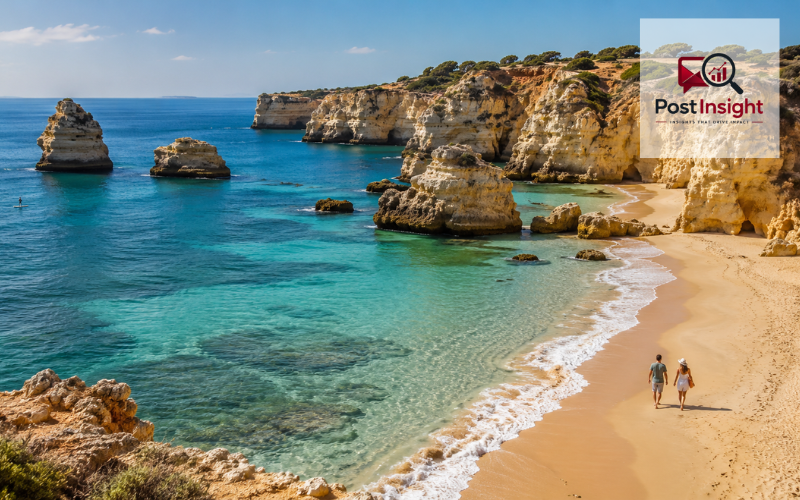
Portugal is one of Europe’s best beach destinations because its coastline offers many different kinds of seaside experiences in one country. Some beaches are calm and easy for swimming, while others are wild, windy, and perfect for surfing. Some are ideal for families with children, while others feel more romantic, remote, or scenic for couples and photographers.
The best beaches in Portugal are spread across several regions. The Algarve in the south is famous for golden cliffs, sea caves, clear water, and small coves. The Lisbon Coast has wide Atlantic beaches that are easy to visit on a day trip from the capital. Central Portugal includes famous surf spots such as Nazaré, while Porto and Northern Portugal offer cooler, more rugged beaches with long promenades, seafood restaurants, and strong waves. Portugal’s official tourism site describes the country’s coastline as stretching for more than 850 km, with many Atlantic beaches that vary widely in style and setting.
The “best” beach depends on what you want from your trip. A family may prefer safe access, lifeguards, restaurants, and space. A couple may want sunset views and quiet coves. Swimmers may look for sheltered water, while surfers may prefer stronger waves. This guide brings together the best beaches in Portugal by region and travel style, so you can choose the right beach for your own trip.
| Beach | Region | Best For | Good to Know |
| Praia da Marinha | Algarve | Cliffs, views, snorkeling | Best early morning for fewer crowds |
| Praia do Camilo | Algarve | Clear water, photos, couples | Reached by a long wooden staircase |
| Praia de Benagil | Algarve | Cave tours, kayaking | Cave access rules can change |
| Praia da Rocha | Algarve | Families, facilities, nightlife | Large beach with restaurants nearby |
| Praia da Falésia | Algarve | Long walks, scenery | Great for sunset and relaxed walks |
| Praia do Guincho | Near Lisbon | Surfing, windsurfing, wild views | Often windy and rough for swimming |
| Praia de Carcavelos | Near Lisbon | Day trips, beginners’ surf | Easy to reach from Lisbon |
| Praia da Ursa | Near Sintra | Hiking, photography, couples | Steep trail, not ideal for kids |
| Praia do Norte | Nazaré | Big-wave watching | Not suitable for casual swimming |
| Praia de Matosinhos | Near Porto | Surf lessons, seafood, city access | Cooler water and strong Atlantic feel |
For a quick overview, these are some of the top beaches in Portugal to consider. Praia da Marinha in the Algarve is best for dramatic cliffs, clear water, and classic coastal views. Praia do Camilo in Lagos is best for a small cove, turquoise water, and photography. Praia de Benagil is best for cave tours and boat or kayak experiences. Praia da Rocha in Portimão is best for space, facilities, and a lively beach atmosphere.
Praia da Falésia is best for long walks under red and golden cliffs. Praia do Guincho near Cascais is best for surf, wind, and wild Atlantic scenery. Praia da Ursa near Cabo da Roca is best for hikers and photographers. Praia de Carcavelos is best for an easy beach day from Lisbon. Praia do Norte in Nazaré is best for watching huge winter waves, not for casual swimming. Near Porto, Praia de Matosinhos is best for surfing lessons, seafood, and quick access from the city.
The Algarve is often the first region people think of when searching for the best beaches in Portugal. It has the famous mix of golden sand, limestone cliffs, sea arches, caves, and clear blue-green water. VisitPortugal describes Algarve beaches as ranging from long sandy stretches protected by golden cliffs to small bays tucked between rocks, which explains why the region works for many different travel styles.
Praia da Marinha is the classic choice for dramatic scenery. Praia do Camilo is smaller and more intimate, reached by a wooden staircase near Lagos. Praia de Benagil is the main starting point for visiting the famous Benagil Cave. Praia da Rocha is better for travelers who want a bigger beach with restaurants, sunbeds, hotels, and nightlife nearby. Praia da Falésia is one of the best Algarve beaches for long walks because the sandy stretch continues for several kilometers below colorful cliffs; VisitPortugal notes that the cliff backdrop changes in red, copper, and golden tones, especially near sunset.
The Algarve is also one of the better regions for swimming in Portugal, especially in sheltered coves. Still, visitors should remember that the sea is Atlantic, not Mediterranean, so water can feel cool and conditions can change. In summer, beaches are busier, parking fills quickly, and boat tours should be booked ahead. For a calmer experience, early morning or late afternoon is usually better than midday.
Praia da Marinha is one of the most photographed beaches in Portugal, and for good reason. It has tall limestone cliffs, clear water, natural rock formations, and viewpoint trails that give visitors some of the Algarve’s most memorable coastal scenery. VisitPortugal says the beach is backed by a high cliff shaped by erosion and has been ranked among the top 100 beaches worldwide because of its beauty and preserved natural setting.
This beach is especially good for travelers who want views, photos, snorkeling, and a peaceful cove feeling. The water can be clear on calm days, and the rocks create a dramatic frame around the sand. Above the beach, cliffside paths offer excellent viewpoints, but it is important to stay away from unstable cliff edges and follow marked paths.
Parking is available above the beach, but spaces can fill early in summer. The walk down involves steps, so it may not be ideal for visitors with limited mobility. The best time to visit is usually early morning, when the beach is quieter and the light is soft, or late afternoon, when the cliffs glow warmly. In July and August, expect crowds, especially during the middle of the day.
Praia de Benagil is different from a normal beach stop because most people visit it for the nearby Benagil Sea Cave, also known as Algar de Benagil. Benagil Beach itself is a small fishing village beach, while the famous cave is reached from the water. Inside the cave, sunlight enters through a large natural opening in the roof, creating one of the Algarve’s most famous views.
It is very important to understand the current access rules. Portugal’s National Maritime Authority introduced navigation rules for the Benagil cave area, including bans on landing on the sand inside the cave, bans on swimming access to the caves, restrictions on unguided kayak rental in the cave area, limits on boats and kayaks inside, and time limits for visits. The Portimão Captaincy page also lists the 2024 navigation order and a 2025 amendment for the Benagil cave area, so travelers should check current conditions before booking.
For most visitors, the safest and easiest option is a licensed boat, kayak, or paddleboard tour with a local operator. The cave is best treated as an experience, not a beach day where you can sit on the sand. Sea conditions, rules, and access can change, so never swim to the cave or enter with an unapproved rental.
The Lisbon Coast is perfect for travelers who want beach time without leaving the capital region for several days. From Lisbon, you can reach beaches around Cascais, Sintra, Costa da Caparica, and Setúbal. These beaches are more exposed to the Atlantic than many Algarve coves, so they often have stronger waves, cooler water, and more wind.
Praia de Carcavelos is one of the easiest beaches near Lisbon for a relaxed day out. It has a wide sandy shore, surf schools, beach bars, and good transport links. Praia do Guincho near Cascais is better for wild scenery and surf. Praia da Adraga, near Sintra, feels more dramatic and natural, with cliffs and rock formations. Costa da Caparica is a long stretch south of Lisbon with many beach bars, surf areas, and family-friendly sections. VisitPortugal notes that Costa da Caparica’s many beaches are used for sports such as surfing and beach volleyball and have plenty of beach bars and support infrastructure.
For casual visitors, the best Lisbon-area beach depends on transport and weather. Carcavelos is easy and convenient. Guincho is beautiful but windy. Costa da Caparica gives more space, especially if you move away from the busiest central sections.
Praia do Guincho is one of the most striking beaches near Lisbon. It sits inside the Sintra-Cascais Natural Park, with white sand dunes and the Serra de Sintra hills in the background. VisitPortugal highlights this natural setting as one of the reasons Guincho has such strong scenic appeal.
This beach is best for surfers, windsurfers, kitesurfers, walkers, and travelers who enjoy wild coastal views. The beach is wide, open, and exposed, which gives it a raw Atlantic feeling. On windy days, the sand can blow strongly, and the waves can be powerful.
Because of those conditions, Guincho is not always the best choice for small children or visitors who mainly want calm swimming. It is more of a scenery, surf, and fresh-air beach than a sheltered sunbathing cove. If you visit from Lisbon or Cascais, bring a light layer, check the wind forecast, and follow lifeguard instructions carefully.
Praia da Ursa is one of the most dramatic beaches in Portugal, located close to Cabo da Roca, the westernmost point of mainland Europe. It is known for its huge sea stacks, wild cliffs, and remote feeling. Unlike easy city beaches, Praia da Ursa requires effort. The path down is steep, rocky, and not suitable for everyone.
This beach is best for adventurous travelers, hikers, landscape photographers, and couples who want a more natural setting. It is not the right choice for families with small children, visitors carrying lots of beach gear, or anyone who needs easy access. The climb back up can be tiring, especially in heat.
Praia da Ursa is also not a casual swimming beach. Waves and currents can be strong, and services are limited. The reward is the scenery: tall rock formations, open Atlantic views, and a peaceful feeling that is hard to find at busier beaches. Good shoes, water, and daylight are essential.
The best beaches in Portugal for families are usually the ones with easy access, lifeguards in season, toilets, restaurants, parking or public transport, and enough space for children to play. Calm water is helpful, but families should still check flags and local warnings every time they arrive.
Praia da Rocha is a strong family choice because it is large, easy to access, and close to many facilities. VisitPortugal describes it as a beach near the mouth of the Arade River with a huge sandy area extending for around 3 km, which gives families plenty of room. Praia da Falésia also works well for families who like long walks and open sand. Near Lisbon, Praia de Carcavelos is convenient, while parts of Costa da Caparica offer family-friendly space and beach services.
In 2026, Portugal’s official bathing-water platform listed 601 lifeguarded beaches, 396 Blue Flag beaches, and 248 accessible beaches, which shows how many beaches offer monitored or supported beach experiences during the bathing season. Even so, lifeguard coverage can vary by beach and date, so parents should look for the lifeguard station, swim between marked areas, and follow beach flags.
The best beaches in Portugal for swimming are usually sheltered coves or beaches where waves are more manageable. In the Algarve, Praia do Camilo, Praia da Dona Ana, Praia da Marinha, and Praia da Senhora da Rocha are popular choices when conditions are calm. VisitPortugal describes Praia da Senhora da Rocha as a small beach between high cliffs with clear, calm water that is suitable for swimming and boat trips along the coast.
That said, swimming conditions can change quickly. A beach that looks calm one day may be rough the next. Atlantic water is often cooler than visitors expect, especially outside peak summer. Even in the Algarve, it is smart to check flags before entering the sea.
Portugal’s beach flag system is important for safety. Green usually means swimming is allowed, yellow means extra caution or limited water activity, and red means no swimming. If lifeguards give instructions, follow them. For the safest swimming experience, choose lifeguarded beaches in the official season, avoid isolated coves in rough weather, and do not swim near cliffs, caves, or boat traffic.
Couples looking for beautiful scenery, sunset walks, and memorable coastal views have many options. Praia da Marinha is a classic romantic choice because of its cliffs and clear water. Praia da Falésia is ideal for long walks under colorful cliffs, especially near sunset. Praia da Adraga near Sintra has a wilder, moodier atmosphere, while Praia da Ursa offers a more adventurous setting for couples who enjoy hiking.
For a softer and more relaxed beach trip, Comporta and the Tróia Peninsula offer long sandy beaches, quiet dunes, and a slower pace. These areas are especially good for couples who want space rather than busy resort energy.
The best tip for couples is to avoid the busiest hours. Early morning feels peaceful and is great for photos. Late afternoon is better for golden light and cooler temperatures. In high summer, even romantic beaches can feel crowded, so choosing shoulder season months such as May, June, September, or early October can make the experience more enjoyable.
Northern Portugal has a different beach personality from the Algarve. The water is usually cooler, the waves are stronger, and the scenery often feels more rugged. For travelers staying in Porto, the beaches nearby are still very worthwhile, especially for walks, surfing, seafood, and sunset views.
Praia de Matosinhos is one of the easiest beaches to reach from Porto. It has a large sandy area and is well known for surfing, bodyboarding, and kitesurfing, according to VisitPortugal. It is also close to many seafood restaurants, which makes it a practical beach-and-lunch option.
Praia do Senhor da Pedra in Vila Nova de Gaia is famous for its small chapel standing on rocks beside the beach. VisitPortugal notes that it is popular and has good support infrastructure. Praia de Miramar has a wide sandy setting with rock formations and full services, while Praia da Aguda is another attractive option south of Porto with a more local feel. These northern beaches are better for walking, surfing, and scenery than warm-water swimming.
A best beaches in Portugal map is useful because the country’s coastline is long, and the top beaches are not all close together. Instead of trying to see every famous beach in one trip, it is better to group them by region.
For an Algarve route, base yourself around Lagos, Carvoeiro, or Albufeira and visit Praia da Marinha, Praia do Camilo, Praia de Benagil, Praia da Rocha, and Praia da Falésia. For a Lisbon day-trip route, choose between Cascais and Carcavelos for convenience, Sintra beaches for rugged scenery, or Costa da Caparica for long sandy stretches. For a Porto route, focus on Matosinhos, Miramar, Senhor da Pedra, and Aguda. For Central Portugal, Nazaré is worth visiting in winter for big-wave watching, while calmer nearby towns may suit regular beach days better.
Driving gives the most flexibility, especially in the Algarve and around remote beaches. Public transport works better near Lisbon and Porto. Parking can be difficult in summer, so plan early starts and avoid trying to visit too many beaches in one day.
The best time to visit Portugal’s beaches depends on your goal. Summer, especially July and August, is best for warm weather, beach services, lifeguards, restaurants, boat tours, and a lively atmosphere. It is also the most crowded and expensive time.
Spring is excellent for coastal walks, photography, and quieter towns, although the sea may be too cool for long swims. Early autumn, especially September, is one of the best times for many travelers because the weather is still pleasant, the sea has had time to warm, and crowds are lighter than in August. October can still be beautiful in the Algarve, but conditions become less predictable.
Winter is not ideal for normal beach holidays, but it is the best season for wild Atlantic views and big-wave watching in places like Nazaré. Praia do Norte is famous for massive waves, but it is not a swimming beach for casual visitors. In any season, check weather, tides, beach flags, and local rules before entering the water.
The best beaches in Portugal are not all best for the same reason. If you want golden cliffs, clear coves, caves, and some of the country’s most famous beach views, the Algarve is the strongest choice. If you are staying in Lisbon and want easy day trips, Praia de Carcavelos, Praia do Guincho, Praia da Adraga, and Costa da Caparica offer plenty of variety. If you are visiting Porto, Matosinhos, Miramar, Senhor da Pedra, and Aguda give you a cooler but beautiful northern beach experience.
Families should look for lifeguards, easy access, facilities, and calmer conditions. Swimmers should choose sheltered beaches and always check flags. Couples may prefer scenic coves, sunset walks, and quieter shoulder-season visits. Surfers and wave watchers will find some of Europe’s most exciting Atlantic conditions around Guincho, Matosinhos, Peniche, Ericeira, and Nazaré.
Portugal’s coastline is beautiful because it is so varied. Whether you want a relaxed beach day, a dramatic cliff walk, a surf session, or a quiet sunset by the sea, there is a beach in Portugal that fits your trip.
Praia da Marinha, Praia do Camilo, Praia da Rocha, Praia de Carcavelos, and Praia da Falésia are great for first-time visitors because they offer beautiful scenery, access, facilities, and different beach experiences.
The Algarve is often considered the best beach region in Portugal for cliffs, caves, clear water, and swimming. Lisbon and Porto also have excellent beaches for surfing, day trips, and coastal walks.
Praia da Rocha, Praia da Falésia, Praia de Carcavelos, and selected sheltered Algarve coves are good for families because they offer space, restaurants, seasonal lifeguards, and easier access.
Yes, many beaches in Portugal are good for swimming, especially sheltered Algarve coves. However, Atlantic beaches can have cold water, strong waves, and changing conditions, so always check beach flags.
June to September is best for beach weather and swimming. May, June, September, and early October are ideal for fewer crowds, pleasant temperatures, and scenic coastal trips.
Disclaimer: This article is for general travel information only. Beach conditions, access rules, lifeguard coverage, parking, weather, tides, and tour availability can change at any time. Always check local signs, official beach flags, and current safety guidance before swimming, hiking, kayaking, or visiting sea caves.