 11
11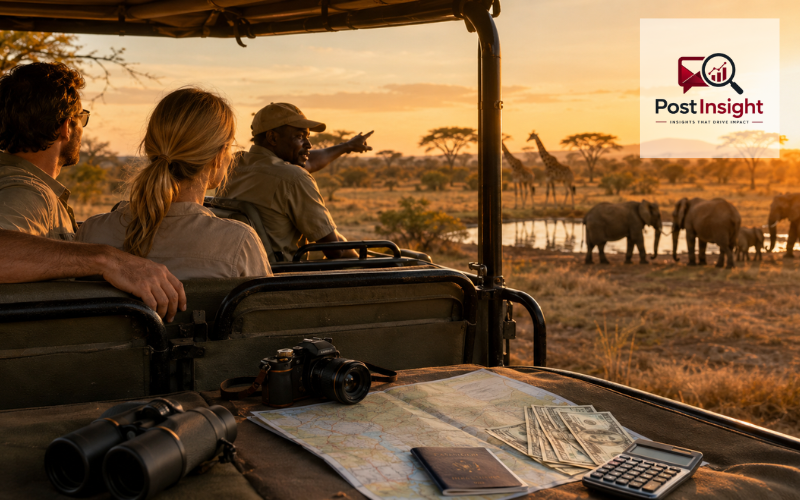
African safari cost usually means the total amount you pay for the core safari experience: accommodation, meals, guided game drives, park or conservation fees, local transfers, and sometimes drinks or laundry, depending on the package. It does not always include international flights, visas, travel insurance, vaccines, tips, or special activities such as gorilla trekking and hot air balloon rides.
In 2026, a realistic African safari cost can start around $150 to $350 per person per day for a basic budget safari, move into the $350 to $750 per person per day range for a comfortable mid-range trip, and reach $750 to $1,500+ per person per day for luxury lodges, private reserves, fly-in transfers, and premium guiding. Some ultra-luxury safaris can go even higher, especially in places like Botswana, Rwanda, or private concessions.
The price changes because a safari is not one fixed product. A simple camping safari in South Africa will not cost the same as a luxury Serengeti or Okavango Delta fly-in safari. Your final budget depends on the country, season, lodge quality, number of days, group size, transport style, and the wildlife experience you want.
| Safari Type | Average Cost Per Person/Day | 7-Day Estimate Per Person | Best For |
| Budget Safari | $150–$350 | $1,500–$2,500 | Group tours, camping, simple lodges |
| Mid-Range Safari | $350–$750 | $2,500–$5,500 | Comfort, good lodges, smaller groups |
| Luxury Safari | $750–$1,500+ | $6,000–$12,500+ | Private guides, premium lodges, fly-in trips |
| Family Safari | Varies by age and lodge | $6,000–$22,000+ for 4 | Families needing flexibility and comfort |
The average African safari cost per person is usually calculated per day or per night because safari lodges and tour operators price trips based on accommodation, meals, vehicle use, guides, and park access. For most travelers, a full safari package falls somewhere between $1,500 and $10,000+ per person, depending on trip length and comfort level.
A budget safari may cost around $150 to $350 per person per day. This usually means shared vehicles, group tours, simple camps, basic lodges, or accommodation outside the main park area. It can still be a rewarding experience, but travelers should expect fewer comforts and less privacy.
A mid-range safari often costs around $350 to $750 per person per day. This level gives travelers better lodges or tented camps, reliable guiding, smaller groups, and more comfortable locations. Luxury safaris usually begin around $750 per person per day and can pass $1,500 per person per day when private guides, exclusive reserves, gourmet meals, and light aircraft transfers are included.
African safari cost per day is one of the easiest ways to understand your total budget. A short safari may look affordable at first, but the daily rate matters because almost everything is bundled into that number. Your day rate usually covers your room, meals, scheduled game drives, guide, safari vehicle, and park-related fees.
What is not always included is just as important. International flights, visas, personal shopping, premium drinks, travel insurance, tips, and special permits are often separate. In high-fee destinations such as Kenya’s Maasai Mara, Tanzania’s Serengeti, or Rwanda’s Volcanoes National Park, conservation fees can make up a large part of the daily price.
Daily costs also rise when you choose lodges inside or near prime wildlife areas. Staying closer to the action usually saves driving time and improves the safari experience, but it costs more than staying outside the park and entering each day.
An all-inclusive African safari cost is often easier to understand because most daily expenses are included before you travel. A typical all-inclusive safari package may cover accommodation, meals, game drives, park fees, local transfers, guide services, and sometimes soft drinks, house drinks, or laundry. This helps travelers avoid surprise costs during the trip.
However, “all-inclusive” does not always mean everything. International airfare, visas, travel insurance, tips, premium alcohol, spa treatments, private activities, and special permits may still be extra. Before booking, it is important to ask what is included and what is excluded.
An all-inclusive safari is worth considering if you want a smoother, easier trip with fewer daily decisions. It is especially useful for first-time safari travelers, honeymooners, families, and visitors going to remote lodges where food, transport, and activities are handled by one operator.
African safari cost from USA is usually higher than the safari package alone because international flights add a major expense. For many U.S. travelers, round-trip airfare to Africa can range from about $800 to $1,800+, depending on the departure city, destination, airline, and season. Current Kenya Airways fare examples for U.S. to Tanzania routes show economy fares starting around $1,029 to $1,229 on some New York to Tanzania routes, though fares change quickly.
After arrival in Africa, the safari package cost depends on where you go. A 7-day mid-range safari might cost $2,500 to $5,500 per person before flights, while a luxury version could move above $6,000 to $12,000+ per person. Travelers from the USA should also budget for visas, vaccines or travel clinic visits, travel insurance, tips, and possible overnight stays before or after the safari.
Your U.S. departure city matters. Major airports such as New York, Washington, Atlanta, Chicago, Los Angeles, and Dallas often offer better connections than smaller cities. Peak travel months, especially June to October and December holidays, can raise both flight and safari costs.
A 1-week African safari cost is usually the most common budget question because seven days gives enough time for a meaningful wildlife experience without making the trip too expensive. For budget travelers, a 7-day safari may cost around $1,500 to $2,500 per person, especially with group tours, simple lodges, or camping.
A mid-range 1-week safari usually falls between $2,500 and $5,500 per person. This is often the best balance for many travelers because it allows comfortable lodging, good guiding, and enough time in the parks without reaching luxury pricing. A luxury 7-day safari can cost $6,000 to $12,500+ per person, especially if it includes private reserves, premium camps, or internal flights.
A one-week safari is best for travelers who want a focused experience in one country or one main safari region. It works well for Kenya, Tanzania, South Africa, Namibia, or Botswana if the route is planned carefully and not overloaded with too many stops.
A 10 day African safari cost usually gives better value than a very short trip because you spread arrival transfers and fixed travel costs across more days. A budget 10-day safari may cost around $2,500 to $4,000 per person, while a mid-range version often falls between $4,000 and $7,500 per person. Luxury 10-day safaris can move from $8,000 to $15,000+ per person, depending on the destination and lodge level.
Adding more parks or countries increases the price because each move requires time, fuel, vehicles, guides, or flights. A Kenya-only safari may cost less than a Kenya-and-Tanzania itinerary because border crossings, extra park fees, and longer transfers can increase the total.
Road transfers are usually cheaper than fly-in safaris. Fly-in transfers save time and reduce long drives, but they can add hundreds or even thousands of dollars to the trip. For the best value, choose two or three strong wildlife areas instead of trying to visit every famous park in one journey.
A 2 week African safari cost can vary widely because fourteen days gives travelers room to combine several parks, countries, or experiences. A budget 14-day safari may cost around $3,000 to $5,000 per person, especially with camping or group travel. A mid-range two-week safari can cost $5,000 to $8,000+ per person, while luxury trips often range from $8,000 to $15,000+ per person.
Multi-country safaris are popular for two-week trips. For example, travelers may combine Kenya and Tanzania, South Africa and Botswana, or Uganda and Rwanda. These combinations can be excellent, but they also add transfer costs, extra flights, visas, and more complex planning.
A two-week safari works best for travelers who want a slower pace. Instead of rushing from park to park, it is better to spend two or three nights in each key area. This improves wildlife viewing and often creates a more satisfying experience than constantly moving.
African safari cost for family of 4 can become expensive quickly because most prices are charged per person. A budget family safari may cost around $6,000 to $10,000 total for one week before international flights. A mid-range family safari can easily reach $10,000 to $22,000 total, while a luxury family safari may cost $24,000 to $50,000+, depending on lodges, flights, and the number of private services included.
Families should look closely at child rates. Some lodges offer reduced rates for children, family rooms, or children-stay-free deals in certain seasons. Others may have minimum age rules for game drives, walking safaris, or private reserves.
A private vehicle often makes sense for families. It costs more than joining a shared vehicle, but it gives more flexibility with children, breaks, meal times, and daily schedules. Families can reduce costs by choosing malaria-free areas in South Africa, traveling in shoulder season, or staying longer in fewer locations.
The biggest factor affecting African safari prices is the destination. South Africa and Namibia often offer better value because they have strong road networks, self-drive options, and a wide range of lodges. Kenya and Tanzania can cost more because park fees, vehicle logistics, and famous wildlife areas such as the Maasai Mara and Serengeti are in high demand.
Season also matters. Peak dry season usually brings the best wildlife visibility but also the highest prices. In many safari regions, July to October is expensive because animals gather around water and demand is strong. Shoulder or green season can reduce costs and still offer excellent sightings, especially for travelers who are flexible.
Accommodation style has a major impact too. A simple lodge outside a park is very different from a luxury tented camp inside a private concession. Group safaris reduce vehicle and guide costs, while private safaris cost more but offer better flexibility. Road travel saves money, while internal flights save time.
South Africa is often one of the most affordable safari choices, especially around Kruger National Park and nearby private reserves. Budget and self-drive options are easier to find, while luxury private lodges can still be expensive. African Budget Safaris lists South Africa at around $150 to $250 per person per day for budget trips, $250 to $400 for mid-range, and $400 to $1,000+ for luxury.
Kenya safari cost varies by park and season. The Maasai Mara is one of the most famous safari areas, and 2026 non-resident adult park fees are listed at $100 per day from January through June and $200 per day from July onward, which can noticeably increase total trip cost.
Tanzania safari cost is often higher in northern parks such as Serengeti, Ngorongoro, Tarangire, and Lake Manyara because of conservation fees, longer distances, and strong international demand. Botswana is usually more expensive, especially in the Okavango Delta, where low-density tourism and remote fly-in lodges raise prices. Namibia can be better value for independent travelers because self-drive safaris are common.
Rwanda and Uganda are special cases because gorilla trekking permits add a large fixed cost. Rwanda’s official mountain gorilla tracking permit is $1,500 for foreign visitors, while Uganda gorilla trekking permits are commonly listed around $800 for foreign non-residents in 2026.
Extra expenses can change your real African safari cost more than many travelers expect. International flights are usually the biggest separate cost. Visas, travel insurance, medical consultations, vaccines, and malaria prevention may also be needed depending on your destination and personal health situation.
Tipping is another expense to plan for. Many travelers budget around $10 to $20 per day for guides and a smaller daily amount for lodge staff, although tipping culture varies by country and lodge. Optional activities can also add a lot. A hot air balloon safari may cost several hundred dollars per person, while gorilla trekking permits can add $800 to $1,500 per person before accommodation and transfers.
Personal expenses such as souvenirs, premium drinks, laundry, spa treatments, and airport hotels should also be considered. A good safari budget should include a small buffer so the trip feels relaxed instead of financially stressful.
The best way to plan an African safari budget is to decide what matters most. Some travelers care most about seeing the Big Five. Others want the Great Migration, gorilla trekking, luxury lodges, photography, or a family-friendly route. Once the main goal is clear, it becomes easier to choose the right country and travel style.
Choosing the right season can save a lot of money. Shoulder season often gives better rates than peak dry season, while still offering strong wildlife viewing. Traveling with a small group can also reduce per-person costs because the guide and vehicle are shared.
Avoid hidden costs by asking direct questions before booking. Ask whether park fees, airport transfers, drinks, laundry, internal flights, tips, and optional activities are included. It is also better to book the right number of days than to choose the cheapest possible trip. A rushed safari may cost less, but it can feel tiring and less rewarding.
African safari cost depends on where you go, how long you stay, how comfortable you want to be, and how much privacy or flexibility you need. A budget safari can start from around $150 to $350 per person per day, while mid-range safaris often sit around $350 to $750 per person per day. Luxury safaris usually begin around $750 per person per day and can rise far beyond that in private reserves and remote fly-in camps.
For most travelers, the smartest choice is not always the cheapest or the most expensive safari. The best value comes from matching your budget with the right destination, season, lodge style, and trip length. A well-planned 7 to 10 day safari in the right place can feel more rewarding than a rushed luxury trip with too many stops.
Before you book, compare what is included, check current park and permit fees, and leave room in your budget for flights, tips, insurance, and special activities. With careful planning, an African safari can be expensive but still feel worth every dollar because the experience is unlike any other trip.
An African safari usually costs around $150 to $1,500+ per person per day. Budget trips are cheaper, while luxury safaris with private guides and premium lodges cost much more.
A 1-week African safari may cost $1,500 to $2,500 for budget travel, $2,500 to $5,500 for mid-range, and $6,000 to $12,500+ for luxury trips.
Most all-inclusive safaris include lodging, meals, guided game drives, park fees, and local transfers. Flights, visas, tips, insurance, premium drinks, and special permits may still cost extra.
Yes, South Africa and Namibia are often more budget-friendly, especially for self-drive or road-based safaris. Botswana, Tanzania, Rwanda, and private reserves usually cost more.
A family of 4 may spend around $6,000 to $22,000+ for a 1-week safari, depending on the destination, lodge type, child rates, season, and whether they use a private vehicle.
Disclaimer: The prices in this article are general estimates and may change based on season, destination, lodge availability, exchange rates, park fees, and travel provider policies. Always confirm current prices, inclusions, and extra costs before booking any safari package.