
 11
11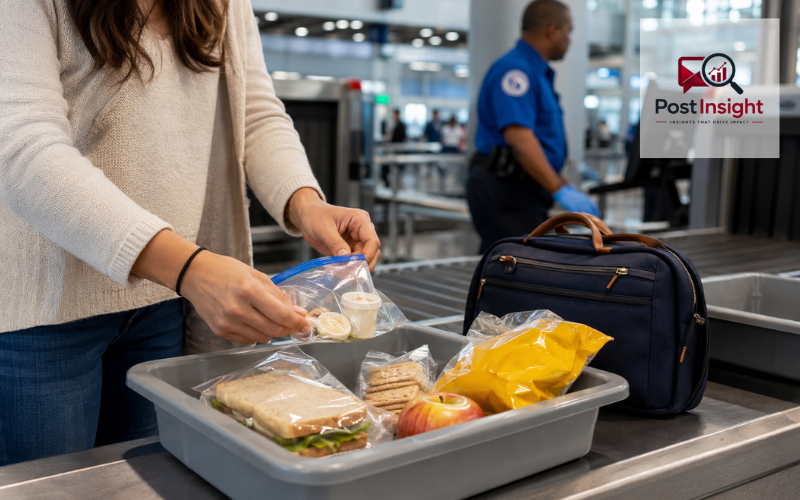
Can you bring food through TSA? In most cases, yes. Travelers are allowed to bring many types of food through airport security, especially if the food is solid. A sandwich, a bag of chips, cookies, crackers, fruit, pizza, and many homemade meals can usually pass through a TSA checkpoint without a problem.
The main rule is simple: solid food is usually allowed, but liquid-like food is restricted in carry-on bags. If a food can be poured, spread, squeezed, scooped, or smeared, TSA may treat it like a liquid, gel, cream, paste, or spread. That means it must follow the 3-1-1 liquids rule if you want to bring it in your carry-on.
This guide explains what foods you can bring through TSA, what foods need to be packed carefully, and which items should go in checked baggage instead. It also covers homemade food, cooked meals, fast food, baby food, frozen food, personal items, and international flights, so you can pack with more confidence before heading to the airport.
| Food Type | Carry-On Allowed? | Important TSA Rule |
| Sandwiches, chips, cookies, crackers | Yes | Solid foods are usually allowed. |
| Fast food like burgers, fries, pizza | Yes | Drinks and large sauces are restricted. |
| Cooked food like rice, pasta, chicken | Yes | Avoid too much sauce or liquid. |
| Peanut butter, hummus, yogurt, honey | Limited | Must be 3.4 oz / 100 ml or less in carry-on. |
| Baby food, formula, breast milk | Yes | Allowed in reasonable amounts; declare for screening. |
| Frozen food, meat, seafood | Yes | Ice packs must be fully frozen at screening. |
| Fresh fruit, meat, dairy on international flights | Maybe | TSA may allow it, but customs may restrict it. |
The TSA food rules are easier to understand when you separate food into two groups: solid foods and liquid-like foods. Solid foods are usually allowed in both carry-on bags and checked bags. Liquid-like foods are more limited in carry-on bags because they fall under the same rule as other liquids, gels, creams, and pastes.
So, can you bring food through TSA if it is packed in your carry-on? Usually yes, as long as it is not a liquid or gel over the allowed size. A small container of sauce, dip, jam, peanut butter, or yogurt may be allowed if it is 3.4 ounces or 100 milliliters or less and fits inside your quart-sized liquids bag. A larger container should normally go in checked luggage.
It is also important to remember that TSA officers make the final decision at the checkpoint. Even if an item is generally allowed, an officer may inspect it more closely or decide it cannot pass if it causes a security concern. For the smoothest experience, keep food easy to see, sealed, and simple to remove from your bag if needed.
Most solid foods are allowed through TSA checkpoints. This includes common travel snacks and meals such as sandwiches, chips, crackers, cookies, granola bars, candy, pizza, nuts, whole fruits, bread, pastries, dry cereal, and solid cheese. These foods can usually go in your carry-on bag, checked bag, or personal item.
If you are wondering, “can I bring a sandwich through TSA?” the answer is usually yes. A normal sandwich is considered solid food. It can be packed in a wrapper, container, or lunch bag. The same goes for simple travel snacks. If you are asking, “can you bring chips through TSA?” yes, a sealed or opened bag of chips is generally fine.
Many travelers also ask, “can I bring fast food through TSA?” Solid fast food is usually allowed too. Burgers, fries, nuggets, pizza slices, tacos, and breakfast sandwiches can usually pass through security. The main thing to watch is any drink, soup, sauce cup, or dip that comes with the meal, because those items may fall under the liquids rule.
Some foods look harmless but are treated like liquids or gels by TSA. These include peanut butter, hummus, yogurt, honey, maple syrup, jelly, jam, gravy, soup, salad dressing, salsa, creamy cheese spreads, pudding, sauces, and dips. If the item is spreadable, pourable, creamy, or gel-like, it must follow the 3-1-1 rule in carry-on baggage.
The 3-1-1 rule means each container must be 3.4 ounces or 100 milliliters or less. All of your travel-size liquids, gels, creams, pastes, and similar items must fit into one quart-sized bag. If you have a large jar of peanut butter, a full bottle of honey, a big tub of hummus, or a container of soup, it should go in checked baggage instead.
A common mistake is thinking TSA looks only at how much food is left inside the container. In practice, the container size matters. A large jar that is half empty may still be considered too large for a carry-on. To avoid losing food at security, use small travel-size containers or pack larger liquid-like foods in your checked bag.
Homemade food is usually allowed through airport security if it is solid or mostly solid. You can often bring homemade sandwiches, wraps, baked goods, rice dishes, pasta, cooked vegetables, bread, muffins, cookies, and dry snacks. Homemade meals are a good option for travelers who want to save money or avoid airport food prices.
The key is to pack the food neatly. Use a sealed container, foil, plastic wrap, or a zip-top bag. Food that leaks, spills, or looks messy may slow down screening. If your homemade meal includes a lot of sauce, gravy, dressing, or soup, that liquid part may need to follow the 3-1-1 rule.
The question “can you take homemade food through airport security international” needs a careful answer. You may be able to take homemade food through TSA before boarding, but that does not mean you can bring it into another country. International customs rules are separate from TSA rules. Fresh fruits, vegetables, meats, dairy products, seeds, and unpackaged homemade foods may be restricted when you arrive at your destination.
Yes, you can usually bring cooked food through TSA if it is solid or mostly solid. Cooked chicken, rice, pasta, roasted vegetables, pizza, burgers, breakfast sandwiches, and similar meals are generally allowed in carry-on bags. If you are asking, “can I bring cooked food through TSA?” the answer is usually yes, but the texture of the food matters.
A container of cooked rice with grilled chicken is different from a bowl of soup or curry with a lot of liquid. Solid cooked foods are normally fine, while sauces, soups, gravies, and dips are restricted if they exceed the carry-on liquid limit. If your meal has sauce, try packing the sauce separately in a small container that follows the 3-1-1 rule.
Cooked food should also be packed with freshness in mind. TSA is focused on security, not food safety, so it is your responsibility to keep your meal safe to eat. Use an insulated bag if needed, and avoid packing foods that spoil quickly unless you can keep them cold properly.
Fast food is usually allowed through TSA when it is solid. Burgers, fries, chicken nuggets, tacos, pizza slices, breakfast sandwiches, burritos, and similar items can normally go through airport security. If you bought food before arriving at the airport, you can often bring it with you as long as it meets the basic food rules.
The problem usually comes with drinks and sauces. A soda, milkshake, soup, large sauce cup, or full container of dip will not pass through TSA in a carry-on unless it follows the liquids rule. Small sealed sauce packets are often easier to travel with than larger sauce cups, but TSA still has the final say.
Fast food can also create practical problems during travel. Strong smells, greasy wrappers, and loose packaging can make your bag messy. If you plan to bring fast food through TSA, place it in a secure bag or container and keep it easy to remove during screening.
You can usually bring food through TSA in a personal item, such as a backpack, purse, laptop bag, tote bag, or small under-seat bag. If you are searching for “can you bring food through TSA in personal item,” the answer is yes in most cases, as long as the food follows TSA rules.
A personal item is often the best place for snacks because it stays close to you during the flight. You can pack chips, sandwiches, crackers, candy, fruit, cookies, or other solid foods inside it. Just remember that airline size rules still apply. Your personal item must fit under the seat or meet your airline’s limits.
TSA may ask you to remove food from your bag during screening, especially if it blocks the X-ray image. Dense food items can sometimes make a bag harder to scan. To make things easier, keep snacks and meals in one clear area of your bag instead of spreading them between electronics, chargers, books, and other items.
Baby food, breast milk, formula, and toddler drinks are treated differently from regular liquids. These items are allowed in reasonable quantities and do not have to fit inside the standard quart-sized liquids bag. This is an important exception for parents and caregivers traveling with young children.
Baby food purées, formula, breast milk, toddler drinks, and related cooling items may need separate screening. It is best to tell the TSA officer that you have these items before screening begins. You may be asked to remove them from your carry-on so they can be checked separately.
You do not need to force baby food or milk into tiny travel containers. The goal is to bring a reasonable amount for your trip. However, packing these items neatly still helps. Use sealed bottles, pouches, or containers, and keep them together so screening is faster and less stressful.
Frozen food can go through TSA if it is packed correctly. Frozen meals, frozen meat, frozen seafood, and similar items may be allowed in carry-on bags. The important detail is how you keep them cold. Ice packs, freezer packs, and frozen gel packs must be completely frozen solid when they reach the security checkpoint.
If an ice pack is melted, slushy, or partly liquid, TSA may treat it like a liquid. That can cause problems if it is larger than the allowed carry-on size. To avoid this, freeze your ice packs fully before leaving for the airport and pack them in a way that keeps them solid for as long as possible.
Meat and seafood may also create odor and leakage concerns, so strong packaging is important. Use leak-proof containers, sealed bags, and an insulated cooler bag if needed. For international travel, check customs rules carefully, because meat and seafood may face stricter restrictions when entering another country.
You can often bring food through TSA on international flights, but there are two different sets of rules to think about. TSA rules apply when you pass through airport security in the United States. Customs and agriculture rules apply when you arrive in another country, or when you return to the United States from abroad.
This is why the answer to “can you bring food through TSA international” is not always simple. A sandwich, snack, or piece of fruit may pass through TSA before your flight, but it may not be allowed through customs at your destination. Fresh fruits, vegetables, meats, dairy products, seeds, plants, and unpackaged foods are the items travelers should check most carefully.
A smart rule is to eat fresh or restricted foods before landing, especially on international trips. Packaged snacks such as crackers, cookies, candy, and sealed dry goods are usually easier to travel with, but you should still check the destination country’s rules. When entering the United States, travelers must declare many agricultural food items, even if they think the food is harmless.
Many people search online or look up “can you bring food through TSA reddit” because they want real examples from other travelers. The safest approach is to focus on the official rule: solid foods are usually allowed, while liquid-like foods are limited in carry-on bags.
Here is a simple way to think about common items. Sandwiches, chips, crackers, cookies, candy, pizza, solid cheese, nuts, and most baked goods are usually allowed. Whole fruits are generally allowed through TSA for domestic travel, but they may be restricted by customs or agriculture rules on some routes. Peanut butter, hummus, yogurt, jam, honey, soup, gravy, salsa, sauces, and salad dressing must follow the liquids rule in carry-on bags.
If you are unsure about a food, ask yourself one question: can it spill, pour, spread, squeeze, or smear? If yes, treat it like a liquid or gel and keep it at 3.4 ounces or less for carry-on travel. If it is firm, dry, and solid, it is usually much easier to bring through TSA.
Good packing can make the TSA process smoother. Use clear containers, sealed bags, or leak-proof packaging whenever possible. This helps officers see what the item is and keeps your bag clean if something shifts during travel.
Keep food away from electronics and heavy clutter. If your snacks are buried under chargers, books, laptops, and clothing, your bag may be harder to scan. Placing food near the top of your carry-on or personal item makes it easier to remove if TSA asks.
It is also smart to avoid foods with strong smells, messy sauces, or loose liquids. Even if a food is allowed, it may not be pleasant to carry through a crowded airport or eat on a packed plane. Choose travel-friendly foods that are neat, filling, and easy to handle.
For longer flights, pack a mix of snacks and simple meals. A sandwich, crackers, fruit, nuts, cookies, or a solid protein snack can be easier than carrying soups, dips, or creamy foods. If you need sauces or spreads, use small containers that follow the liquids rule.
So, can you bring food through TSA? Yes, most solid foods are allowed through airport security. Sandwiches, chips, cookies, crackers, pizza, cooked meals, fast food, and many homemade foods can usually travel in your carry-on, checked bag, or personal item.
The main thing to remember is that liquid, creamy, spreadable, gel-like, and paste-like foods must follow the 3-1-1 rule in carry-on bags. Peanut butter, hummus, yogurt, honey, jam, soup, gravy, dips, and sauces can be stopped if they are packed in containers larger than 3.4 ounces.
Baby food, breast milk, formula, and toddler drinks have special exceptions, and frozen foods can be allowed when ice packs are fully frozen. For international travel, always check customs rules before packing fresh fruits, vegetables, meats, dairy, seeds, or homemade foods. With simple planning and neat packing, you can bring food through TSA more confidently and avoid surprises at the checkpoint.
Yes, you can bring most solid foods through TSA in a carry-on. Sandwiches, chips, cookies, crackers, pizza, and cooked meals are usually allowed if they are not too liquid or messy.
Yes, a sandwich is considered solid food and is usually allowed through TSA. Pack it neatly in a wrapper, zip bag, or container to make screening easier.
Yes, solid fast food like burgers, fries, nuggets, tacos, and pizza slices can usually go through TSA. Drinks, soups, and large sauce containers must follow liquid rules.
You can usually bring food through TSA before an international flight, but destination customs rules may be different. Fresh fruit, meat, dairy, seeds, and homemade foods may be restricted.
What Foods Are Not Allowed Through TSA In Large Amounts?
Large carry-on containers of peanut butter, hummus, yogurt, honey, soup, jam, gravy, sauces, and dips are restricted because TSA treats them as liquids, gels, or spreads.
Disclaimer: This article is for general travel information only. TSA rules and airport screening decisions may change, and TSA officers make the final decision at the checkpoint. For international trips, always check the customs rules of your destination before traveling with food.