
 11
11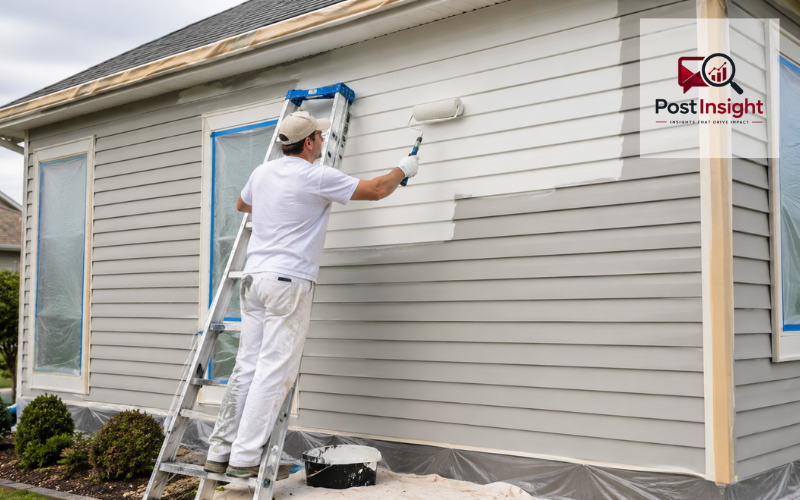
Can you paint vinyl siding? Yes, you can paint vinyl siding, and when it is done the right way, it can be a smart and affordable way to refresh your home’s exterior without paying for full siding replacement. Many homeowners choose painting because their siding is faded, outdated, or no longer matches the look they want for their home.
Painting vinyl siding is not the same as painting wood, brick, or fiber cement. Vinyl is a type of plastic, so it expands and contracts as outdoor temperatures change. That means the wrong paint, the wrong color, or poor surface preparation can lead to peeling, warping, buckling, or poor paint adhesion. In some cases, painting may also affect the manufacturer’s warranty, especially if the siding is still fairly new.
The good news is that vinyl siding can be painted successfully when you understand the basics. The most important things to consider are paint type, color choice, surface cleaning, tools, drying time, and weather conditions. If you choose a high-quality vinyl siding paint, prepare the surface properly, and avoid risky colors, your home can get a clean, fresh look without damaging the siding.
| Topic | Quick Answer |
| Can you paint vinyl siding? | Yes, if the siding is in good condition and properly prepared. |
| Best paint type | Use high-quality 100% acrylic exterior paint made for vinyl siding. |
| Safest colors | Choose colors similar to or lighter than the original siding color. |
| Dark colors | Use only vinyl-safe dark colors to reduce warping risk. |
| Primer needed? | Only if the siding is badly faded, weathered, porous, or chalky. |
| Best weather | Paint on a dry, mild, overcast day between 50°F and 90°F. |
| Main risk | Wrong paint or dark colors can cause peeling, warping, or buckling. |
You can paint vinyl siding safely if the siding is in good condition and you follow the right steps. Painting is usually a good option when the siding is faded, stained, or simply outdated, but still solid and firmly attached to the home. If the panels are not cracked, loose, brittle, or badly warped, paint can help improve curb appeal and extend the useful appearance of the siding.
The key to a safe result is using the correct paint and applying it under the right conditions. Vinyl needs paint that can move with the surface as it expands and contracts. It also needs a clean surface so the paint can bond properly. Dirt, mildew, chalky residue, and old grime can stop paint from sticking, which may cause peeling later.
Painting vinyl siding will not fix serious damage. If the siding is already warped, broken, or pulling away from the wall, those problems should be repaired before painting. A fresh coat of paint can improve appearance, but it cannot make damaged siding strong again.
Painting vinyl siding is not always a bad idea, but it can become one if it is done carelessly. The biggest mistakes are choosing a color that is too dark, skipping the cleaning process, using the wrong paint, or painting over siding that is already damaged. These mistakes can lead to peeling paint, uneven coverage, heat damage, or siding that looks worse than before.
Dark colors are one of the most common problems. Vinyl siding is made to handle a certain amount of heat based on its original color. When a much darker color is applied, the siding may absorb more heat from the sun. This can cause panels to warp or buckle, especially on walls that receive strong direct sunlight. Sherwin-Williams notes that painting vinyl darker than the original shade can cause warping and other defects unless a vinyl-safe color system is used.
It may also be a bad idea to paint very old or brittle siding. If the panels crack easily, feel weak, or are already distorted, replacement may be the better long-term choice. A balanced approach is best: painting can be useful and cost-effective, but only when the siding is stable enough to hold paint properly.
The best vinyl siding paint is usually a high-quality 100% acrylic exterior paint. Acrylic paint is commonly recommended because it has good flexibility, sticks well to exterior surfaces, and handles outdoor weather better than many lower-quality paints. Since vinyl expands and contracts with temperature changes, the paint must be able to move with the surface instead of becoming stiff and cracking.
Acrylic exterior paint also provides better resistance against rain, sunlight, and seasonal temperature changes. This matters because siding is exposed to weather every day. A cheap or low-quality paint may look fine at first, but it can fade, peel, or fail much sooner.
Interior paint should never be used on vinyl siding. It is not designed for outdoor weather, sunlight, moisture, or temperature swings. Regular exterior paint may also be a poor choice if it is not suitable for vinyl. When shopping, look for paint that clearly says it can be used on vinyl siding, or ask the paint store to confirm that the product is safe for vinyl surfaces.
Vinyl siding paint colors matter more than many homeowners realize. With wood or brick, color is mostly a design choice. With vinyl, color also affects heat absorption. A color that is too dark can make the siding hotter than it was designed to handle, which may lead to warping or buckling.
The safest choice is usually a color that is similar to or lighter than the original siding color. For example, if your home has light beige vinyl siding, choosing white, cream, light gray, or another soft neutral is generally safer than choosing dark navy, charcoal, or black.
Some major paint brands now offer vinyl-safe color collections. Sherwin-Williams has a VinylSafe color line with colors designed to resist warping or buckling when applied to sound vinyl siding, and Benjamin Moore offers a curated Colors for Vinyl palette for select exterior paint lines. These options can give homeowners more flexibility, but it is still important to follow the paint brand’s instructions and make sure the siding itself is in good condition.
Can you paint vinyl siding darker? In some cases, yes, but it must be done carefully. The main concern is heat. Darker colors absorb more sunlight, which can raise the temperature of the vinyl surface. If the siding gets too hot, the panels may expand too much and lose their shape.
This can cause warping, buckling, or panel distortion. Once vinyl has warped badly, paint will not fix it. The damaged panels usually need to be replaced. That is why many professionals recommend staying close to the original color depth unless you are using a paint color specifically made for vinyl.
Vinyl-safe paint technology can make darker colors possible in certain situations. These paints are designed to reflect more heat than normal dark colors. Still, darker colors should be chosen with care, especially on sunny sides of the home. If your siding is older, thin, or already slightly warped, going darker may not be worth the risk.
Can you paint vinyl siding black? Technically, it may be possible, but black is one of the riskiest colors for vinyl siding. Black absorbs a lot of heat, especially in direct sunlight. This extra heat can put stress on the vinyl and may cause the panels to warp, buckle, or pull out of shape.
If you want a black exterior, you should not use ordinary black exterior paint on vinyl siding. The paint should be specifically rated as vinyl-safe, and it should be approved for use on vinyl siding. Even then, it is wise to be cautious. Black may be safer on shaded areas than on walls that face strong afternoon sun, but every home is different.
Homeowners who want a very dark look should speak with a knowledgeable paint professional before starting. It is also important to check the siding condition first. If the siding is old, loose, or already stressed from heat, painting it black may not be a good choice.
Can you paint vinyl siding white? Yes, white is usually one of the safer color choices for vinyl siding. White reflects more sunlight than dark colors, so it is less likely to create heat-related problems. This makes it a practical option for homeowners who want a cleaner, brighter exterior.
White paint can also help refresh faded or dull siding. If your vinyl siding looks tired but is still in good physical condition, a white or off-white shade can make the home look newer and more inviting. It can also work well with many trim colors, roof colors, and home styles.
The main challenge with white siding is maintenance. White can show dirt, dust, mildew, and stains more easily than mid-tone colors. However, gentle cleaning once or twice a year can help keep it looking fresh. As long as the right exterior acrylic paint is used and the surface is properly prepared, white can be a strong choice for painted vinyl siding.
Preparation is one of the most important parts of painting vinyl siding. Even the best paint can fail if the surface is dirty. Before painting, the siding should be cleaned thoroughly to remove dirt, dust, mold, mildew, chalky residue, spider webs, and loose debris.
A gentle pressure wash can help, but the pressure should not be so strong that it forces water behind the siding or damages the panels. A soft brush, mild cleaner, and garden hose can also work well for many homes. Areas with mildew may need extra attention, especially around shaded walls, landscaping, or damp corners.
After washing, the siding must dry completely. Painting over damp siding can trap moisture and weaken paint adhesion. It is best to allow enough drying time before applying paint. Any loose panels, failing caulk, or damaged sections should also be repaired first. Windows, doors, lights, outlets, and nearby plants should be protected before painting begins.
Poor preparation is one of the main reasons painted vinyl siding peels. Cleaning may feel like a slow step, but it has a direct effect on how well the paint lasts.
Primer is not always required before painting vinyl siding. If the siding is clean, smooth, and in good condition, many high-quality exterior acrylic paints can bond well without primer. However, there are times when primer can help create a better surface for paint.
Primer may be useful if the siding is heavily weathered, pitted, porous, badly faded, or uneven in appearance. It can also help when there are areas where the surface has become chalky even after washing. In these cases, a bonding primer made for exterior surfaces may help improve adhesion.
Primer should not be used as a shortcut for repairs. If the siding is cracked, warped, loose, or damaged, primer will not fix those problems. Repairs should come first. Think of primer as a support layer for paint, not a solution for failing siding.
Can you paint vinyl siding with a roller? Yes, a roller can be used, especially for small or medium-sized areas. A roller can give good coverage on flat sections of siding and may be easier for many DIY homeowners than using a sprayer.
The right roller matters. A smooth vinyl surface usually needs a shorter nap roller, while textured siding may need a slightly thicker nap to reach into small grooves. It is also important to roll evenly and avoid applying paint too thickly. Two thin coats are usually better than one heavy coat.
When using a roller, pay close attention to seams, corners, and overlapping edges. These areas can be missed if you only roll across the surface quickly. A brush is often helpful for cutting in around trim and working paint into edges before rolling larger areas.
Can you paint vinyl siding with a brush? Yes, a brush can be used, and it is especially helpful for detail work. Brushes are useful around windows, doors, trim, corners, edges, vents, and seams where a roller may not reach easily.
Painting an entire house with only a brush can take a long time, so most homeowners use a brush along with a roller or sprayer. A brush gives control, while a roller or sprayer helps cover larger areas more quickly. This combination can create a smooth and even finish when used carefully.
When brushing vinyl siding, avoid heavy paint buildup. Thick paint can dry unevenly and may leave visible brush marks. It is better to apply thin, even coats and allow proper drying time between coats.
Weather has a big effect on how well paint sticks and dries. The best time to paint vinyl siding is during mild, dry weather. Very hot weather can cause paint to dry too quickly, which may lead to poor adhesion or visible lap marks. Cold weather can slow drying and affect how the paint cures.
A good temperature range is usually about 50°F to 90°F, depending on the paint manufacturer’s instructions. Dry, overcast days are often best because the siding is not being heated by direct sunlight. Painting in direct sun can make one section dry much faster than another, which can affect the final look.
Avoid painting before rain, during high humidity, or when the siding is damp. Also avoid freezing temperatures or very windy days. Good weather gives the paint enough time to bond properly and dry evenly.
Painted vinyl siding can last several years when the job is done correctly. The exact lifespan depends on the paint quality, surface preparation, local climate, sun exposure, color choice, and how well the siding is maintained. A home in a mild climate may hold paint longer than a home exposed to strong sun, heavy rain, or harsh winters.
Maintenance is simple but important. Gently washing the siding once or twice a year can help remove dirt, mildew, and stains before they build up. It is also wise to check for peeling, fading, or areas where moisture may be collecting.
No paint job lasts forever, so homeowners should avoid unrealistic expectations. Painted vinyl siding can be a great refresh, but it may need touch-ups or repainting in the future. The better the prep and paint quality, the better the long-term result is likely to be.
So, can you paint vinyl siding? Yes, vinyl siding can be painted successfully when you use the right approach. It is a cost-effective way to update your home’s exterior, improve curb appeal, and give faded siding a fresh new look without replacing every panel.
The most important rules are simple: use high-quality 100% acrylic exterior paint, choose vinyl-safe colors, clean the siding thoroughly, repair damage before painting, and work in mild, dry weather. If you want to paint vinyl siding darker, black, or another bold color, make sure the paint is specifically designed for vinyl and consider the heat risk carefully.
Before starting, it is also smart to check your siding warranty. Painting may affect coverage, especially if the siding is still under warranty. When done carefully, painting vinyl siding can be a practical and attractive update. When rushed or done with the wrong materials, it can cause problems. The best results come from careful planning, honest inspection, and choosing products made for the job.
No, it is not a bad idea if the siding is in good condition. It becomes risky when you use dark colors, poor paint, skip cleaning, or paint damaged panels.
Yes, but only with vinyl-safe paint colors. Regular dark paint can absorb too much heat and may cause the siding to warp, buckle, or lose its shape.
Yes, a roller works well for small or medium areas. Use a brush for seams, edges, and trim so the paint covers the siding evenly.
Black is one of the riskiest vinyl siding colors because it absorbs more heat. Only use black if the paint is clearly labeled vinyl-safe.
Painted vinyl siding can last several years when cleaned, prepared, and painted correctly. Its lifespan depends on paint quality, weather, sun exposure, and maintenance.
Disclaimer: This article is for general informational purposes only. Always follow the paint manufacturer’s instructions, check your vinyl siding warranty, and consult a qualified professional if your siding is damaged, very old, or heavily warped.


