
 11
11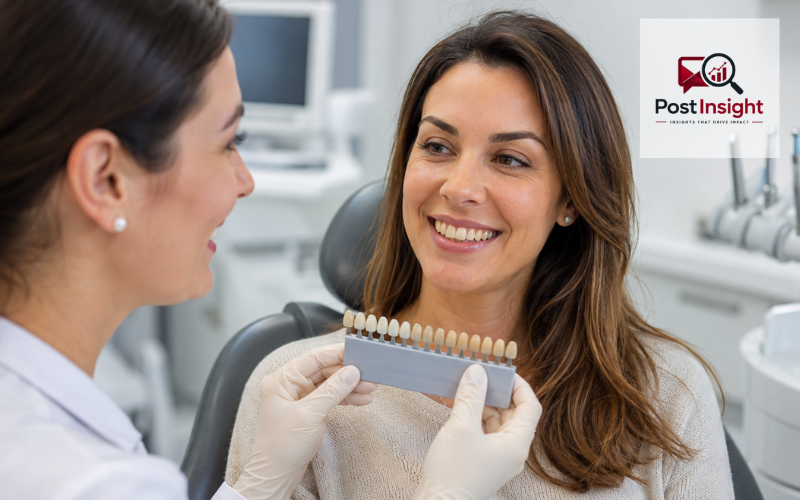
BrassSmile is an informal online term that may be used to describe teeth that look warm, yellowish, golden, dull, or uneven in color. It can also appear as a website, brand, or publishing name. However, it is important to understand that BrassSmile is not an official dental diagnosis. Dentists do not normally use it to identify a particular disease or condition.
When someone describes a “brassy” smile, they may be noticing normal tooth color, surface stains, plaque buildup, worn enamel, an internally discolored tooth, or dental work that no longer matches the surrounding teeth. These causes can look similar in a mirror, but they may require very different care.
This guide explains what BrassSmile can mean, how to tell normal tooth color from discoloration, why teeth may develop a warmer tone, and when whitening may or may not help. It also covers professional cosmetic options and simple ways to protect the natural appearance of your teeth.
| BrassSmile Cause | Common Sign | Possible Solution |
| Surface stains | Yellow or dull tooth surfaces | Cleaning or whitening |
| Plaque or tartar | Buildup near the gumline | Professional dental cleaning |
| Thin enamel | Warm or yellow natural tone | Enamel protection and dental advice |
| Internal discoloration | One tooth appears darker | Professional dental assessment |
| Mismatched restorations | Crown or filling differs in color | Restoration replacement or adjustment |
The meaning of BrassSmile depends heavily on where the word appears. Some people use it casually to describe a yellow, metallic, warm, or less-bright smile. Other websites use the name in articles about appearance, dental care, or general lifestyle topics.
Online use of the term is not consistent. Some third-party pages connect BrassSmile with smile appearance and dental information. As of August 2026, however, BrassSmile.com presents itself as a broader publishing and home-decor website rather than a recognized dental organization.
Because the term has no agreed clinical definition, readers should not use it as a self-diagnosis. A dentist would instead describe what is actually present, such as external staining, enamel erosion, plaque, tartar, tooth decay, an internally discolored tooth, or a shade mismatch between natural teeth and dental restorations.
This distinction matters because one internet label can group several different issues together. Whitening may help someone with coffee stains but do little for another person whose warmer tooth color comes from thin enamel or a crown that cannot be bleached.
A warm-toned smile does not look the same in every person. Some teeth may appear cream or light yellow across the whole mouth. In other cases, one tooth may look darker, more golden, gray, or brown than the teeth beside it. The color may also be stronger close to the gumline, where enamel is thinner and plaque or tartar may collect.
People with braces may notice dull areas around brackets or along the gumline because those places are harder to clean. After braces are removed, chalky white areas can sometimes appear where plaque and acid have caused mineral loss in the enamel. Braces themselves do not create these spots, but brackets and wires can make plaque control more difficult.
Lighting can also change how a smile appears. Warm indoor bulbs, phone-camera filters, lipstick shades, and surrounding colors may make teeth look more yellow in photographs than they do in natural daylight. For that reason, a single photograph is not a reliable way to decide whether tooth color is unhealthy.
Healthy teeth are not always bright white. Natural tooth shade can range from off-white to cream or pale yellow. The visible color comes from different parts of the tooth, especially the enamel on the outside and the dentin beneath it. Because enamel is partly translucent, the naturally warmer dentin can influence the overall shade.
Slight shade differences between teeth can also be normal. Tooth color may gradually become darker with age, and a person’s natural shade is influenced by the thickness and condition of the enamel. A naturally warm smile does not automatically mean that the teeth are dirty, damaged, or unhealthy.
Dental discoloration means that the color or transparency of one or more teeth has changed. Dentists generally describe discoloration as external, internal, or a combination of both.
A problem is more likely when there has been a recent color change, a clear link with staining habits, a rough deposit near the gums, or one tooth becoming much darker than the others. New white, brown, or black areas may also need attention. Pain, sensitivity, swelling, bleeding gums, a broken tooth, or a sudden color change should be professionally assessed rather than treated only as a cosmetic concern.
A BrassSmile appearance can have more than one cause at the same time. Surface stains from drinks or tobacco may sit on teeth that already have a naturally warm shade. Plaque and tartar can make the color look duller, while an old filling or crown may stand out because the natural teeth around it have changed.
Other possible causes include enamel wear from frequent acid exposure, age-related changes, tooth decay, dental trauma, and discoloration that develops inside the tooth. Some medicines can also affect tooth color, particularly when exposure happens while permanent teeth are developing.
The pattern, location, and timing of the discoloration help a dentist identify the likely cause. A whole row of gradually yellowing teeth may have a different explanation from one front tooth that suddenly turns gray after an injury.
It is helpful to separate external staining from internal color changes. External, or extrinsic, stains collect on the tooth surface. Internal, or intrinsic, discoloration develops within the enamel or dentin. Whitening may improve some forms of both, but the result depends on the cause, and only natural tooth structure responds to bleaching agents.
Coffee, tea, red wine, cola, dark fruits, and strongly colored foods can gradually stain the outer surface of teeth. The effect may become more noticeable when these products are consumed frequently throughout the day. Smoking and chewing tobacco can also cause stubborn yellow or brown staining and create serious oral-health risks beyond appearance.
Surface stains tend to collect in tiny irregular areas, between teeth, near the gumline, and on existing plaque or tartar. A professional cleaning may remove deposits and some external staining without changing the natural color of the tooth itself.
Whitening products work differently from a routine cleaning. They commonly use bleaching ingredients such as hydrogen peroxide or carbamide peroxide to lighten color within natural tooth tissue. Whitening toothpastes mainly rely on mild abrasives to remove external stains, although some also contain small amounts of peroxide.
Not every dark mark is a harmless stain. A brown or black area may be tooth decay, a damaged filling, or another dental problem. Scrubbing harder or repeatedly applying whitening products can delay proper care and may increase irritation, enamel wear, or sensitivity.
Enamel is the hard outer covering of a tooth. When it becomes thinner, more of the warmer, yellow-toned dentin underneath can show through. This may make the smile look darker even when the tooth surface is clean.
Enamel loss can occur through normal wear, tooth grinding, or repeated exposure to acids. Common sources of acid include carbonated soft drinks, sports drinks, fruit juices, acidic foods, acid reflux, and frequent vomiting. The American Dental Association describes dental erosion as the loss of tooth material caused by acids that do not come from oral bacteria. This loss can be progressive and irreversible.
Brushing with too much force may also contribute to tooth wear, particularly when the enamel is already softened or damaged. A soft-bristled toothbrush and gentle brushing method are safer than aggressive scrubbing.
Whitening may lighten some remaining natural tooth structure, but it cannot rebuild enamel that has already been lost. When thin enamel is the main cause of a BrassSmile appearance, care should focus on identifying the source of wear, reducing acid exposure, managing sensitivity, and protecting the remaining tooth structure.
Plaque is a sticky film that regularly forms on teeth. When it is not removed effectively, it can make the smile look dull and contribute to tooth decay and gum inflammation. Plaque can eventually harden into tartar, which cannot normally be removed through brushing at home.
Orthodontic brackets, wires, fixed retainers, and some removable appliances create additional areas where food and plaque can collect. Poor cleaning around these places may lead to yellow buildup, inflamed gums, or chalky white spots caused by enamel losing minerals.
The American Association of Orthodontists explains that braces do not directly cause white spots. The spots usually form when plaque and acid remain on enamel long enough to remove minerals from the tooth surface. Brackets and wires increase the risk because they make some areas more difficult to clean.
Professional cleaning can remove tartar and many surface deposits, but it does not bleach the natural tooth color. White spots that appear during or after braces may require a separate assessment. Depending on their depth and condition, care may include better plaque control, fluoride treatment, monitoring, or cosmetic treatment after the enamel becomes stable.
Crowns, veneers, bridges, and tooth-colored fillings are usually selected to match the teeth at the time they are placed. Over the years, natural teeth may become darker or collect stains, while restoration materials may age differently. The result can be a visible shade mismatch.
Whitening products do not lighten porcelain, ceramic, composite fillings, implants, or other restorations in the same way that they lighten natural teeth. The American Dental Association states that bleaching agents affect natural teeth but do not change the color of tooth-colored restorations.
This means that whitening the surrounding natural teeth can sometimes make an older crown, veneer, or filling look even more noticeable. It does not mean that the restoration has failed, but the color difference may become harder to ignore.
Careful planning is therefore important. A dentist may suggest whitening the natural teeth first, allowing the new shade to settle, and then replacing a visible restoration if needed. Replacement is not always necessary, particularly when the difference is small or located away from the front of the mouth. The condition of the restoration, the health of the tooth, cost, and the amount of tooth structure involved should all be considered.
Whitening is most likely to improve a BrassSmile appearance when the main concern is surface staining or a generally darker shade in healthy natural teeth. Common options include treatment in a dental office, trays supplied by a dentist for use at home, and over-the-counter products such as whitening strips or gels.
Professional treatment allows a dentist to examine the teeth and gums first, protect sensitive areas, and choose an approach suited to the individual. Dentist-provided trays are made to fit the mouth and are worn according to specific instructions. Over-the-counter products may cost less, but they may not fit as evenly and are not suitable for every dental condition.
Results depend on the original tooth color and the reason for the discoloration. Surface stains caused by coffee, tea, wine, or tobacco often respond more predictably than very deep internal stains. Restorations will not respond to the bleaching gel.
A realistic goal is a cleaner and brighter version of the person’s natural smile. Successful whitening does not have to produce extremely white teeth, and stronger treatment does not always create a better or more natural-looking result.
Whitening should not be used as a substitute for diagnosing pain, tooth decay, gum disease, cracks, or a suddenly dark tooth. A dental examination is particularly important when discoloration affects only one tooth, follows an injury, or appears with swelling, discomfort, or sensitivity.
People with exposed roots, worn enamel, existing sensitivity, untreated cavities, or inflamed gums may experience greater discomfort from whitening products. Temporary sensitivity and gum irritation are among the most common side effects of tooth whitening.
The NHS advises that a dentist should check whether the teeth and gums are healthy enough for whitening before treatment begins. It also notes that whitening may cause short-term sensitivity, sore gums, or irritation.
Whitening will not change the color of crowns, veneers, bridges, implants, or fillings. Deep internal discoloration may require another method, while enamel loss may need protective treatment rather than stronger bleaching.
Whitening is also not recommended by the NHS for people who are pregnant or breastfeeding, those aged 17 or younger, or people with unhealthy teeth or gums. Local laws and professional recommendations can vary, so anyone in these groups should speak with a qualified dental professional before considering treatment.
The least invasive professional option is often a dental cleaning, especially when plaque, tartar, or surface stains are making the smile look dull. If healthy natural teeth remain darker than desired, dentist-supervised whitening may be considered.
Composite bonding can cover selected areas of discoloration and may also improve small concerns about tooth shape. It involves placing tooth-colored resin directly onto the tooth. The material can be shaped and polished to blend with nearby teeth, although it may stain, chip, or require repair over time.
Porcelain veneers cover the front surface of teeth and may be considered when discoloration is severe, uneven, or combined with shape concerns. Crowns cover more of the tooth and are usually more appropriate when the tooth also needs structural protection. Research discussed by the ADA suggests that composite veneers, porcelain veneers, and crowns may be used for single-tooth discoloration, although crowns remove more tooth structure and may involve greater long-term repair needs.
No cosmetic option lasts forever. Bonding can wear or stain, veneers and crowns may eventually need replacement, and whitening results can fade. Suitability depends on oral health, bite, remaining tooth structure, expectations, maintenance needs, cost, and the likely long-term benefit.
A conservative treatment plan should preserve as much healthy tooth tissue as reasonably possible. Cosmetic treatment should not begin until active decay, gum disease, erosion, or other oral-health problems have been addressed.
Daily care cannot change every natural tooth shade, but it can prevent plaque and avoidable staining from making a BrassSmile appearance more noticeable. The ADA recommends brushing twice a day for two minutes with fluoride toothpaste and cleaning between the teeth daily with floss or another suitable interdental cleaner.
Use a soft-bristled toothbrush and gentle pressure. Clean carefully around the gumline, braces, fixed retainers, crowded teeth, and other areas where plaque can collect. People who find ordinary floss difficult may be able to use interdental brushes, floss holders, or another cleaner recommended by their dentist.
Drinking water after coffee, tea, or other staining drinks may help clear some residue, although it does not replace brushing. Reducing how often teeth are exposed to sugary or acidic drinks also supports enamel health. Frequently sipping these drinks over a long period creates repeated exposure.
Avoid harsh home remedies and excessive use of abrasive powders or whitening toothpastes. A product that removes surface material may make teeth look brighter for a short time while increasing wear or sensitivity when used incorrectly. Choose products with clear directions and reliable safety standards, and stop using them if they cause significant pain or gum injury.
Dental visits should be based on individual needs rather than one fixed schedule for everyone. Regular examinations allow a dentist to identify decay, gum problems, erosion, damaged restorations, and unexplained color changes before cosmetic treatment is considered.
BrassSmile is best understood as an informal internet label rather than a dental diagnosis. It may describe naturally warm tooth color, external stains, plaque or tartar, thin enamel, internal discoloration, orthodontic white spots, or dental restorations that no longer match.
The safest way to improve a warm, yellow, dull, or uneven smile is to identify the cause first. Cleaning and whitening may work well for surface stains and healthy natural teeth. However, they will not rebuild lost enamel, treat tooth decay, or lighten crowns and veneers.
More involved options, including bonding, veneers, crowns, or replacement restorations, should be considered only after oral health, long-term maintenance, cost, and the preservation of healthy tooth structure have been discussed with a dentist.
Good daily cleaning, sensible use of staining and acidic drinks, and professional assessment of new color changes can protect both appearance and oral health. A healthy smile does not need to be unnaturally white. It should be clean, comfortable, stable, and appropriate for the individual.
No. BrassSmile is an informal internet term, not an official dental diagnosis. It generally describes teeth that appear yellow, warm-toned, dull, stained, or uneven in color.
Whitening may improve stains on healthy natural teeth. However, it cannot rebuild lost enamel or change the color of crowns, veneers, bridges, fillings, or dental implants.
Healthy teeth are not naturally pure white. Enamel is partly transparent, allowing the yellow-toned dentin underneath to influence the tooth’s normal visible color.
See a dentist when one tooth suddenly becomes darker, discoloration follows an injury, or the color change appears with pain, sensitivity, swelling, bleeding gums, or visible damage.
Brush twice daily, clean between your teeth, limit tobacco and frequent staining drinks, rinse with water after dark beverages, and attend dental examinations when recommended.
Disclaimer: This article provides general educational information only and does not replace professional dental advice, diagnosis, or treatment. Consult a qualified dentist before using whitening products or treating unexplained tooth discoloration.