
 11
11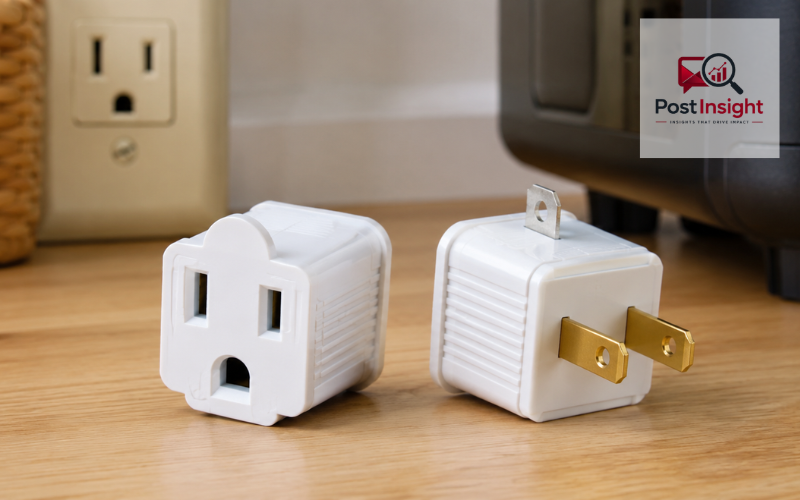
A 2 prong to 3 prong adapter is a small plug adapter that lets you connect a three-prong plug to an older two-prong outlet. Many older homes still have two-slot outlets because they were built before modern grounded outlets became common. So when someone buys a newer appliance, computer, charger, tool, or power strip with a three-prong plug, this adapter may look like the easiest answer.
The main thing to understand is simple: a 2 prong to 3 prong adapter does not automatically make an old outlet grounded. It only helps if the outlet box already has a safe ground path and the adapter is attached correctly. If the wall box is not grounded, the third prong of your device may still have no real protection.
That is why this adapter is best seen as a temporary convenience, not a complete electrical upgrade. It may help in limited situations, but it should not be treated like a permanent fix for old wiring. If you are using expensive electronics, heavy appliances, or anything in a wet area, safety matters more than convenience.
| Topic | What Readers Should Know |
| Main Use | Helps plug a 3-prong device into an older 2-prong outlet |
| Safety Concern | It does not automatically create a real ground connection |
| Grounding Tab | Must be attached to the wall plate’s center screw |
| Works Safely When | The outlet box is metal and properly grounded |
| Not Safe When | The outlet box is plastic, ungrounded, loose, or damaged |
| Better Option | Install a GFCI outlet or upgrade the wiring properly |
A 2 prong to 3 prong adapter usually has two metal blades on one side and three slots on the other. The two blades go into your old two-prong outlet. The three slots allow a modern three-prong plug to fit into the adapter. This makes it physically possible to plug in a device that otherwise would not fit.
Most of these adapters also include either a small metal tab or a green grounding wire. This part is very important because it is supposed to connect the adapter to a grounded metal outlet box. When this connection is real and secure, it can give the third prong a path to ground.
However, the adapter itself does not create grounding. It only connects to grounding that already exists. If the outlet box is plastic, if the wiring has no ground, or if the metal box is not connected to a grounded system, the adapter cannot solve that problem. In that case, the device may turn on and work, but it is still not properly grounded.
The grounding tab or green wire on a 2 prong to 3 prong adapter is not just an extra piece of metal. It is meant to be secured under the center screw of the outlet cover plate. This screw may connect to a metal outlet box behind the wall. If that metal box is grounded, the adapter may be able to pass grounding protection to the device.
This only works when the full ground path is present. The center screw must connect to a metal box, and that box must connect back to the home’s grounding system. A metal box by itself is not enough. Some older homes have metal boxes that are not grounded at all.
That is why you should not assume an adapter is safe just because it fits tightly or because the screw is metal. The real question is whether the box behind the wall is grounded. If it is not, attaching the tab may only make the setup look safer without actually adding protection.
The biggest concern with 2 prong to 3 prong adapter safety is shock protection. The third prong on many devices is designed to give fault current a safe path away from the user. If something goes wrong inside the device, grounding can help reduce the chance of electric shock.
When that ground path is missing, a metal part of an appliance or tool could become dangerous during a fault. The device may still run normally, so the risk is not always obvious. This is why ungrounded setups can be more dangerous than they look.
Fire risk is also a concern when adapters are used with loose outlets, damaged cords, overloaded plugs, or high-power equipment. If the adapter becomes warm, sparks, feels loose, smells like burning plastic, or causes lights to flicker, stop using it right away. These signs may point to a poor connection or a bigger wiring issue.
A 2 prong to 3 prong adapter is not safe in every situation. If the outlet box is plastic, the grounding tab has no metal box to connect to. If the outlet box is metal but ungrounded, the adapter still cannot provide proper grounding. In both cases, the third prong remains without the protection it was designed to have.
You should also avoid using these adapters on loose, cracked, burned, or damaged outlets. A poor connection can create heat and increase risk. If the plug does not sit firmly in the outlet, do not force it or try to “make it work.”
Wet and damp areas are another concern. Bathrooms, kitchens, garages, basements, laundry areas, and outdoor spaces need stronger shock protection because water increases the danger of electrical accidents. High-power tools, space heaters, refrigerators, air conditioners, and sensitive electronics also deserve extra caution. For these situations, an adapter is usually not the best answer.
Indoor use and outdoor use are not the same. A 2 prong to 3 prong adapter used inside a dry room already has safety limits. Outside, the risk becomes higher because of rain, moisture, dust, extension cords, and changing weather.
If someone searches for a 2 prong to 3 prong adapter outdoor option, they should be careful. Not every adapter is made for outdoor use. Indoor adapters should not be exposed to moisture. Even outdoor-rated electrical products must be used correctly and protected from water.
For outdoor areas, GFCI protection is especially important. A GFCI can shut off power quickly when it senses a dangerous ground fault. This does not create a true equipment ground, but it can greatly improve shock protection. If your outdoor outlet is old, ungrounded, or damaged, it is better to ask an electrician about a proper upgrade instead of relying on a small adapter.
The best 2 prong to 3 prong adapter is not always the cheapest one. A good adapter should feel solid, fit firmly, and include a clear grounding tab or green grounding wire. The plug should not wobble or pull out easily.
Look for safety testing marks such as UL Listed or ETL Listed when available. These marks show that the product has been tested to meet certain safety standards. Also check the electrical rating. Many household adapters are rated for 15 amps and 125 volts, but you should always match the adapter to the device you plan to use.
Avoid adapters that feel flimsy, have unclear labeling, or make big claims without safety details. Also be careful with multi-outlet adapters. Turning one old outlet into several plug points may look useful, but it can also tempt people to overload an old circuit. The safest adapter is the one used for the right device, in the right place, and for a limited purpose.
Many people search for a 2 prong to 3 prong adapter nearby when they need a quick solution. These adapters are commonly found at local hardware stores, electrical supply shops, home improvement stores, and general retail stores. They are also widely available online.
Buying nearby can be helpful because you can check the product in person. You can look at the build quality, read the rating, and confirm whether it has a grounding tab or wire. Staff at a hardware store may also help you choose the right type, although they should not replace advice from a licensed electrician.
Online shopping gives more options, but it also requires more care. Read the product details, not just the title. Some listings may use confusing wording like “grounded adapter” even though the adapter only works as grounded if your outlet box is already properly grounded.
If you are comparing 2 prong to 3 prong adapter Home Depot options, check the amp rating, voltage rating, grounding tab design, and customer questions. Home improvement stores often carry simple single adapters as well as multi-outlet versions.
For a 2 prong to 3 prong adapter Lowe’s search, compare similar details. Look at whether the product is meant for indoor use, whether it is listed by a testing lab, and whether it matches the device you want to plug in. Do not choose only by brand name or pack size.
A 2 prong to 3-prong adapter Target option may be suitable for light indoor use, especially if you only need a basic adapter for a low-power device. Walmart also carries many 2-prong to 3 prong adapter choices, including multi-packs and outlet extenders. With any retailer, the key is the same: check safety marks, ratings, grounding design, and return policy. Price is useful, but safety should come first.
You cannot always tell whether an outlet box is grounded just by looking at the outlet cover. Even a metal wall box may not be connected to a grounding system. This is common in older homes where wiring has changed over time or where the original wiring did not include a ground wire.
A basic outlet tester can help in some cases, but it may not tell the whole story, especially with old or unusual wiring. Some testers also cannot confirm every unsafe condition. If you are not sure, the safest step is to ask a licensed electrician to check the outlet.
Guessing is risky. A 2 prong to 3 prong adapter may make a three-prong plug fit, but it should not give you false confidence. If you plan to use a computer, power tool, freezer, washer, or any expensive appliance, it is worth knowing whether the outlet is truly grounded.
A safer long-term option is to install a GFCI receptacle where allowed by local electrical rules. A GFCI does not create an equipment ground, but it can shut off power quickly during a ground fault. When installed on an ungrounded circuit, it should be labeled properly so future users know there is no equipment ground.
Another option is to run a proper grounding conductor or replace old wiring with modern grounded wiring. This is usually the best solution when you want a true three-prong grounded outlet. It costs more than an adapter, but it gives better long-term safety and convenience.
In some older homes, a larger wiring upgrade may be needed. This is especially true if outlets are loose, circuits are overloaded, or breakers trip often. A 2 prong to 3 prong adapter may seem like an easy fix, but it should not hide a wiring system that needs attention.
One common mistake is plugging in the adapter without attaching the grounding tab or green wire. When that part is left loose, the adapter cannot even attempt to connect to ground. Another mistake is attaching the tab to a screw and assuming everything is safe without confirming that the outlet box is grounded.
People also use adapters outdoors or in damp rooms without proper protection. This can be dangerous because moisture increases shock risk. Another common mistake is using a small adapter with heavy appliances or devices that draw a lot of power.
The biggest mistake is treating a 2 prong to 3 prong adapter like a permanent upgrade. It is not the same as rewiring the outlet, and it is not the same as installing proper GFCI protection. It may help for a short-term need, but it should not become the long-term plan for an older home.
A 2 prong to 3 prong adapter may be useful for short-term, light-duty use in an older home, especially if the outlet box is confirmed to be grounded and the adapter is attached correctly. Renters may also consider one when they cannot change the wiring, but they should be careful and follow lease rules.
Homeowners planning electrical upgrades may use an adapter temporarily while arranging proper repairs. Still, they should not use it as a replacement for safe wiring. If you are using sensitive electronics, medical devices, large appliances, power tools, or equipment with a metal body, it is better to avoid relying on an adapter.
Anyone unsure about the outlet should ask an electrician. Electrical safety is not an area where guessing saves money. A short inspection can prevent bigger problems later.
A 2 prong to 3 prong adapter can be helpful when you need to plug a three-prong device into an older two-prong outlet. It is small, affordable, and easy to find at many stores. But it is only safe in the right conditions.
The most important point is that the adapter does not automatically create grounding. The grounding tab or green wire must connect to a properly grounded metal outlet box. If the box is plastic or ungrounded, the appliance remains ungrounded.
For better long-term safety, consider a GFCI receptacle, proper labeling, or a true wiring upgrade with a ground wire. Before buying or using any adapter, check the rating, safety marks, condition of the outlet, and the type of device you plan to plug in. A 2 prong to 3 prong adapter may solve a fitting problem, but it should never replace common sense or proper electrical safety.
A 2 prong to 3 prong adapter can be safe only if it is connected to a properly grounded metal outlet box. If no ground exists, the device remains ungrounded.
No, the adapter does not create a ground by itself. It only connects to an existing ground if the metal tab or green wire is attached correctly.
It is not recommended unless the adapter is outdoor-rated and the outlet has proper GFCI protection. Moisture increases shock risk, so outdoor use needs extra care.
The safest options are installing a GFCI receptacle, adding a proper ground wire, or upgrading old wiring. These are better long-term solutions than relying on adapters.
It is better to avoid using a 2 prong to 3 prong adapter for heavy appliances like heaters, refrigerators, or power tools. These devices need safer, properly grounded outlets.
Disclaimer: This article is for general information only and should not be taken as professional electrical advice. Electrical systems can be dangerous, especially in older homes. Always consult a licensed electrician before making wiring changes or using adapters with high-power devices.