
 11
11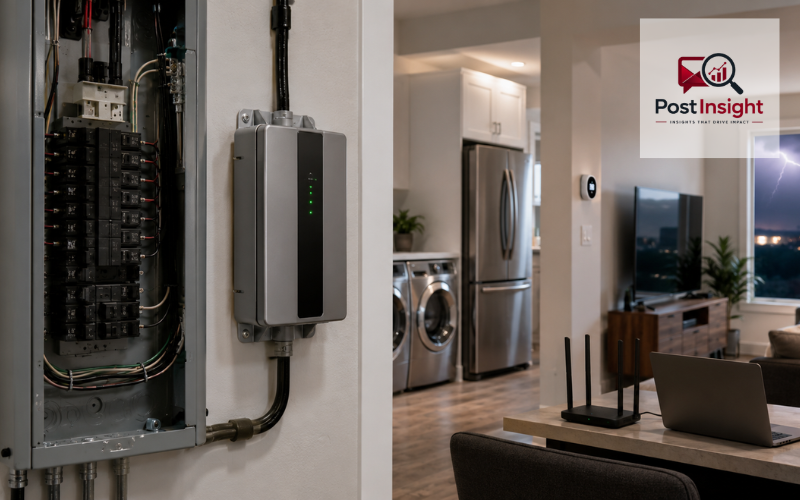
A whole house surge protector is a device that connects to your home’s electrical system and helps protect the appliances and electronics throughout the house from sudden spikes in voltage. Instead of protecting just one device, it works at the main panel level, which is why many homeowners see it as a smarter and more complete form of protection.
Today’s homes depend on much more than a few lamps and a refrigerator. Many people now have smart TVs, Wi-Fi systems, gaming consoles, computers, security cameras, smart thermostats, kitchen appliances, washers, dryers, and heating and cooling systems that all rely on stable electricity. When a power surge happens, any of these systems can be damaged. Sometimes the damage is immediate, but in other cases, smaller surges slowly wear down internal parts until a device stops working earlier than expected.
Power surges can come from several sources. Lightning is one of the most well-known causes, but it is not the only one. Utility-grid switching, power outages followed by power restoration, and large home appliances turning on and off can also create electrical spikes. Even though many surges are brief, they can still do expensive damage.
This guide explains how a whole house surge protector works, the difference between Type 1 and Type 2 devices, the main benefits, what installation usually involves, how much it may cost, which features matter most, and whether it is worth adding one to your home.
| Feature | What Homeowners Should Know |
| Main purpose | Helps protect the entire home from sudden voltage spikes |
| Installation location | At or near the main electrical panel |
| Common types | Type 1, Type 2, and combination Type 1/Type 2 |
| Suggested protection level | Choose the rating according to the home, panel, and local surge risk |
| Breaker requirement | Many Type 2 units use a dedicated double-pole breaker |
| Devices protected | HVAC systems, appliances, smart technology, computers, and entertainment equipment |
| Status monitoring | LED lights usually show whether protection remains active |
| Best installation choice | Installation by a qualified electrician |
| Extra protection | Use quality plug-in surge protectors for sensitive electronics |
| Replacement signs | Warning light, failed indicator, visible damage, or manufacturer replacement advice |
A whole house surge protector watches the electrical power entering your home. Under normal conditions, electricity flows through your system at a safe level. When the device senses a sudden spike in voltage, it reacts very quickly and redirects the extra electrical energy away from your home’s circuits and into the grounding system.
In simple terms, it acts like a safety gate. Instead of letting damaging voltage travel deeper into your wiring and reach your appliances, the surge protector helps send that energy somewhere safer. This quick action can reduce the chance of damage to major home systems and everyday electronics.
A whole house surge protector may help protect many of the devices connected to your electrical system. That includes refrigerators, washing machines, dryers, dishwashers, ovens, HVAC equipment, water heaters, garage door openers, televisions, routers, desktop computers, and other household electronics. It is especially useful for hardwired systems that cannot simply be unplugged or placed on a basic surge strip.
This is also why it offers broader protection than using only plug-in surge protectors. A power strip may help protect a TV or computer plugged into it, but it does not protect your electrical panel, HVAC unit, or built-in appliances. A whole house surge protector is designed to cover much more of the home at one time.
Electrical surges can come from outside the home or from inside it. External surges often happen because of lightning, utility company issues, or changes in the electrical grid. A nearby lightning strike does not have to hit your home directly to create a dangerous spike. In some cases, the surge enters through utility lines and moves toward the home’s electrical system.
Internal surges are actually very common. When large appliances such as air conditioners, refrigerators, pumps, or similar motor-driven systems cycle on and off, they can create smaller spikes in voltage. These surges are usually not as dramatic as lightning-related events, but they can happen again and again over time.
It is important to understand the difference between a major voltage spike and smaller repeated surges. A major surge may destroy a device instantly. Smaller surges may not be obvious, but they can slowly weaken sensitive components inside electronics. A computer, smart appliance, or entertainment device may still work after one small surge, but repeated exposure can shorten its life.
That is one reason whole-house protection matters. It is not only about preparing for a rare disaster. It is also about managing the everyday wear that electrical systems can place on expensive equipment over the long term.
When shopping for a whole house surge protector, you will often see Type 1 and Type 2 models. These names describe where the device is installed and the kind of surge conditions it is designed to handle.
A Type 1 surge protector is installed on the line side of the main service panel. In simpler words, it is placed before the electricity reaches the main breaker. This type is often used as a first line of defense against larger external surges, including those related to utility problems or major outside events.
A Type 2 surge protector is installed on the load side of the main service panel. It is typically connected at or inside the breaker panel and is very common in residential applications. Many homeowners looking for a whole house surge protector installation will encounter Type 2 units because they are widely used for home panel protection.
Some products are designed to provide both Type 1 and Type 2 protection, depending on how they are installed. These combination units can be attractive for homeowners who want flexibility or stronger overall coverage.
For a typical home, the right option depends on the panel setup, local code requirements, and the recommendations of the manufacturer or electrician. In many cases, homeowners use a Type 2 unit at the main panel, but every home should be evaluated based on its actual electrical system.
The biggest benefit of a whole house surge protector is peace of mind. Many homes now contain thousands of dollars’ worth of electronics and appliances. A single protective device at the panel can help reduce the risk of damage to systems people rely on every day.
Heating and cooling systems are a good example. HVAC equipment is expensive to repair or replace, and it is a central part of daily comfort. Kitchen appliances such as refrigerators, ovens, and dishwashers also represent a major investment. On top of that, many people work from home and depend on computers, monitors, routers, and network equipment to stay productive.
Another advantage is that a whole house surge protector helps guard hardwired equipment that cannot be protected by ordinary plug-in strips. It can also reduce gradual wear caused by repeated smaller surges, which means your devices may last longer.
There is also a convenience benefit. Instead of trying to protect each item one by one, you add a layer of protection that supports the whole electrical system. While it does not replace all other protective tools, it creates a solid first layer that can reduce the chance of costly repairs and early equipment failure.
For many homeowners, the answer is yes. The cost of a whole house surge protector is often small when compared with the total value of the electronics and appliances inside a home. Even one damaged HVAC board, refrigerator control panel, or smart TV could cost a large amount to repair or replace.
A whole house surge protector is especially worth considering in areas that experience frequent storms, unstable utility service, or power outages. Homes with smart technology, home offices, electric vehicle chargers, and modern entertainment systems may benefit even more because they contain more sensitive electronics than older homes did in the past.
That said, it is important to keep expectations realistic. Surge protection reduces risk, but it does not promise perfect protection in every possible situation. A very large electrical event may still overwhelm equipment, and some surges may travel through lines other than standard power wiring.
Still, in practical terms, the device offers strong value in many situations. If your home has expensive appliances, updated electrical systems, or a lot of connected devices, installing a whole house surge protector is often a smart upgrade.
Not all surge protectors are the same, so it helps to understand a few common ratings. One important figure is surge current capacity, often shown in kiloamps or kA. In general, a higher rating means the device can handle more surge energy over its life.
Another useful number is the nominal discharge current rating. This gives an idea of how well the unit can deal with repeated surge activity. It can be especially helpful when comparing products that may look similar at first glance.
You may also see a voltage protection rating, which relates to how effectively the unit limits excess voltage. In addition, many quality products are tested to UL 1449, a common safety standard for surge protective devices. Choosing a unit with recognized safety certification is important.
Some features make ownership easier. Diagnostic LED lights can show whether the unit is still actively protecting the home. This matters because a surge protector can wear out after taking repeated hits. If your panel is located outside or in a damp area, you may also need a weather-resistant enclosure rating such as NEMA 3R or NEMA 4X.
Warranty terms can vary as well. Some brands include product warranties or even connected-equipment coverage. While a warranty should not be the only reason to choose a device, it can add extra confidence.
A common question involves the whole house surge protector breaker setup. Many Type 2 units need to connect to a dedicated double-pole breaker. This is part of how the device ties into the electrical panel and allows it to function properly.
Panel compatibility matters a lot. Some surge protectors are designed to work with many panel brands, while others fit best with specific systems. This is one reason shoppers often search for brand-specific options such as a whole house surge protector Siemens or whole house surge protector GE. Matching the protector to the panel can make installation smoother and help ensure the device performs as intended.
Wire length also matters. In general, shorter and properly routed wires can improve performance because they help the unit respond more efficiently during a surge event. Some models mount directly at the breaker panel, while others are installed beside it and connected by wires.
Before buying any unit, it is important to confirm that the panel has the proper space and capacity. An electrician can quickly determine whether the current setup supports the chosen device.
A whole house surge protector installation usually takes place near or inside the main electrical panel. Because this work involves live electrical components and the central power system of the home, safety is extremely important.
During installation, the device is connected so it can monitor the flow of power and redirect excess voltage when needed. Proper grounding and bonding are a key part of the setup because the unit depends on the grounding system to move dangerous energy away safely.
The placement and wire routing also matter. Installers often try to keep conductors short and direct because that can improve the way the surge protector performs. The exact method may vary based on whether the unit is mounted inside the panel, attached to a breaker, or installed externally beside the panel.
In most cases, professional installation is the best choice. Even if a product seems simple, local code rules, permit requirements, and panel conditions can differ from one area to another. A qualified electrician can install the unit safely, verify compatibility, and make sure the grounding system is in good condition.
The whole house surge protector cost usually includes more than just the device itself. There is the price of the surge protector, possible breaker or accessory costs, and the labor charge for installation.
Basic models are often less expensive, while premium units with higher surge capacity, stronger enclosures, or replaceable modules tend to cost more. Installation costs can also vary depending on the condition of the panel, how easy it is to access, and whether any additional electrical work is needed.
In some homes, the electrician may discover related issues such as limited panel space, outdated equipment, or grounding problems. If that happens, the total cost can rise because those issues may need to be corrected for proper performance and safety.
Even so, it is better to look at value rather than price alone. A cheaper unit may not offer the same level of protection or durability as a better-rated model. Since the goal is to protect expensive appliances and electronics, the long-term value of the device often matters more than getting the lowest purchase price.
Homeowners often compare products by brand, and that makes sense, but the best choice still depends on specifications and compatibility. A whole house surge protector Siemens option may be appealing if your home has a Siemens panel or if the model fits your setup well. Siemens products are often considered when homeowners want strong compatibility and a known name in electrical equipment.
The same idea applies to a whole house surge protector GE product. Brand familiarity can be useful, but it should not be the only deciding factor. A good surge protector needs the right installation type, proper ratings, and clear safety certification.
Other widely recognized names include Eaton, Schneider Electric, and Intermatic. Some models offer higher surge current ratings, some are designed for indoor or outdoor use, and some include replaceable modules or special indicator systems. Warranty support can also differ from one brand to another.
The smartest way to compare options is to look at the actual needs of your home. Check the panel requirements, the device type, the enclosure rating, the surge capacity, the warranty, and how the unit shows its operating status. A product is only a good choice if it truly matches the home’s electrical setup.
A whole house surge protector and a plug-in surge strip are not the same thing, and in many homes, both have value. A whole-house unit protects the electrical system at the panel level, which means it can help shield large appliances, hardwired equipment, and many branch circuits throughout the home.
Plug-in surge protectors, on the other hand, are useful closer to sensitive electronics such as computers, TVs, gaming systems, and networking equipment. They can provide an additional layer of defense at the point of use.
It is also important to remember that not every power strip is a surge protector. Some strips simply add outlets and do not provide meaningful surge protection at all. That is why reading product labels matters.
A layered approach is often the best strategy. The whole house surge protector handles broader protection at the panel, while quality point-of-use devices add extra support for sensitive equipment. Homeowners should also remember that some surges may enter through data, coaxial, or communication lines, so a full protection plan may include those pathways as well.
A whole house surge protector does not last forever. Over time, it can weaken as it absorbs repeated electrical events. Some units may continue working for years, while others may need replacement sooner depending on how often they face surge activity.
One of the easiest ways to monitor the device is by checking the diagnostic lights. Many units have LED indicators that show whether protection is still active. If the light goes out or the device signals a fault, it may no longer be providing the level of protection you expect.
It is also wise to inspect the unit after major storms or known utility disturbances. Even if the power seems normal afterward, the surge protector may have absorbed a significant event. Manufacturer instructions can help explain what signs to watch for and when replacement is recommended.
Reviewing the warranty can also be helpful. Some brands provide guidance on what is covered and what to do if the unit fails. Simple routine checks can make sure the protection you installed is still doing its job.
A whole house surge protector is one of the most practical electrical upgrades for homeowners who want to protect appliances, electronics, and hardwired systems from damaging voltage spikes. It works at the main panel level, helps redirect excess voltage safely to ground, and provides a much broader layer of protection than relying only on plug-in devices.
Choosing the right model means paying attention to the type of device, the surge ratings, the breaker setup, the enclosure, and the overall compatibility with your electrical panel. It also means understanding that proper installation and a solid grounding system are essential for good performance.
For most homes, the best approach is a layered one. A whole house surge protector forms the first line of defense, and quality point-of-use surge protectors add extra safety for sensitive electronics. With the right setup, you can reduce risk, protect expensive equipment, and feel more confident about the electrical safety of your home.
A whole house surge protector is often worthwhile when a home contains expensive appliances, HVAC equipment, computers, or smart devices. Its cost may be much lower than replacing equipment damaged by one serious surge.
It can reduce damage from nearby lightning-related surges, but no device guarantees complete protection against a direct strike. Proper grounding and additional point-of-use protection provide a stronger layered defense.
The total cost depends on the protector, breaker requirements, electrician labor, panel condition, and local rates. Grounding repairs or panel upgrades can increase the final installation price.
Yes. A panel-mounted unit provides broad protection, while quality plug-in surge protectors add another protective layer for sensitive equipment such as computers, televisions, gaming systems, and networking devices.
Check its diagnostic LED indicators regularly. A failed warning light, fault signal, visible damage, or manufacturer-recommended replacement notice may mean the unit is no longer providing proper protection.
Disclaimer: This article is provided for general informational purposes only and should not be treated as professional electrical advice. Product requirements, electrical codes, installation methods, and costs can vary. Consult a licensed electrician before selecting, installing, repairing, or replacing a whole house surge protector.


