
 11
11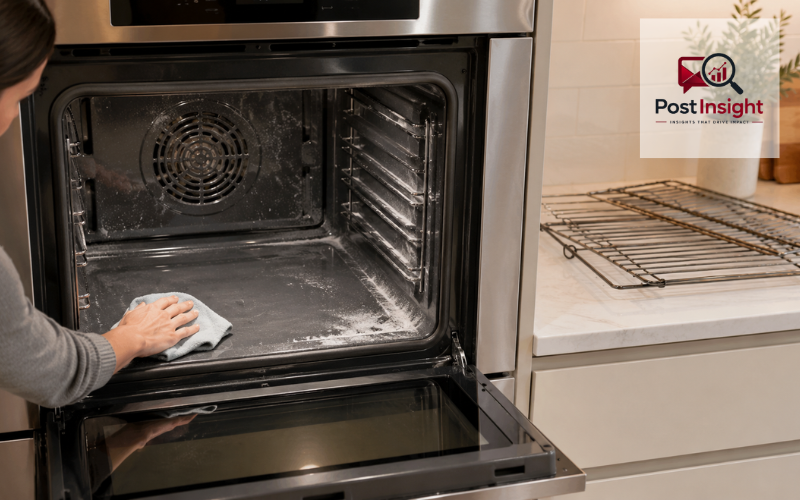
A self cleaning oven is designed to make one of the least enjoyable kitchen jobs easier. Instead of relying on strong chemical sprays and long periods of scrubbing, it uses either very high heat or a smaller amount of heat with water to loosen or break down food residue. The feature is useful, but the name can be misleading. The oven still needs preparation before the cycle and a final wipe afterward.
Most models use one of two methods. A high-temperature, or pyrolytic, cycle turns cooked-on soil into dry ash. A steam-clean cycle softens lighter messes so they can be wiped away. Some ovens offer both.
Neither method is completely hands-free. Heavy spills should be removed first, racks may need to come out, and the kitchen may need ventilation. Treat the feature as a cleaning aid rather than a substitute for regular care.
| Feature | Pyrolytic Self-Cleaning | Steam Cleaning |
| Cleaning method | Uses extreme heat to turn residue into ash | Uses water and low heat to soften residue |
| Best for | Heavy grease and baked-on food | Light spills and recent stains |
| Typical cycle time | About 2–5 hours, plus cooling | About 20–30 minutes |
| Final step | Wipe away cooled ash | Wipe away loosened dirt immediately |
| Energy use | Higher | Lower |
| Oven racks | Usually removed before cleaning | Depends on the oven model |
| Main concern | High heat, smoke, and odors | Limited power against stubborn buildup |
During a high-heat cycle, the oven raises its internal temperature far above normal baking temperatures. Many models reach roughly 880°F, or about 470°C. At that heat, grease and baked-on food break down into a pale, powdery ash that can be wiped out after the oven cools. GE describes this process as heating the cavity above normal cooking temperatures until soil is converted and reduced.
Heavy insulation keeps much of that heat inside, while the door locks automatically and normally stays locked until the temperature falls to a safer level.
Steam cleaning works differently. Water placed in the oven creates warm moisture that softens recent spills and light soil. It does not burn residue into ash, so the loosened mess must be wiped away while the oven is still slightly warm but safe to touch. Whirlpool and GE both describe steam cleaning as a lower-temperature option intended mainly for smaller or lighter spills.
“Self-cleaning” therefore does not mean the appliance washes every surface by itself. The cycle usually does not clean the door glass perfectly, remove debris from around the gasket, wash standard racks, or clean the exterior. Those areas still need careful manual attention.
A pyrolytic cycle is the stronger option. It is useful when grease or food has been baked onto the enamel over many cooking sessions. Depending on the model and selected soil level, the active cycle may last around two to five hours, followed by additional cooling time. Samsung, for example, lists light, medium, and heavy settings of two, three, and four hours on certain models.
It reduces scrubbing but uses more heat and energy, takes longer, and may produce odor or smoke when the cavity is heavily soiled.
Steam cleaning is faster and gentler. A typical cycle may take about 20 to 30 minutes, although the exact duration and water quantity differ by model. It is best for fresh splashes and light buildup. It usually uses less energy than a pyrolytic cycle because the oven does not reach an extreme temperature. However, it may not remove dark, hardened grease in one attempt.
Steam suits routine care; high heat is usually better for old, baked-on residue. Dual-clean models allow owners to reserve pyrolytic cleaning for occasional deep cleaning.
There is no single universal self-cleaning oven symbol. A control panel may show the word “Clean,” “Self Clean,” “Steam Clean,” or a small picture. On some Samsung models, stars indicate Self Clean, while clouds with stars indicate Steam Clean.
Other manufacturers use different icons, menu names, or combinations of buttons. “Clean” or “Self Clean” usually refers to a high-temperature cycle. “Steam Clean” normally uses water and low heat.
Names such as “Aqua Clean,” “AquaLift,” or “Easy Clean” often describe a water-assisted process, but they are not identical across brands. The amount of water, cycle time, rack instructions, and recommended follow-up can vary.
Do not choose a setting based only on a familiar-looking icon. Check the manual using the full model number, because water amounts and accessory rules vary.
Preparation reduces smoke, odor, and the chance of damage. Start with a completely cool oven. Remove cookware, baking stones, foil, liners, probes, trays, and any accessories that the manual does not specifically approve for the selected cycle.
Most manufacturers also tell users to remove standard racks before high-temperature cleaning. Samsung advises taking out all racks and utensils because racks may be damaged and foreign objects can ignite.
Next, wipe up loose crumbs, large food pieces, sugary spills, and visible pools of oil or grease. The self-clean cycle is meant to deal with residue that remains after easy debris has been removed, not a large quantity of flammable grease. Excess soil is a common cause of heavy smoke.
Inspect the door and gasket. Wipe the frame as directed, but do not scrub, pull, or soak the gasket unless the manual allows it. Keep the oven vent clear.
Children and pets should stay away from the kitchen. Move pet birds to a closed, well-ventilated room far from the oven before a high-heat cycle. Manufacturers warn that birds are especially sensitive to self-cleaning fumes.
Once the oven is empty and heavy debris has been removed, close the door and select Self Clean. Choose the soil level or cycle length recommended in the manual. A lightly soiled cavity does not need the longest setting.
Press Start and allow the lock to engage. Do not force the door after it locks. On many models, the oven will not begin the high-temperature cycle unless the door is closed and the locking system is working correctly.
Open a window and run a range hood that vents outdoors, when available. Good airflow helps manage heat and odors. Do not cover the vent, and avoid running the cycle when the kitchen cannot be ventilated. Maytag recommends keeping the kitchen well ventilated and leaving oven vents unobstructed.
Stay home and remain aware of the appliance. A light odor and a small amount of smoke can occur, but heavy smoke, continuing flames, a strong electrical smell, or an alarm requires attention.
When the cycle ends, wait for the oven to cool and unlock by itself. Never force the door. Once the cavity is fully cool, wipe the loose white or gray ash with a damp, soft cloth. Repeat gently if residue remains, avoiding abrasive pads on surfaces not approved for them.
Steam cleaning should also begin with a cool, empty oven. Remove accessories as directed by the model’s instructions. Some ovens allow racks to remain during steam cleaning, while others require removal, which is another reason not to rely on general advice alone.
GE states that racks may remain in certain models during its Steam Clean option, while Samsung instructions for some models say to remove them.
Pour the exact amount and type of water stated in the manual, usually onto the oven floor or into a specified tray. Do not assume that one or two cups is correct for every appliance. For example, Whirlpool guidance for one range design recommends 12 ounces, or 355 millilitres, of distilled or filtered water.
Start the Steam Clean cycle and allow it to finish. Open the door carefully because the water and released steam may still be hot. Wipe softened soil promptly. Repeat the process if permitted or use a manufacturer-approved manual method.
Steam cleaning works best when spills are treated soon after they happen. It may not remove thick layers of old grease, and several cycles may still be less effective than one properly prepared high-temperature cycle.
The most common self-cleaning oven dangers are burns, smoke, strong odors, and damage caused by incorrect preparation. The door, control area, cooktop, and nearby surfaces can become much hotter than they do during ordinary baking.
Samsung warns that exterior surfaces can become hot enough to burn during Self Clean. It also advises keeping children away and standing back when opening the door after the cycle because hot air may escape.
Smoke is more likely when grease, oil, food pieces, foil, or utensils remain inside. Commercial oven cleaner can also cause damage when heated during a self-clean cycle. GE and Samsung both advise against using commercial oven cleaners in a self-cleaning cavity.
People sensitive to smoke or odors should ventilate well and avoid remaining near the kitchen. Never use Self Clean when the door lock is damaged, the gasket is badly worn, the oven has an unresolved error, or the appliance is under a safety recall.
Do not line the oven floor or racks with aluminium foil unless the manufacturer clearly permits it. Foil can affect airflow and heat distribution, and some manufacturers warn that it may melt onto the oven surface during extreme heat.
A correctly installed, properly working self-cleaning oven used according to its manual is designed to complete the cycle safely. Claims that every self-cleaning cycle is deadly are misleading. However, it would also be wrong to say that there is no risk.
Any fuel-burning appliance can be involved in a carbon monoxide problem if it is faulty, poorly installed, or improperly vented. Carbon monoxide is colorless and odorless. Serious exposure can cause headache, dizziness, weakness, nausea, confusion, unconsciousness, and death.
A past CPSC recall, for example, involved specific Amana gas ranges that could emit high carbon monoxide levels in broil and self-clean modes. That was a product defect affecting particular models, not proof that all self-cleaning ovens behave that way.
Keep working smoke and carbon monoxide alarms in the home. If a carbon monoxide alarm sounds, or several people develop sudden headache, dizziness, nausea, chest pain, or confusion, move into fresh air and contact emergency services.
Pet birds face a separate and well-established warning because their respiratory systems are highly sensitive to fumes. Move them well away before the cycle begins. In some homes, relocating them outside the airflow path of the kitchen is safer than placing them in a nearby room. Some manufacturer guidance warns that exposure may be fatal to certain birds.
If standard metal racks were accidentally left inside, wait until everything is completely cool before inspecting them. High heat may darken the finish, reduce shine, make racks difficult to slide, or cause warping.
Samsung specifically warns that racks left in during Self Clean can discolor, warp, or potentially contribute to damage.
Discoloration may be cosmetic, but a bent rack that does not sit securely should not be used. Check that it slides level and does not tip.
For a rack that remains straight but feels rough, wash it with soap and water as directed, dry it fully, and follow the manual’s approved lubrication advice. Whirlpool suggests applying a light coating of vegetable oil to rack guides in certain care instructions, but this should not be treated as a universal method.
Some porcelain-coated or specially designed racks may be approved to stay inside. Certain steam-clean cycles may also allow racks to remain. Only the model manual can confirm what is safe for a specific oven.
A faint hot odor and a small amount of smoke may be normal during high-temperature cleaning because remaining soil is breaking down. Excessive smoke usually means too much grease or debris was left in the cavity.
Before the next cycle, remove more soil manually and choose a shorter setting when appropriate. Open windows and use an outdoor-vented hood. A recirculating hood does not move indoor air outdoors.
Stop the cycle according to the control instructions if thick smoke fills the room, flames continue rather than briefly appearing, or there is a sharp electrical or burning-plastic smell. Keep the door closed and turn off the oven if it is safe to do so.
For a fire that does not go out, leave the property and call emergency services. Do not open the oven repeatedly or throw water into a hot oven, as opening the door may supply additional oxygen and water may spread burning grease.
An unusually hot exterior does not always mean the oven is faulty, because high-temperature cycles naturally create more heat than ordinary cooking. However, melting controls, smoke from outside the cavity, repeated power failures, or unusual electrical smells require professional inspection before the oven is used again.
A door that will not lock may be obstructed or have a latch fault. A door that will not unlock may still be protecting the user because the oven remains hot. Allow more cooling time and never pry it open.
A cycle that stops early may have been interrupted by a power failure, an error code, or a safety response. Record the code and look it up for the exact model. Do not repeatedly restart a high-heat cycle when the appliance reports a fault.
Some control panels remain locked while certain oven functions are operating. Samsung notes that controls may not respond normally during Self Clean and other locked functions.
For a self-cleaning oven from Whirlpool, instructions vary across product lines. General Whirlpool guidance says to remove items and racks, wipe loose soil while avoiding the gasket, select the appropriate cleaning setting, and wipe away ash after cooling.
Button combinations, water quantities, cycle lengths, and rack rules can still differ. Use the full model number rather than following instructions written for another Whirlpool oven that only looks similar.
The best self-cleaning oven is not simply the model that reaches the highest temperature. Consider how you cook and how often spills occur. A frequent baker or roaster may value a strong pyrolytic setting. Someone who wipes spills quickly may find steam cleaning sufficient. A dual-clean oven offers more flexibility.
Look at the available cycle lengths, whether racks are self-clean-safe, how clearly the control panel identifies cleaning modes, and whether the door glass and gasket are easy to maintain. Good insulation is valuable, but the exterior will still become hot during high-temperature cleaning.
Steam-clean ovens may suit households that want shorter cycles and regularly clean light spills. Pyrolytic ovens may be more useful for people who often cook foods that create grease or baked-on residue. Neither choice removes the need for basic wiping and maintenance.
Also consider ventilation, fuel type, energy use, repair access, warranty terms, and safety notices. Read the manual before buying rather than relying only on the sales description.
A well-designed control panel, clear safety information, reliable door lock, and suitable rack system may be more valuable in daily use than additional cleaning settings that the household rarely needs.
A self-cleaning oven can reduce difficult scrubbing, but it still requires sensible preparation. Remove unapproved racks and accessories, clear away heavy grease, protect the gasket, ventilate the kitchen, and keep children and pets away.
Use pyrolytic cleaning for stubborn buildup and steam cleaning for light, recent soil. Do not add oven cleaner, foil, or an unapproved amount of water simply because a general online guide recommends it.
The most reliable self-cleaning oven instructions are always the ones written for the exact model. Symbols, water amounts, cycle times, and rack designs are not universal.
By following the manual and responding promptly to unusual smoke, alarms, odors, or error codes, owners can benefit from the feature without treating it as completely automatic or risk-free.
A self cleaning oven uses extreme heat to burn food residue into ash or uses steam to soften light stains. After the cycle, the remaining dirt must be wiped away.
It is generally safe when used according to the manufacturer’s instructions. Remove heavy grease, ventilate the kitchen, keep children away, and never force open the locked oven door.
Most standard oven racks should be removed because high heat may discolor, warp, or damage their finish. Some specially coated racks can remain, so always check the model’s manual.
Small amounts of smoke may come from burning food residue. Heavy smoke often means excess grease or debris was left inside and should have been removed before starting.
Commercial oven cleaner should not be used unless the manufacturer specifically approves it. Harsh chemicals may damage the oven’s enamel coating or create unpleasant fumes during future heating.
Disclaimer: This article provides general information. Cleaning controls and safety instructions vary by model, so always follow your oven manufacturer’s manual and professional advice when needed.


