
 11
11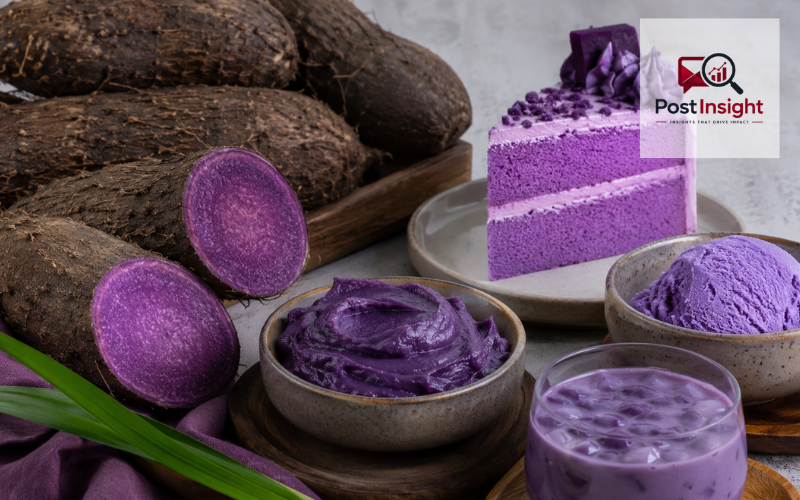
Purple yam is a vivid root vegetable best known by its Filipino name, ube. Its naturally purple or lavender flesh, gentle sweetness, and creamy texture have carried it from Southeast Asian kitchens into bakeries, cafés, and dessert shops worldwide. Many people describe its flavor as nutty, softly sweet, and slightly like vanilla.
Ube is also a starchy food that supplies carbohydrates, fiber, vitamin C, minerals, and anthocyanins—the pigments behind its deep color. This guide covers purple yam nutrition, possible benefits, recipes, growing habits, shopping tips, and its differences from taro and purple sweet potato. The species is native to tropical Asia and has long been cultivated there.
| Feature | Purple Yam Details |
| Common name | Ube |
| Botanical name | Dioscorea alata |
| Flesh color | Lavender to deep violet |
| Flavor | Mildly sweet, nutty, creamy, and vanilla-like |
| Main uses | Halaya, cakes, bread, ice cream, milkshakes, and bubble tea |
| Nutrition | Carbohydrates, fiber, vitamin C, potassium, and anthocyanins |
| Best forms | Fresh, frozen, powdered, extract, or prepared jam |
| Similar foods | Taro and purple sweet potato |
Purple yam is a form of Dioscorea alata, a species also called greater yam, water yam, or winged yam. It belongs to the Dioscoreaceae family, which contains true yams. The Filipino word “ube” is now widely used for purple-fleshed varieties, especially when they appear in desserts and packaged foods.
Ube has strong cultural and culinary importance in the Philippines. It is traditionally cooked into halaya, a thick sweet jam, and used in rice cakes, pastries, ice cream, candies, flan, puto, bibingka, and other treats.
Purple yam is not a sweet potato. True yams belong to the genus Dioscorea, while sweet potatoes are Ipomoea batatas in the morning-glory family. The two may look similar after cooking, but they come from different plants and have different textures, skins, and growing habits.
A fresh purple yam usually has rough, dark brown skin that looks woody or bark-like. Its shape may be round, long, or irregular, while its flesh ranges from pale lavender to rich violet. Not every Dioscorea alata tuber is purple, so the cut surface is the clearest way to confirm the color.
Raw ube is firm, moist, and starchy. After boiling or steaming, it becomes softer and easier to mash, but it normally keeps more body than a very soft orange sweet potato. Some varieties are slightly sticky or dense because their starch levels differ. Research shows that the cooking and texture qualities of Dioscorea alata can vary noticeably between varieties.
Its natural flavor is mild rather than sugary, with earthy, nutty, creamy, and vanilla-like notes. Sugar, coconut milk, condensed milk, or butter make that character stronger, so ube cake or ice cream tastes much sweeter than plain boiled ube.
Purple yam is mainly a source of starch and other carbohydrates. The current Philippine Food Composition Table entry for 100 grams of edible purple yam lists about 97 calories, 22.2 grams of carbohydrate, 3.4 grams of dietary fiber, 1.7 grams of protein, and 0.2 grams of fat. It also reports 6 milligrams of vitamin C, along with smaller amounts of calcium, phosphorus, iron, and B vitamins.
Potassium can also be an important mineral in Dioscorea alata, although the exact amount varies greatly by cultivar, soil, and testing method. A study of 20 water-yam varieties found wide differences in fiber, dry matter, amylose, and mineral levels, including potassium. This variation is one reason nutrition figures from different databases do not always match.
Purple varieties contain anthocyanins, a group of natural pigments also found in foods such as berries, purple cabbage, and black rice. Studies have identified several anthocyanins in purple yam and have measured antioxidant activity in laboratory tests. The pigment level can differ according to the variety, growing stage, and part of the tuber.
Claims that ube is rich in vitamin A also need care. The current Philippine database entry lists no measurable retinol, beta-carotene, or vitamin A activity in the tested food. Purple color alone does not mean high vitamin A.
Preparation changes the final nutrition. Plain boiled ube is very different from halaya, cake, or ice cream made with sugar, milk, cream, or butter, so check the label of packaged desserts.
The most practical purple yam benefits come from its role as a minimally processed plant food. Fiber supports normal bowel function and may improve fullness. Starch provides energy, potassium supports normal nerve and muscle function, and vitamin C helps with immune function and collagen production.
Anthocyanins can act as antioxidants, meaning they can help limit certain forms of oxidative damage in laboratory systems. Purple yam extracts have shown antioxidant activity in research, but this does not prove that eating ube can prevent or cure a disease. Human health depends on the whole diet, serving size, preparation method, and many other factors.
Boiled, steamed, or baked ube with little added sugar is generally the simplest choice. Desserts can still fit into a balanced diet, but much of their sugar and calories may come from condensed milk, coconut cream, or frosting.
Purple yam and purple sweet potato are often treated as the same ingredient, but they are different crops. Okinawan sweet potato is a purple-fleshed form of Ipomoea batatas, while ube is Dioscorea alata. Sweet potatoes belong to the Convolvulaceae family; ube belongs to Dioscoreaceae.
| Feature | Purple yam (ube) | Purple sweet potato |
| Botanical identity | Dioscorea alata | Ipomoea batatas |
| Plant family | Dioscoreaceae | Convolvulaceae |
| Skin | Usually rough, dark, and bark-like | Usually smoother and thinner |
| Flesh | Lavender to deep violet in purple varieties | Purple, often dense and even-colored |
| Texture | Starchy, creamy, sometimes slightly sticky | Dense, dry to creamy, depending on variety |
| Flavor | Mild, nutty, gently sweet, and aromatic | Earthier and often more directly sweet |
| Common uses | Halaya, cakes, ice cream, breads, and drinks | Roasting, baking, mashing, meals, and desserts |
Substitution can change a recipe. Purple sweet potato may make a cake denser or drier, while ube jam adds sweetness and moisture. For a true ube flavor, use real purple yam, frozen grated ube, or a clearly labeled ube product.
Ube is also frequently confused with taro because taro-flavored drinks and desserts are often shown in a pale purple color. Taro is Colocasia esculenta, a plant in the Araceae family. Its edible part is a corm rather than a true yam tuber. Common market varieties usually have cream, white, or grayish flesh with fine purple or pink flecks, although taro color varies by cultivar.
Taro tastes earthy and mildly nutty and works in savory or sweet dishes. Ube is usually more fragrant, creamier, and naturally more violet, while purple sweet potato tends to be denser and directly sweet.
Color alone cannot identify a product. Some taro drinks are colored purple, and some “ube” foods rely heavily on flavoring or dye. Check the ingredient list for purple yam, ube, Dioscorea alata, taro, or Colocasia esculenta.
The best-known use is ube halaya, made by cooking mashed purple yam with sweeteners and usually milk, coconut milk, or butter until thick. Halaya can be eaten as a dessert, spread on bread, layered into cakes, or used as a filling. Ube also appears in ice cream, milkshakes, bubble tea, cheesecakes, cookies, doughnuts, breads, pastries, rice cakes, and candies.
Fresh purple yam gives the cook control over sweetness and texture, but it requires peeling, cooking, and mashing. Frozen grated ube is convenient and usually keeps a flavor closer to fresh yam. Ube powder stores well and works in doughs and dry mixes, though it needs liquid and may taste less fresh.
Prepared ube jam is convenient for fillings but already contains sugar and may contain dairy or coconut. Extract mainly adds aroma and color, not the tuber’s texture or nutrition, so check whether it uses natural ube, added flavor, artificial color, or a mixture.
A simple purple yam recipe begins with cooking the tuber until tender. Wash it well, boil or steam it, then peel and mash the flesh. Cooking before or after peeling depends on the recipe, but handling large pieces with the skin on can reduce color loss and make peeling easier. True yam should be properly cooked rather than eaten raw because raw Dioscorea tubers may contain irritating or antinutritional compounds.
For a basic mash, combine cooked ube with a little milk or coconut milk. Stir mashed ube into pancake batter, or use mash or powder in bread, adjusting the liquid when needed.
For a smoothie, blend cooled cooked ube with milk, banana, and ice. For simplified halaya, slowly cook mashed ube with coconut or condensed milk until thick, keeping the heat low and stirring often. Philippine agricultural recipes use the same basic method.
Purple yam cake gets its character from mashed ube, ube jam, powder, extract, or a combination of these. Mashed yam and halaya add moisture and body, while extract strengthens the aroma and color. A cake made only with extract may look and smell like ube but contain little actual yam, so recipes using both real ube and extract often produce a fuller result.
Common fillings include halaya, whipped cream, buttercream, custard, or cream cheese. Coconut balances ube’s mild nuttiness, while toasted coconut or grated cheese can add contrast.
Other popular choices include cupcakes, cheesecakes, cookies, doughnuts, brownies, flan, and filled breads. Their color can range from lavender to deep purple, but a brighter shade does not always mean more real yam was used.
The purple yam plant is a vigorous climbing vine that produces underground tubers. It has broad, often heart-shaped leaves and stems that need room to climb. Farmers commonly train the vines onto stakes or trellises, which can improve support and may increase yield. Dioscorea alata is a perennial plant in nature, although it is usually managed as a seasonal food crop.
Ube grows best in warm tropical or subtropical conditions. It prefers well-drained, loose soil with organic matter and steady moisture during active growth. It can grow in open sun or partial shade.
The crop is usually started from healthy tuber pieces called setts or from small whole tubers. It needs a long frost-free season and is generally harvested when the foliage yellows and dries. Philippine guidance places full harvest around 10 to 11 months after planting, although timing varies by climate and variety.
Gardeners should also check local rules before planting. Dioscorea alata can spread aggressively in some warm regions and is listed as a noxious or invasive plant in certain places, including Florida.
People searching for “purple yam near me” are most likely to find it in Filipino grocery stores, Asian supermarkets, international markets, or specialist produce shops. Fresh tubers may be seasonal, while frozen grated ube, chunks, powder, jam, and extract are often available year-round. True yams are commonly sold through ethnic and international grocery markets in places where they are not widely grown.
Check both the produce and freezer sections. Frozen grated ube is useful for baking because it is already prepared, while online Asian grocers may carry powder, extract, and halaya.
Read labels carefully. Look for “ube,” “purple yam,” or Dioscorea alata. A taro product should name taro or Colocasia esculenta. For jam, check how much sugar, milk, coconut, flavoring, and coloring have been added. A very bright product is not automatically fake, but color alone cannot prove that it contains a meaningful amount of purple yam.
Purple yam price depends on location, season, supply, import costs, and product form. Fresh local tubers may be affordable at harvest but expensive where ube is imported. Frozen yam and halaya cost more because of processing and transport, while powder and extract cannot always replace fresh yam.
Choose a fresh tuber that feels firm and heavy for its size. Avoid pieces with wet soft spots, visible mold, a sour smell, or deep cuts. Rough skin and an uneven shape are normal. Minor dry marks are usually less concerning than damp damage or active decay.
Keep whole, uncut tubers in a cool, dry, ventilated place away from sunlight, not in a damp sealed bag. Cuts shorten storage life.
Refrigerate cooked ube in a covered container and use it within a few days, or freeze recipe-sized portions. Follow package directions for frozen ube, powder, extract, and opened jam.
Purple yam combines naturally violet flesh with a mild, creamy, nutty flavor. Known as ube in Filipino cooking, it can be boiled or turned into halaya, bread, drinks, ice cream, and purple yam cake. It supplies starch, fiber, vitamin C, minerals, and anthocyanin pigments, although exact nutrition depends on variety and preparation.
Ube is a true yam, not taro or purple sweet potato. Taro is usually paler and earthier, while purple sweet potato belongs to another plant family and often has a denser texture.
Choose firm tubers or products clearly labeled as real ube, cook fresh yam thoroughly, and match the product to the recipe. Fresh or frozen ube is best when texture matters, halaya is convenient for fillings, and extract works best as a supporting flavor.
Yes. Ube is the Filipino name commonly used for purple-fleshed varieties of Dioscorea alata. It is a true yam with naturally violet flesh and a mildly sweet, nutty taste.
No. Purple yam and purple sweet potato belong to different plant families. Ube usually has rough skin and a creamier texture, while purple sweet potato is often denser and sweeter.
Purple yam has a mild sweetness with creamy, nutty, and slightly earthy notes. Many people also notice a gentle vanilla-like aroma, especially when it is used in desserts.
Purple yam provides carbohydrates, dietary fiber, vitamin C, minerals, and antioxidant pigments called anthocyanins. Its nutritional value depends on portion size and whether it is boiled, baked, or heavily sweetened.
Fresh purple yam should be cooked before eating. Boiling, steaming, or baking softens the tuber and reduces naturally occurring compounds that may cause irritation or digestive discomfort when eaten raw.
Disclaimer: This article is for general information only and does not replace professional medical or dietary advice. Nutrition and health effects may vary by variety, preparation method, serving size, and individual needs.


