
 11
11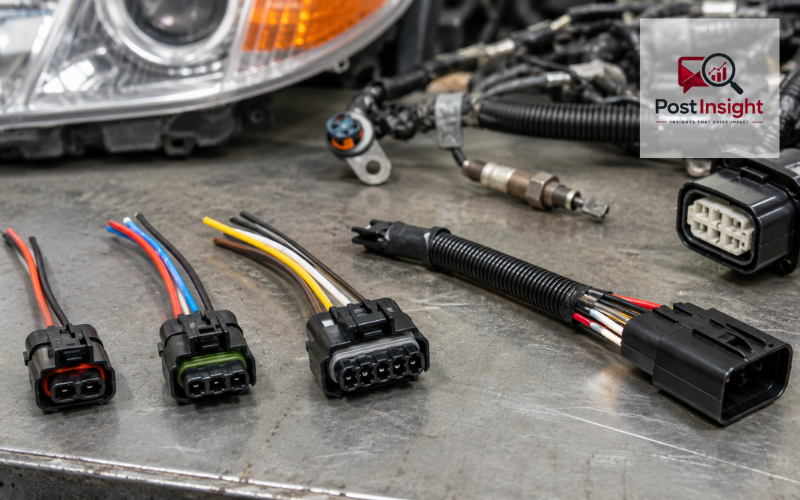
The term “pigtail pigtail” may look unusual at first, but many people search it when they are trying to understand pigtail connectors, pigtail wiring, pigtail adapters, or automotive pigtail parts. In simple words, a pigtail is usually a short piece of wire, cable, or connector lead that helps join one electrical part to another.
The word pigtail can have several meanings. It can refer to a hairstyle, a food ingredient, a medical catheter, a fiber optic cable, or an electrical connection. However, in this article, we will focus mainly on the wiring and connector meaning because most searches related to pigtail pigtail connector, pigtail harness, 2-pin connector, 3-wire pigtail connector, 4-pin pigtail connector, and pigtail automotive parts are about electrical or vehicle wiring.
Pigtail connectors are useful because they make wiring repairs easier, cleaner, and safer. Instead of replacing a long section of wiring, a small pigtail connector can often repair a damaged plug, extend a short wire, or connect a device to the right power source. In cars, trailers, LED lights, sensors, switches, and small electronic devices, a pigtail connector can save time and help create a more reliable connection.
| Pigtail Type | Simple Meaning | Best Used For |
| 2-pin pigtail connector | A connector with two wires | LED lights, fans, simple power connections |
| 3-wire pigtail connector | A connector with three wires | Sensors, switches, signal-based wiring |
| 4-pin pigtail connector | A connector with four wire points | Automotive lights, relays, control modules |
| Pigtail harness | A small wiring set with connectors | Vehicle repairs and aftermarket installations |
| Pigtail adapter | A connector that joins different plug styles | Lighting, trailers, accessories, electronics |
In wiring, a pigtail is a short wire or connector that comes out from a larger wiring setup. It usually has loose wires on one end and a plug, socket, or connector on the other end. This small part works like a bridge between the main wiring and the device that needs power or signal.
People may search for “pigtail pigtail” because the word is used in many different ways. Some users are looking for a pigtail connector. Others may want a pigtail adapter, a pigtail harness, or an automotive pigtail for a vehicle repair. The repeated keyword usually shows that the searcher is trying to understand the exact meaning of the word in a wiring or connector context.
The general meaning of pigtail is different from the electrical meaning. Outside wiring, it may mean a braid of hair or an actual pig tail used in cooking. In electrical and automotive use, it means a short wire lead or connector assembly used to make a connection easier.
A pigtail connector is a short connector with wires attached to it. One end usually has a plug or socket, and the other end has loose wires that can be connected to another wire harness, device, or circuit. This makes it easier to replace a broken connector without changing the entire wiring system.
For example, if a car headlight plug is melted or damaged, a matching pigtail connector can be connected to the existing wires. The new connector then plugs into the headlight bulb or headlight assembly. This is much easier than replacing the complete vehicle wiring harness.
Pigtail connectors are common in automotive repair, electronics, lighting, appliances, trailers, and low-voltage wiring. They help connect wires to sensors, lights, switches, fans, relays, control modules, and other small electrical parts.
The main purpose of a pigtail connector is to make a wire connection simple and secure. It is often used when the original connector is broken, corroded, loose, burned, or missing. Instead of replacing a full wiring system, the damaged end can be removed and replaced with a new pigtail.
Pigtail connectors are also helpful when wires are too short. A short wire can be extended with the right pigtail, making it easier to reach a device or terminal. This is common when installing lights, sensors, switches, aftermarket accessories, and small electronic parts.
Another important use is replacing broken plugs. In cars and machines, plastic connectors can become brittle over time. Heat, vibration, water, and dirt can damage them. A pigtail connector allows the user to restore the connection without doing a major repair.
Pigtails also help create cleaner wiring. A properly matched connector keeps wires organized, reduces loose connections, and helps prevent accidental disconnection. This is why many repair shops, electricians, and DIY users prefer using the correct pigtail connector instead of twisting wires together without protection.
There are many pigtail connector types, and each one is designed for a different purpose. The most common types include 2-pin pigtail connectors, 3-wire pigtail connectors, 4-pin pigtail connectors, sealed connectors, automotive connectors, and universal pigtail connectors.
A 2-pin pigtail connector is used for simple two-wire connections. A 3-wire pigtail connector is used when a device needs power, ground, and signal. A 4-pin connector is used for devices with more than one function or more than one circuit.
Sealed or weatherproof pigtail connectors are designed for outdoor, automotive, marine, and trailer use. They help protect the connection from dust, water, and moisture. Universal pigtail connectors are made to fit many general wiring jobs, but they still need to match the electrical needs of the device.
Choosing the right type is important. A connector may look similar to another one, but the pin shape, locking tab, size, wire thickness, and rating may be different.
A pigtail connector 2-pin is one of the simplest and most common connector types. It has two wires and is usually used for basic positive and negative connections. This type is common in LED lights, small fans, low-voltage devices, simple sensors, and small accessories.
In many cases, one wire carries power and the other wire works as the ground. Because it has only two connections, it is easy to understand and easy to install when the correct connector is used.
A 2-pin pigtail connector is often found in automotive lighting, motorcycle accessories, small electronics, and trailer lights. It is a good choice when the device only needs a simple power connection and does not require an extra signal wire.
However, the connector must still match the device. The user should check the shape, pin size, wire gauge, voltage rating, and locking style before installation. A wrong connector can fit poorly, come loose, or cause an unsafe connection.
A 3-wire pigtail connector is used when three wires are needed. This type is common in sensors, switches, signal lights, and devices that need more than simple power and ground. In many setups, the three wires may include power, ground, and signal.
For example, some automotive sensors need a power supply, a ground path, and a signal wire that sends information back to the vehicle’s computer. A 3-wire pigtail connector helps keep these wires in one organized plug.
This type of connector is useful because it reduces confusion during installation. Instead of three loose wires going in different directions, the pigtail keeps the connection clean and controlled. It also makes future replacement easier because the device can be unplugged instead of cutting wires again.
When working with a 3-wire pigtail connector, wire order matters. Even if two connectors look the same, the internal wire positions may be different. It is always best to compare the new pigtail with the old connector or follow the wiring diagram for the device.
A pigtail connector 4 pin is used for more advanced wiring connections. It has four wire positions, which makes it useful for parts that perform more than one function. These connectors are common in automotive lights, sensors, relays, control modules, and other electrical parts.
For example, a 4-pin connector may be used where a device needs power, ground, signal, and another control wire. In lighting, it may support more than one light function. In a vehicle, it may connect to a sensor or module that sends and receives information.
The main benefit of a 4-pin pigtail connector is that it keeps several wire functions inside one plug. This makes the wiring neater and easier to service. If the connected part needs to be replaced, the plug can be disconnected without cutting the wires.
Because 4-pin connectors handle more wire functions, it is very important to match the connector correctly. The pin count alone is not enough. The shape, wire layout, locking tab, seal, and rating should also match.
A pigtail harness is a small wiring harness that includes one or more connectors and attached wires. It is more complete than a single loose pigtail connector. A pigtail harness may include multiple wires, protective covering, clips, seals, or connectors designed for a specific repair or installation.
The main difference between a pigtail connector and a pigtail harness is size and purpose. A single pigtail connector usually repairs or connects one plug. A pigtail harness may connect a larger part or support more than one connection.
In automotive use, a pigtail harness is often used for headlights, tail lights, fuel system parts, ignition parts, sensors, trailer wiring, and aftermarket accessories. It can also be used when a section of wiring is damaged but the full vehicle harness does not need replacement.
A good pigtail harness should match the vehicle or device closely. It should have the right connector shape, wire length, wire size, and protective design. For vehicle use, an automotive-grade harness is usually better because it is made to handle vibration, heat, and moisture.
A pigtail pigtail adapter is used when two wiring systems or connector styles need to work together. It acts as a bridge between a device and a different plug style. This is common when installing aftermarket lights, trailer wiring, audio parts, sensors, or accessories.
For example, a vehicle may have one connector style, but a new light or accessory may come with a different plug. A pigtail adapter can help connect both sides without cutting too much factory wiring. This makes the installation cleaner and easier to reverse if needed.
Pigtail adapters are also useful in electronics and lighting. They may connect different pin styles, extend a connection, or convert one plug type to another. However, an adapter should not be chosen only by appearance. It must match the electrical needs of both parts.
The safest choice is an adapter designed for the exact device or vehicle. A poor-quality adapter can cause loose contact, flickering lights, weak signals, overheating, or wiring failure.
Pigtail automotive parts are common in vehicle repair because cars and trucks use many connectors. Over time, these connectors can break, melt, corrode, or become loose. A matching automotive pigtail can repair the damaged connection without replacing the entire wiring harness.
Headlights and tail lights are common places where pigtails are used. Heat from bulbs, moisture, and vibration can damage the original connector. A new pigtail connector can restore the connection and help the light work properly again.
Sensors and switches also use pigtail connectors. Engine sensors, brake switches, temperature sensors, oil pressure sensors, and other parts often connect through small plugs. If the plug is damaged, the part may not work correctly even if the sensor itself is still good.
Pigtails are also used in ignition parts, fuel system parts, trailer wiring, and aftermarket accessories. They are helpful when adding fog lights, LED bars, backup cameras, radios, or other electrical upgrades.
Choosing the right pigtail connector is important for safety and performance. The first thing to check is the pin count. If the old connector has two pins, a 2-pin connector is needed. If it has three or four wires, the replacement must match that setup.
Wire gauge is also important. Wire gauge means the thickness of the wire. A wire that is too thin may not handle the needed current. A wire that is too thick may not fit the connector or terminal properly. The new pigtail should match the original wire size as closely as possible.
The connector design also matters. Some connectors are sealed, while others are not. Sealed connectors are better for outdoor, vehicle, trailer, and wet locations. Unsealed connectors may be fine for dry indoor areas.
Voltage and current rating should also be checked. The connector must be able to handle the power level of the device. For automotive use, it is best to choose automotive-grade pigtail connectors because they are made for heat, vibration, dust, and moisture.
The connector shape and locking style should match too. A connector that does not lock properly can come loose and cause an electrical problem later.
One common mistake is using the wrong pin count. A connector may look close, but if the pin count or wire layout is wrong, the device may not work correctly. In some cases, it may damage the device.
Another mistake is ignoring wire gauge. Thin wires on a high-current device can overheat. Thick wires forced into small terminals may not hold properly. Matching the wire size helps create a safer connection.
Poor crimping is another problem. A loose crimp can cause weak contact, flickering lights, signal loss, or heat. The wire should be held firmly in the terminal, and the connection should be protected when needed.
Mixing up wire colors can also cause trouble. Wire colors are helpful, but they are not always the same in every vehicle or device. It is better to verify the wire function instead of trusting color alone.
Using indoor connectors outdoors is another mistake. Moisture can enter the connection and cause corrosion. For outdoor and vehicle use, sealed or weatherproof pigtail connectors are usually the better choice.
A 2-pin pigtail connector is best for simple power connections. It is often used for lights, fans, and small low-voltage parts. It is easy to understand because it usually has one power wire and one ground wire.
A 3-wire pigtail connector is better for devices that need power, ground, and signal. It is common in sensors, switches, and small control devices. It provides a clean way to manage three separate wire functions.
A 4-pin pigtail connector is used for multi-function parts. It is common in automotive lights, relays, sensors, and control modules. It allows several wire functions to pass through one connector.
A pigtail harness is useful when a larger wiring repair is needed. It may include more wires, protective covering, and one or more connectors. It is common in vehicle wiring repairs and aftermarket installations.
A pigtail adapter is helpful when two connector styles need to be joined. It is often used in lighting, trailers, automotive accessories, and electronics. The main purpose is to connect different plug styles safely and neatly.
The keyword “pigtail pigtail” usually points to pigtail connectors, pigtail adapters, pigtail harnesses, and automotive wiring parts. Although the word pigtail can mean different things in different contexts, in wiring it usually means a short wire or connector lead used to complete, repair, or adapt an electrical connection.
Pigtail connectors are useful because they make repairs easier and help create cleaner wiring. A 2-pin connector is good for simple power connections, a 3-wire pigtail connector is useful for power, ground, and signal, and a 4-pin connector helps manage more advanced electrical functions. A pigtail harness is helpful for larger repairs, while a pigtail adapter connects different plug styles.
Before choosing any pigtail connector, it is important to match the pin count, wire size, connector shape, locking style, and rating. For vehicle work, an automotive pigtail should be made for heat, vibration, dust, and moisture. Matching the connector to the exact device, vehicle, or wiring purpose will help create a safer, cleaner, and more reliable installation.
Pigtail pigtail usually means a short wire connector, adapter, or harness used to connect, repair, or extend wiring in vehicles, lights, sensors, and small electrical devices.
A pigtail connector is used to replace damaged plugs, extend short wires, connect devices, and create cleaner electrical connections without replacing the full wiring harness.
A 2-pin pigtail connector has two wires, usually for positive and negative connections. It is commonly used for LED lights, fans, small sensors, and low-voltage devices.
A pigtail connector is usually one plug with wires attached. A pigtail harness is a larger wiring section that may include multiple wires, plugs, covers, or clips.
Yes, an automotive pigtail connector is usually made for vehicle conditions such as heat, vibration, dust, and moisture. It is commonly used for lights, sensors, switches, and accessories.
Disclaimer: This article is for general informational purposes only. Electrical and automotive wiring can vary by device, vehicle, and system. Always check the correct wiring diagram, product rating, and safety instructions, or consult a qualified professional before installation.