
 11
11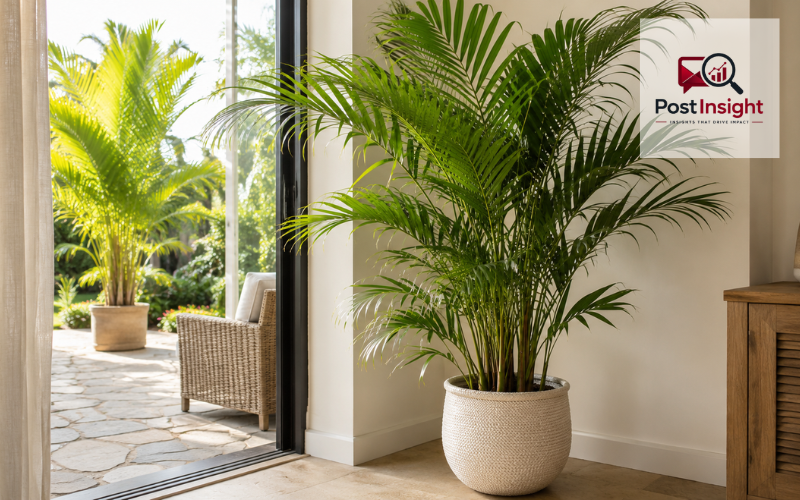
The majesty palm is a graceful tropical plant with long, feathery green fronds. It can quickly make a living room, office, or entryway feel brighter and more relaxed. Because it is attractive and often affordable, many people choose it as their first large indoor palm.
Known by the botanical name Ravenea rivularis, the majesty palm comes from Madagascar. In nature, it grows in warm, humid areas near rivers and streams. This background explains why it likes steady moisture, bright light, warmth, and higher humidity.
Although beautiful, a majesty palm needs more regular attention than many common houseplants. It may struggle if the light is weak, the air is dry, or its roots sit in water. Successful majesty palm care depends on balance: the soil should remain lightly moist but not waterlogged, and the plant should receive plenty of filtered light without harsh heat.
With a suitable location and a steady routine, this palm can stay healthy and attractive for years. Understanding its natural habitat is the best starting point for caring for it indoors or outside.
| Care Requirement | Best Conditions |
| Light | Bright, indirect sunlight |
| Water | Water when the top inch of soil feels slightly dry |
| Soil | Moisture-retaining but well-draining potting mix |
| Humidity | Preferably above 50% |
| Temperature | 65°F–85°F or 18°C–29°C |
| Fertilizer | Balanced palm fertilizer during spring and summer |
| Indoor Height | Commonly 6–10 feet with proper care |
| Pet Safety | Generally non-toxic to cats and dogs |
| Common Problems | Brown tips, yellow leaves, spider mites, and root rot |
| Outdoor Conditions | Warm, humid, frost-free areas with filtered sunlight |
The majesty palm belongs to the palm family and is native to Madagascar. Its scientific name is Ravenea rivularis. The word “rivularis” relates to its natural streamside habitat.
In the wild, the palm receives bright light, warm temperatures, humid air, and regular moisture around its roots. The ground may stay damp, but natural drainage prevents the roots from remaining in stale, trapped water.
Conditions inside a home are different. Indoor air is often dry, light may be limited, and roots have little space inside a pot. Heating, air conditioning, and cold windows can also create sudden changes. These stresses may lead to brown tips, yellow leaves, or slow growth.
A healthy majesty palm indoors does not need greenhouse conditions, but it does need reliable light, consistent watering, good drainage, and enough humidity to protect its fronds.
One of the main majesty palm benefits is its decorative value. Its upright form and arching fronds add height without making a room feel heavy. The fresh green foliage can soften hard furniture, large walls, and open corners.
A majesty palm also creates a tropical look without requiring major changes to the room. It suits modern, coastal, natural, and traditional interiors. The fine leaflets add texture, while the tall shape draws attention upward.
The plant is generally considered non-toxic to cats and dogs, making it appealing for pet-friendly homes. However, pets may still chew the leaves or knock over the container, so a stable pot and careful placement are helpful.
Like other large-leaved plants, it can collect dust. Occasional cleaning improves its appearance and helps the leaves receive light more effectively.
Good majesty palm indoor care begins with consistency. The plant prefers bright, indirect light, lightly damp soil, warm room temperatures, and humidity above the level found in many dry homes. It also benefits from regular feeding during spring and summer.
Check the plant instead of watering by a fixed calendar. Soil dries faster in warm weather, near a bright window, or in a small container. It dries more slowly in winter, low light, or cooler rooms. Testing the top inch of soil is more reliable than watering on the same day each week.
Common mistakes include letting the soil dry completely, placing the palm in a dark corner, leaving water in its saucer, and suddenly exposing it to intense sun. Too much fertilizer can also burn the roots.
Small, regular adjustments are safer than trying to fix a problem with a large amount of water or fertilizer at once.
A majesty palm grows best in bright, indirect sunlight. An east-facing window is often suitable because it provides gentle morning light. A spot near a bright south- or west-facing window can also work when a sheer curtain filters strong afternoon sun.
Harsh direct sun may scorch indoor-grown fronds. Scorched areas often look pale, tan, or dry, especially on the side facing the window.
Too little light can slow growth, weaken new fronds, and cause lower leaves to yellow. The soil may also stay wet longer because the plant uses less water.
Turn the pot slightly every week or two so the palm grows evenly. If natural light is limited, a suitable grow light may help when used according to its instructions.
Majesty palms prefer evenly moist soil and should not dry out completely. Water when the top inch of the potting mix feels slightly dry. Add water slowly until it drains from the bottom, then empty the saucer or outer pot.
The roots need moisture and air. Soil that stays soaked can cause root rot, weak growth, and yellow leaves. A container with open drainage holes is essential. Decorative pots without holes should only be used as covers around a draining nursery pot.
Choose a potting mix that holds some moisture but releases extra water. A quality indoor plant mix with perlite, fine bark, or coco coir usually works well. Avoid heavy garden soil because it can compact inside a container.
Minerals and salts in tap water may contribute to brown tips. Filtered water or rainwater may help when buildup is a repeated issue. Flushing the soil with clean water occasionally can also remove extra salts, provided the pot drains freely.
Humidity above 50 percent usually helps majesty palm fronds remain green and flexible. Dry air often causes brown tips and creates better conditions for spider mites.
A room humidifier is the most effective way to raise humidity. Grouping plants together may also help. A pebble tray can provide a small local benefit, but the pot must stay above the water.
Misting only raises moisture briefly and is not a replacement for a humidifier. If you mist, make sure air can move around the leaves and avoid leaving them wet in cool conditions.
Keep the room between about 65°F and 85°F, or 18°C and 29°C. Protect the palm from cold drafts, heaters, air-conditioning vents, and doors that open frequently in winter. Sudden temperature changes can stress the foliage.
Majesty palms need regular nutrients while actively growing. During spring and summer, feed about once a month with a balanced liquid houseplant fertilizer or palm fertilizer. Using it at half strength can reduce the risk of root damage.
Palm foods often contain magnesium, iron, and other nutrients that support green fronds. Deficiencies may cause pale leaves, yellow areas, or weak growth. However, yellowing can also result from overwatering, poor drainage, or low light, so check the growing conditions before adding fertilizer.
Do not overfeed to force faster growth. Excess fertilizer creates salt buildup and can burn roots or leaf edges. Reduce feeding during winter when growth slows. Apply fertilizer to moist soil rather than dry soil.
Majesty palm height depends on age, light, pot size, and growing conditions. Indoors, many plants reach about 6 to 10 feet, although they may remain smaller in average homes. Outdoors in tropical conditions, mature plants can grow far taller.
Growth is usually moderate when the palm receives enough light, warmth, moisture, and nutrients. Dry air, weak light, or crowded roots may slow development. A recently purchased plant may also pause while adjusting to its new location.
Consider both floor and ceiling space before buying one. The fronds spread outward as well as upward, so the palm needs room away from walls and furniture. Avoid placing a small plant in an oversized pot, as the extra soil may remain wet for too long.
Healthy new growth appears as central spears that slowly open into fronds. Do not pull or cut these developing leaves.
Remove only fronds that are fully brown, badly damaged, or clearly dead. Use clean, sharp pruners and cut near the base without harming the main stem. Healthy green fronds should remain because they provide energy to the plant.
Brown tips can be trimmed for appearance. Follow the natural shape of each leaflet and leave a thin brown edge instead of cutting into green tissue.
Clean the fronds with a soft, damp cloth to remove dust and check for pests. Avoid leaf-shine products because they may leave a coating on the foliage.
Repot when roots circle tightly, grow through drainage holes, or make the plant dry out very quickly. This is often necessary every two or three years, though each plant is different. Choose a pot only one size larger, keep the palm at the same depth, and handle the roots gently. Spring is usually the best time to repot.
Majesty palm outdoor care is easiest in warm, humid, frost-free climates. In cooler regions, it can spend summer outside in a container and return indoors before temperatures fall.
Move the palm outside gradually. Begin in a shaded, sheltered position and slowly expose it to brighter light over one or two weeks. A sudden move into strong sun can burn the fronds.
Choose a site with filtered light or mild morning sun. Protect the plant from strong wind, which may tear the leaves and dry the soil quickly. Outdoor containers often need more frequent watering during hot weather, but they should still drain well after rain.
Bring the palm inside before cold nights arrive. Inspect the leaves, stems, and soil for pests before placing it near other houseplants.
Brown leaf tips may result from low humidity, underwatering, mineral buildup, excess fertilizer, or hot air from a vent. Improving humidity and correcting the watering routine can prevent further damage, but existing brown tissue will not turn green.
One older lower frond may naturally yellow before dying. Several yellow leaves, however, may indicate overwatering, poor drainage, weak light, or nutrient trouble. Check soil moisture and root health before fertilizing.
Drooping may happen when the soil is too dry, the roots are damaged, or the plant is adjusting to a new spot. Slow growth often points to low light, cool temperatures, or limited nutrients.
Spider mites are common in dry conditions. Signs include fine webbing, pale speckles, and tiny moving dots. Rinse and wipe both sides of the fronds, then use insecticidal soap if needed. Follow the product label and repeat treatment as directed.
Scale insects look like small brown or tan bumps on leaves and stems. Remove light infestations by hand or use a suitable houseplant treatment. Isolate the affected palm and inspect nearby plants.
Majesty palm and cats can generally share a home safely because the plant is considered non-toxic to cats and dogs. Still, eating a large amount of any plant may upset a pet’s stomach. Contact a veterinarian if unusual symptoms develop.
When searching for a majesty palm for sale, choose a plant with mostly green fronds, firm central growth, and no webbing, sticky residue, or raised brown insects. A few brown tips are common, but widespread yellowing, soft stems, or sour-smelling soil may point to poor root health.
Check that the pot has drainage holes and that the plant feels secure in the soil. Severely crowded roots may mean it needs repotting soon.
Think about the final size before buying. A small plant is easier to move and adjust, while a large palm creates an immediate effect but requires more space. Buying from a nursery where you can inspect the plant in person may reduce the chance of bringing home pests or a stressed specimen.
A majesty palm can bring height, fresh color, and tropical character to an indoor or outdoor space. Its needs are easy to understand, but they must be met consistently. Bright indirect light, evenly moist soil, good drainage, warmth, and higher humidity are the foundation of healthy growth.
Avoid extremes. Do not let the soil become completely dry, but never leave the roots in standing water. Give the plant plenty of light while protecting it from sudden harsh sun. Feed it during active growth without applying more fertilizer than it needs.
A majesty palm is best for someone who enjoys checking plants regularly and can provide a bright, humid position. It may not suit a dark room or a routine where watering is often forgotten. With steady care and early attention to leaf changes, this tropical palm can remain an attractive part of the home for years.
A majesty palm needs more attention than many houseplants. It grows well indoors when it receives bright indirect light, regular watering, good drainage, warmth, and consistently high humidity.
Water when the top inch of soil feels slightly dry. The exact schedule depends on light, temperature, pot size, and season, so always check the soil before watering.
Brown tips commonly result from low humidity, dry soil, excess fertilizer, or minerals in tap water. Improving humidity and using filtered water may help prevent further browning.
Majesty palms are generally considered non-toxic to cats and dogs. However, chewing large amounts of foliage may still upset a pet’s stomach, so keep the plant in a secure location.
A majesty palm can grow outdoors in warm, humid, frost-free conditions. In cooler regions, keep it in a container and bring it indoors before temperatures begin to drop.
Disclaimer: This article provides general plant-care guidance. Growing results may vary depending on climate, indoor conditions, water quality, soil, and the overall health of the plant.


