
 11
11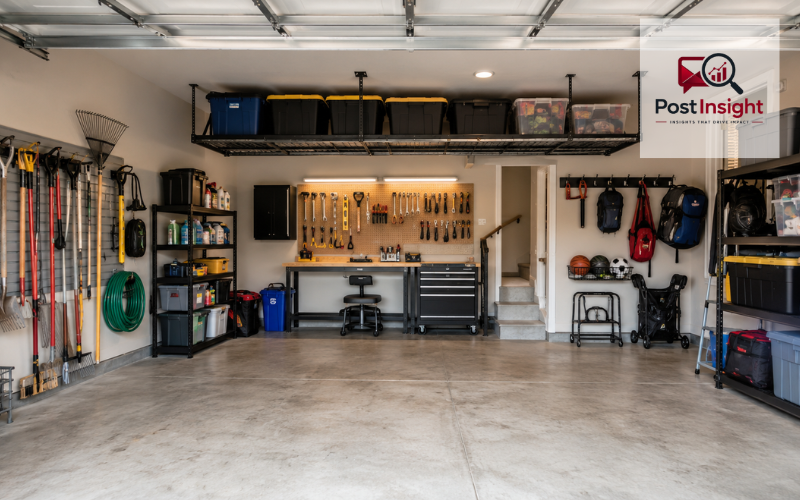
Learning how to organize garage space can make a big difference in how useful your home feels. For many people, the garage slowly becomes a place where everything goes when there is no space inside the house. Old boxes, sports gear, tools, garden supplies, car products, paint cans, bikes, and holiday decorations all end up in one area. Over time, the garage becomes crowded, hard to clean, and difficult to use.
The good news is that organizing a garage does not have to be complicated. A clean and useful garage usually starts with a simple process: declutter what you do not need, group similar items together, create clear zones, use wall and ceiling space, add practical storage, and keep the floor as open as possible. When everything has a proper place, the garage becomes much easier to manage.
The main goal is not to create a perfect-looking garage. The goal is to make the space practical for real life. A well-organized garage should help you park your car, find your tools, store seasonal items, work on hobbies, and move around safely. Whether your garage is large or small, the right system can help you keep it clean, useful, and easy to maintain.
| Step | What to Do | Why It Helps |
| 1. Declutter first | Remove broken, expired, and unused items | Creates more space before adding storage |
| 2. Sort by category | Group tools, sports gear, garden items, and car supplies | Makes everything easier to find |
| 3. Create zones | Set areas for tools, gardening, sports, and seasonal items | Keeps the garage organized long-term |
| 4. Use wall space | Add hooks, pegboards, shelves, or track systems | Gets items off the floor |
| 5. Add smart storage | Use bins, cabinets, labels, and overhead racks | Keeps items protected and easy to access |
| 6. Maintain weekly | Put items back after use and remove new clutter | Prevents the garage from becoming messy again |
Before you buy shelves, bins, hooks, or cabinets, take time to understand how your garage is currently being used. Some garages are mainly used for parking. Others work as storage rooms, workshops, laundry areas, sports gear spaces, or garden supply areas. Many garages are used for several purposes at the same time. This is why planning matters.
Start by asking what the garage needs to hold. Do you need room for one or two cars? Do you store bikes, lawn equipment, tools, storage boxes, or pet supplies there? Do you want a small workbench for repairs or DIY projects? When you know the purpose of the garage, it becomes easier to decide what should stay and what should go.
It also helps to measure the space before buying anything. Measure the walls, ceiling height, corners, and the area around the garage door. Check how much space your car needs if you park inside. This step prevents common mistakes, such as buying cabinets that are too deep or shelves that block walking space. A clear plan saves money and helps you build a garage layout that works from the start.
One of the biggest mistakes people make is buying storage before decluttering. If you organize items you no longer need, you only make clutter look neater. The better approach is to clear out the garage first, or at least work section by section if emptying the whole garage is not possible.
Choose a dry day and move items into the driveway or open space. If the garage is very full, start with one wall, one corner, or one category. As you sort, create four simple groups: keep, donate, toss, and relocate. Keep items that you use, need, or truly want. Donate items that are still useful but no longer needed. Toss broken, expired, unsafe, or damaged items. Relocate things that belong somewhere else in the home.
This is also the right time to check old tools, paint, cleaning products, batteries, chemicals, and car fluids. Broken tools, empty containers, expired products, and damaged boxes take up valuable space. Handle chemicals and old paint carefully and follow your local disposal rules.
Once items are out of the way, clean the garage properly. Sweep the floor, remove dust from shelves, wipe corners, and clean oil spots if possible. A clean space makes it easier to see what you are working with and helps your new storage system last longer.
After decluttering, the next step in how to organize garage space is sorting items into clear categories. This makes storage easier because you can see what you actually own. Instead of placing random things on shelves, group similar items together.
Common garage categories include hand tools, power tools, lawn and garden supplies, sports equipment, car care products, seasonal decorations, camping gear, home repair supplies, paint, cleaning products, and household storage. Once these groups are clear, you can decide where each category should live.
It is also important to separate daily-use items from rarely used items. Items you use often should be easy to reach. These may include basic tools, garden gloves, bikes, sports gear, or car cleaning products. Seasonal or rarely used items, such as holiday decorations or camping gear, can be stored higher up or farther away.
Sorting first also helps you avoid buying the wrong type of storage. For example, small hardware needs drawers or small containers, while garden tools need hooks or wall racks. When you understand your categories, your garage setup becomes more useful and easier to maintain.
Garage zones make the space easier to understand and use. A zone is simply a dedicated area for one type of item or activity. Instead of spreading tools, sports gear, and garden supplies across the whole garage, each group gets its own place.
A tool zone may include a workbench, pegboard, drawers, and power tool storage. A garden zone may hold rakes, shovels, soil, gloves, plant food, and lawn equipment. A sports zone may include balls, helmets, rackets, bikes, and outdoor toys. An automotive zone can hold car wash supplies, tire tools, oil, windshield fluid, and cleaning cloths. A seasonal zone can hold holiday decorations, camping equipment, and storage bins.
The best zones are based on real-life use. Keep frequently used items near the garage entrance or in places that are easy to reach. Store heavy or bulky items at a safe height so you do not have to lift them from overhead. Items used together should stay together. For example, it makes sense to keep gardening gloves near garden tools and car sponges near car cleaning products.
Zones help everyone in the home know where things belong. This makes the garage easier to clean and much easier to keep organized over time.
If you want to know how to organize garage for small spaces, the most important rule is to protect floor space. Small garages become crowded quickly when boxes, tools, and equipment sit on the ground. The more you can move items to the walls, shelves, and ceiling, the more useful the garage becomes.
Use vertical storage wherever possible. Wall hooks can hold bikes, ladders, hoses, chairs, and garden tools. Slim shelves can store bins without taking up too much floor space. Stackable plastic totes work well for seasonal items, but they should be labeled so you do not have to open every box to find one thing.
In a small garage, it is also important to keep only what is needed. If the garage is holding items you never use, it will always feel too full. Avoid wide cabinets if they block the car, doorways, or walking paths. Choose narrow cabinets, wall-mounted shelves, or open shelving instead.
Small garages work best when every item has a reason to be there. Keep the layout simple, leave a clear walkway, and avoid storing things in the middle of the floor.
You do not need an expensive system to create a clean and useful garage. If you are looking for how to organize garage on a budget, start with what you already have. Old shelves, plastic bins, jars, baskets, crates, and small containers can often be reused in helpful ways.
Simple hooks, pegboards, and basic metal or plastic shelves can make a big difference without costing too much. A pegboard can organize hand tools. Wall hooks can lift garden tools and bikes off the floor. Clear bins or labeled totes can keep seasonal items together. Even simple jars can hold screws, nails, bolts, and small hardware.
Before buying full cabinet systems, focus on low-cost upgrades that solve your biggest problems first. If tools are scattered, start with a tool wall. If boxes are taking over the floor, start with shelves. If sports gear is everywhere, use baskets or wall racks.
Here are 5 quick and cheap garage organizing ideas that can help right away: use wall hooks for long-handled tools, label every storage bin, reuse jars for small hardware, add a pegboard above a workbench, and place a small basket near the door for daily-use items. These small changes can make the garage feel cleaner without a large budget.
Garage walls are some of the most valuable storage areas. If your floor is crowded, your walls can help you create space quickly. Learning how to organize garage wall space is one of the best ways to keep the garage clean and easy to use.
Pegboards are a good choice for hand tools and small accessories. You can hang hammers, screwdrivers, pliers, tape, scissors, wrenches, and small containers. The benefit of pegboards is that tools stay visible and easy to grab. This is especially helpful near a workbench.
For heavier items, slat walls or track systems can be useful. These systems can hold strong hooks, baskets, shelves, and tool holders. They work well for ladders, bikes, hoses, garden tools, extension cords, and sports gear. Strong wall hooks are also a simple option if you do not want a full wall system.
The most-used items should stay at eye level or within easy reach. Less-used items can go higher. The goal is to make the wall useful without making it look crowded. Leave some open space so items can be removed and returned easily.
The ceiling is useful for items you do not need every day. Overhead garage storage can help you keep the floor clear and make better use of unused space. It works best for seasonal bins, holiday decorations, camping gear, folding chairs, and other lightweight items that are not used often.
Overhead racks should be installed carefully and attached securely. Avoid placing very heavy items above your head because they can be hard to lift and may become unsafe. Store lighter, clearly labeled bins overhead so you can find things without opening every container.
Ceiling storage should not block the garage door, lights, garage door opener, or safety sensors. You should also make sure there is enough space for your car if you park inside. Before installing overhead racks, measure the height of your vehicle and the available ceiling space.
Ladders can sometimes be stored on ceiling hooks or wall-mounted brackets. This keeps them out of the way while still making them accessible when needed. Used correctly, overhead storage can make a garage feel larger and more open.
Tools are one of the main reasons garages become messy. Small tools get lost in drawers, power tools end up on shelves, and screws or nails get mixed together. If you want to know how to organize garage tools, start by separating hand tools, power tools, and small hardware.
Hand tools are best stored where they are easy to see. Pegboards, tool rails, and wall hooks work well for screwdrivers, hammers, pliers, levels, measuring tape, and wrenches. If you use tools often, keeping them visible saves time.
Power tools should be stored in cabinets, drawers, sturdy bins, or open shelves near the workbench. Keep chargers and batteries together so they do not get lost. If you have tool manuals or extra parts, store them in a labeled folder or container.
Small hardware needs special attention. Screws, nails, anchors, washers, and bolts should be stored in small containers, drawer organizers, or labeled jars. This prevents small items from spreading across the workbench. A clean tool area makes repairs, home projects, and DIY work much easier.
DIY storage can be simple, affordable, and very useful. You do not need advanced building skills to improve your garage. Some of the best DIY garage ideas are basic projects that solve everyday problems.
Simple wooden shelves are one of the most helpful projects. They can be built to fit your wall space and used for bins, paint, tools, and household supplies. Labeled plastic totes also work well because they protect items from dust and make categories easier to manage.
A basic workbench can create a clear place for repairs, small projects, and tool storage. It does not need to be large. Even a small table with shelves or drawers nearby can make the garage more useful. Above the bench, you can add a pegboard or small shelf for tools.
Homemade wall racks can also help with garden tools, sports gear, and long items. A simple rack can hold rakes, shovels, brooms, and hoses. For sports gear, wall-mounted baskets or wooden holders can keep balls, bats, and rackets in one place.
The best how to organize garage DIY ideas are the ones that match your space and habits. Keep the setup simple so you can actually maintain it.
Cabinets are useful when you want to hide visual clutter or safely store certain items. If you are learning how to organize garage cabinets, start by deciding what should be behind closed doors. Chemicals, paint, sharp tools, cleaning products, car supplies, and messy-looking items often work better in cabinets than on open shelves.
Closed storage helps the garage look cleaner, but it only works well when it is organized inside. Use bins, small baskets, drawer dividers, and labels inside cabinets. Group similar items together so you do not forget what is stored there.
Modular storage can also be helpful because it allows you to adjust your setup over time. IKEA-style storage, cube units, metal cabinets, drawer systems, and wall-mounted units can work well depending on the garage layout. The key is to choose pieces that fit the space without blocking walkways or parking areas.
Label cabinet sections clearly. For example, one cabinet can hold car supplies, another can hold paint, and another can hold garden products. When each section has a purpose, items are easier to find and easier to return after use.
A clean garage floor makes the whole space feel larger, safer, and easier to use. The best garage layouts place bulky items along the walls and keep the center area open. This is especially important if you want to park a car inside.
Start by keeping walkways, doors, and parking areas clear. Avoid placing boxes behind the car or near entrances where they can become tripping hazards. Large items such as lawnmowers, bikes, and storage bins should have fixed places along the wall or in a clear zone.
Daily-use items should stay lower and easier to reach. Seasonal items can go higher on shelves or overhead racks. Heavy items should be stored at waist height or lower so they are safer to lift. Avoid placing heavy bins on high shelves where they may be difficult to remove.
Also, be careful not to create hidden clutter. Large bins, old furniture, and stacked boxes can hide items behind them. When things are hidden, they are often forgotten. A good layout lets you see what you have and reach it without moving several things first.
The best way to organize a garage is to create a system that fits your real life. Start by decluttering what you no longer need. Then group similar items, create useful zones, use wall and ceiling space, add the right storage, label everything clearly, and keep the floor as open as possible.
A good garage does not need to be expensive or perfect. It only needs to be practical, safe, and easy to maintain. Whether you are working with a small space, a tight budget, DIY storage, garage cabinets, or a full wall system, the main goal is the same: every item should have a clear place.
When you understand how to organize garage space in a simple and realistic way, the garage becomes more than a place for clutter. It becomes a useful part of the home where you can park, work, store, repair, and find what you need without stress. The best garage organization system is one you can use every day and maintain without extra effort.
The best way to organize a garage is to declutter first, sort items by category, create zones, use wall storage, label bins, and keep the floor clear for easy movement.
To organize a small garage, use vertical storage, slim shelves, stackable bins, wall hooks, and overhead racks. Avoid wide cabinets or large items that block parking or walkways.
You can organize your garage on a budget by reusing bins, adding simple hooks, installing pegboards, labeling containers, and using basic shelves instead of expensive cabinet systems.
Store hand tools on pegboards or tool rails, keep power tools in cabinets or drawers, and use small labeled containers for screws, nails, batteries, and hardware.
Avoid storing delicate fabrics, important documents, food, electronics, and temperature-sensitive items in the garage because heat, cold, moisture, and pests can damage them.
Disclaimer: This article is for general home organization guidance only. Storage needs, safety rules, and disposal requirements may vary by home, product type, and local regulations. Always follow product labels, safety instructions, and local disposal guidelines when handling chemicals, tools, or heavy storage systems.


