
 11
11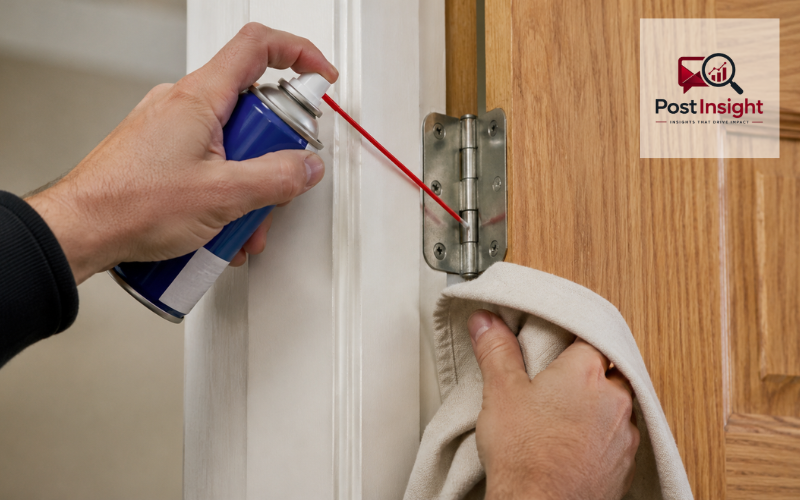
A squeaky door is one of those small household problems that can become annoying very quickly. Every time the door opens or closes, the sharp sound from the hinge makes the whole room feel less comfortable. The good news is that most squeaky doors are easy to fix at home, and you usually do not need expensive tools or professional help.
In most cases, a door squeaks because the hinges are dry. When the metal parts of the hinge rub against each other without enough lubrication, they create friction. This friction produces the squeaking sound. Dirt, dust, old grease, rust, loose screws, and slight door misalignment can also make the noise worse.
Learning how to fix squeaky door problems is helpful because the solution is often simple. A little cleaning, the right lubricant, and a few minutes of careful work can make the door quiet again. Before you start, it is important to understand where the sound is coming from so you can fix the real cause instead of only covering up the noise for a short time.
| Problem | Best Fix | Helpful Tip |
| Dry hinge | Apply white lithium grease or 3-in-1 oil | Use a small amount to avoid dripping |
| Dirty hinge pin | Remove and wipe the pin clean | Clean before lubricating for longer results |
| Light rust | Scrub with steel wool | Replace badly rusted hinges |
| No tools available | Apply petroleum jelly or bar soap | Best for temporary fixes |
| Door still squeaks | Check screws, frame, and hinge alignment | The noise may not be from the hinge |
Before applying oil or grease, open and close the door slowly and listen carefully. Most squeaks come from the hinges, but not all door noises are hinge problems. Sometimes the door rubs against the wooden frame, or the latch may scrape against the strike plate. Finding the source first saves time and helps you choose the right fix.
A hinge squeak usually sounds sharp and comes from the side of the door where the hinges are attached. You may hear the sound right when the door starts moving. If the noise comes from the top, bottom, or side of the frame, the door may be rubbing against the wood. This can happen when the door has sagged slightly or when the screws holding the hinges have become loose.
If the sound happens only when the latch enters or leaves the strike plate, the problem may be around the handle area instead of the hinges. In that case, lubricating the hinges may not solve the issue. Take a moment to test the door from different positions. This simple check helps you avoid using the wrong solution.
You do not need a large toolbox to fix most squeaky doors. For a basic hinge repair, a screwdriver, hammer, nail, rag, and pliers are usually enough. A small nail or thin screwdriver can help push the hinge pin upward, while pliers can help pull the pin out once it rises above the hinge.
For cleaning, keep a paper towel, cotton swab, or clean cloth nearby. If the hinge pin has rust or old buildup on it, steel wool or a light scouring pad can help clean the surface. Cleaning matters because adding fresh lubricant over dirt and old grease may only give temporary results.
For lubrication, the best choices are white lithium grease, silicone spray, or 3-in-1 oil. These products are commonly used for household hardware and can help the hinge move smoothly. If you do not have these items at home, you can use simple alternatives such as petroleum jelly, bar soap, or a small amount of cooking oil. These home remedies can work, but they may not last as long as proper hinge lubricants.
The most reliable way to fix squeaky door hinges is to remove and lubricate the hinge pin. Start by closing the door completely. This keeps the door steady while you work and reduces the chance of the door shifting. Do not remove all the hinge pins at once, because the door can become unstable. Work on one hinge at a time.
Place a nail or thin screwdriver at the bottom of the hinge barrel. Tap it gently with a hammer so the hinge pin moves upward. Once the pin rises enough, pull it out by hand or with pliers. If it feels stuck, do not force it too hard. Tap it a little more and move slowly.
After removing the pin, wipe it with a rag or paper towel. If you see rust, dirt, or old grease, clean it properly before adding lubricant. You can also use a cotton swab to clean inside the hinge barrel if it looks dirty. Once the pin is clean, apply a thin layer of lubricant. Do not use too much, because extra grease or oil can drip and collect dust.
Put the pin back into the hinge and tap it gently into place. Open and close the door several times so the lubricant spreads inside the hinge. Repeat the same process on the other hinges if needed. This method often gives a longer-lasting result than simply spraying the outside of the hinge.
Choosing the best lubricant for squeaky door hinges depends on how long you want the fix to last and how clean you want the repair to be. White lithium grease is one of the best options for a longer-lasting result. It stays on the metal better than light sprays and works well for hinges that make noise because of friction.
Silicone spray is another good choice. It is clean, easy to apply, and works well on many types of door hardware. It can be useful when you want smooth movement without leaving a heavy greasy layer. However, you should still wipe away any extra spray so it does not attract dust.
3-in-1 oil is also a practical option for squeaky doors. A few drops can reduce friction and help the hinge move quietly. It is easy to use and works well for light household repairs.
Many people use WD-40 for squeaky doors. WD-40 can help loosen parts and reduce noise for a short time, especially if the hinge is dirty or slightly stuck. However, it may not last as long as white lithium grease, silicone spray, or 3-in-1 oil because it is lighter and can dry out faster. For a quick fix, it can help. For a longer-lasting fix, a heavier lubricant is usually better.
Sometimes you may want to fix a squeaky door without taking it apart. This is useful when you do not have tools, the hinge pin is difficult to remove, or you only need a quick repair. In this case, apply lubricant directly into the small gaps of the hinge.
Open the door slightly so you can reach the hinge area. Place a cloth or paper towel under the hinge to catch drips. Spray or apply a small amount of lubricant along the hinge seams, especially where the metal parts move against each other. Then open and close the door several times. This movement helps the lubricant work its way inside the hinge.
After testing the door, wipe away extra oil or grease from the hinge, paint, and floor. This keeps the area clean and prevents dust from sticking to the lubricant. This method can work well for light squeaks, but if the noise returns quickly, you may need to remove the hinge pin and clean it properly.
If you want to know how to fix squeaky door hinges without removing the pin, the process is simple. Use silicone spray, 3-in-1 oil, or white lithium grease and apply it along the hinge joints. Try to aim for the small spaces where the hinge parts rotate.
Move the door back and forth slowly after applying the lubricant. Do not slam it or move it too fast. The goal is to help the lubricant spread inside the hinge. If the squeak becomes quieter but does not fully stop, apply a little more and continue moving the door.
Use a cloth around the hinge to protect the door surface and nearby flooring. This is especially important if the door is painted, stained, or located over carpet. Too much lubricant can leave marks or collect dirt later.
This no-removal method is good for quick repairs, but it may not solve every squeak. If the hinge pin is rusty, dirty, or covered in old grease, the noise may come back. In that case, removing the pin, cleaning it, and lubricating it properly will give better results.
You do not need WD-40 to fix a squeaky door. In many cases, other products are better for long-term hinge care. White lithium grease is a strong option because it stays in place and reduces metal-on-metal friction. It is especially useful for doors that are used often.
Silicone spray is also a good choice if you want something clean and easy to apply. It works well for many household hinges and does not feel as heavy as grease. For simple indoor doors, 3-in-1 oil can also work very well. A few drops on each hinge may be enough to quiet the squeak.
If you do not have these lubricants, try petroleum jelly or bar soap. Petroleum jelly can be rubbed onto the hinge seams or applied to the hinge pin if you remove it. Bar soap can be rubbed over the moving parts of the hinge to create a light coating. These options are helpful when you need a fast home solution and do not want to use WD-40.
Home remedies can be helpful when you want to stop a squeak quickly and do not have proper lubricant nearby. Petroleum jelly is one of the easiest options. Apply a small amount to the hinge area and move the door several times so it spreads into the moving parts.
Bar soap is another simple choice. Rub a slightly damp bar of soap along the hinge joints. It creates a thin layer that can reduce friction. This method is less messy than oil and can work well for small squeaks.
Cooking oil can also be used as a temporary fix. Apply only a tiny amount with a cotton swab or cloth. Too much cooking oil can drip, smell, or attract dust, so use it carefully. While these remedies can help, they usually do not last as long as proper lubricants. They are best for short-term use until you can clean and lubricate the hinge more thoroughly.
A squeaky door often returns when the hinge is not cleaned before lubrication. Old grease, dust, and rust can build up over time. When these materials stay inside the hinge, they create rough movement and noise.
If you remove the hinge pin, wipe it carefully with a clean rag. Look for dark buildup, rough spots, or orange rust. Light rust can often be removed with steel wool or a scouring pad. Clean the pin until it feels smoother, then wipe away any loose particles before adding lubricant.
The hinge barrel can also collect dirt. A cotton swab can help clean the inside area if it is easy to reach. Avoid using too much water, especially on metal hinges, because moisture can lead to more rust.
If a hinge is badly rusted, bent, or damaged, lubrication may not be enough. In that case, replacing the hinge may be the better solution. A clean and smooth hinge will always give better results than one filled with old buildup.
Not every squeaky door is caused only by dry hinges. Loose screws can also create noise. When screws loosen, the door may shift slightly. This can make the hinge move unevenly or cause the door to rub against the frame.
Use a manual screwdriver to tighten the screws on each hinge. Check the screws on both the door side and the frame side. If the screws keep turning without tightening, the screw holes may be worn. In that situation, longer screws may help secure the hinge more firmly into the door frame.
Also check whether the door is sagging. If the top of the door looks too close to the frame, or if the bottom rubs against the floor or side frame, alignment may be part of the problem. Tightening the hinge screws may fix minor sagging. If the door is badly out of alignment, it may need more adjustment.
Fixing loose screws is important because lubrication alone will not solve a rubbing or sagging door. A quiet door needs smooth hinges and proper alignment.
If the door still squeaks after cleaning and lubricating the hinges, look for other causes. First, check whether the hinges are bent. A bent hinge can make the door move unevenly, which creates friction and noise. If the hinge looks damaged or the metal loops do not line up properly, it may need adjustment or replacement.
Next, check if the door is rubbing against the frame. Look for shiny marks, worn paint, or areas where the wood looks scratched. These signs show where the door is making contact. A rubbing door may need hinge tightening, slight adjustment, or repair to the frame area.
You should also inspect the latch and strike plate. If the squeak or scrape happens near the handle, the latch may be rubbing as it enters the metal plate. Tightening the plate screws or making a small adjustment may help.
If the hinges are old, rusty, or damaged, replacing them can be the most practical fix. A new hinge is usually inexpensive and can make the door move more smoothly.
One common mistake is removing all the hinge pins at the same time. This can make the door unstable and difficult to control. Always work on one hinge at a time, especially with heavy doors.
Another mistake is using too much lubricant. More lubricant does not always mean better results. Extra oil or grease can drip, stain surfaces, and collect dust. A thin, even layer is usually enough.
Some people spray lubricant on a dirty hinge and expect the problem to disappear permanently. This may quiet the door for a short time, but dirt and rust can keep causing friction. Cleaning the hinge pin gives a better result.
It is also important to wipe away excess lubricant after the repair. Leaving the hinge wet or greasy can make the area messy and attract more dust. Finally, do not assume every squeak comes from the hinge. Always check the frame, screws, latch, and alignment if the noise continues.
Knowing how to fix squeaky door problems can save time and make your home feel more comfortable. In most cases, the best solution is to find the source of the noise, clean the hinge pin, apply the right lubricant, and test the door by opening and closing it several times.
Quick fixes like petroleum jelly, bar soap, cooking oil, or spraying lubricant into the hinge can help when you need a fast result. However, proper cleaning and lubrication usually last longer. White lithium grease, silicone spray, and 3-in-1 oil are better choices for a smoother and quieter hinge.
If the door still squeaks after lubrication, check for loose screws, rust, bent hinges, rubbing, or latch problems. A squeaky door may seem like a small issue, but fixing it properly can prevent more wear on the door and hardware. With a few simple steps, you can keep your door quiet, smooth, and easy to use for a long time.
White lithium grease is usually the best long-lasting option for squeaky door hinges. Silicone spray and 3-in-1 oil also work well for smooth movement and simple home repairs.
Yes, you can apply lubricant directly into the hinge gaps and move the door back and forth. This works for light squeaks, but removing the pin gives better results.
WD-40 can stop a squeaky door quickly, but it may not last as long as heavier lubricants. For a longer fix, use white lithium grease or 3-in-1 oil.
Use white lithium grease, silicone spray, 3-in-1 oil, petroleum jelly, or bar soap. These options reduce friction and help the hinge move quietly without needing WD-40.
If the door still squeaks, the hinge may be dirty, rusty, bent, or loose. The door may also be rubbing against the frame or the latch plate.
Disclaimer: This article is for general home maintenance information only. Always use tools and lubricants carefully, follow product instructions, and seek professional help if the door is heavy, damaged, misaligned, or unsafe to repair yourself.


