
 11
11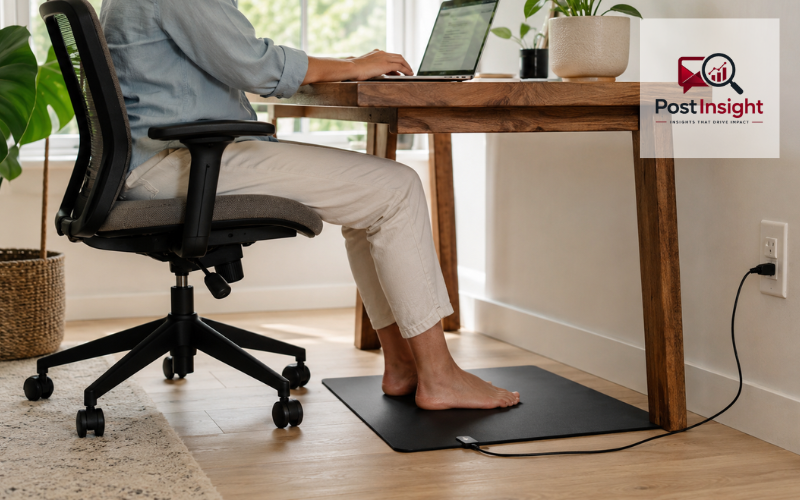
A grounding mat is a conductive surface designed to connect the body to the Earth’s electrical ground while a person is indoors. It is also commonly called an earthing mat. People may place one under their bare feet while working, rest their hands on it, sit on it during meditation, or use a larger version in bed.
The idea comes from outdoor grounding, which means making direct skin contact with natural surfaces such as grass, soil, sand, or stone. Supporters believe that connecting with the Earth’s natural electrical charge may influence sleep, stress, discomfort, and general well-being. However, these proposed health effects have not yet been confirmed through enough large, independent, high-quality studies.
Some small human studies and early research have reported changes in sleep, pain, stress, inflammation-related measures, and blood properties. At the same time, medical experts note that the overall evidence remains limited and that many claims are stronger than the available research can support.
This guide explains what a grounding mat is, how it works, what benefits people commonly seek, and what safety steps matter before using one. The aim is to provide a practical and balanced overview without treating grounding as a proven cure or replacement for medical care.
| Feature | What to Know |
| Main purpose | Creates an indoor connection to the Earth’s electrical ground |
| Common uses | Sleeping, desk work, meditation, relaxation, and recovery routines |
| Popular formats | Small desk mats, floor mats, bed mats, sheets, and travel mats |
| Possible benefits | Better relaxation, improved sleep, reduced soreness, and general comfort |
| Evidence level | Early research is promising, but strong scientific proof is still limited |
| Main safety step | Test the outlet before connecting the mat |
| Best contact method | Place clean, bare skin directly on the conductive surface |
| Medical caution | Ask a healthcare professional if you use blood thinners or an implanted medical device |
A grounding mat is usually made from a conductive material, such as carbon-infused rubber, vinyl, leather-like fabric, or another material capable of carrying a small electrical charge. A cord connects the mat to a grounded outlet or, in some cases, to a grounding rod installed directly in the soil outside.
When bare skin touches the mat, the user is connected to the electrical ground through the conductive surface and cord. Socks, thick clothing, bedding, or other non-conductive materials may weaken or prevent direct contact, depending on the product.
People use grounding mats in several ways. A compact mat may sit under a desk for the feet, while a larger grounding mat for bed use may be placed over or beneath a fitted sheet. Other users place a mat on a couch, meditation area, or work surface.
Outdoor grounding is simpler because the skin directly touches the Earth. Indoor grounding attempts to create a similar electrical connection through a properly grounded system. It has become popular partly because many people spend most of their time inside and may not have regular access to safe outdoor areas where they can walk barefoot.
The growing interest also reflects a wider trend toward low-effort wellness practices. A grounding mat is reusable, does not require exercise, and can be used while completing normal daily activities. These practical features help explain its popularity, even though the medical value remains uncertain.
Most indoor grounding mats use a cord designed to connect only with the ground port of a properly wired electrical outlet. In many outlet designs, this is the round third opening. The mat is not intended to connect to the live power supply in the way an appliance does.
The grounding cord creates a conductive route between the mat and the building’s grounding system. That grounding system should eventually connect to the Earth. When the user touches the mat, supporters describe the body as reaching the same electrical potential as the ground.
This does not mean a grounding mat sends normal household electricity through the body. A correctly designed mat uses the grounding connection rather than the live and neutral power connections. Even so, safe operation depends on the outlet being wired correctly and having a functioning ground.
That is why an outlet should be tested before the mat is connected. An outlet may have three openings but still lack a proper ground, especially in an older property or a building with poor electrical work. A simple plug-in outlet tester can identify some common wiring problems, although serious concerns should be checked by a qualified electrician.
The cord should also be inspected for damage, loose parts, exposed wire, or signs of wear. Electrical safety organizations advise replacing damaged electrical equipment and avoiding loose, unsafe, or poorly certified connections.
The most widely discussed grounding mat benefits include better sleep, reduced stress, less pain, improved recovery, and a greater sense of comfort. These are possible or reported benefits rather than guaranteed results.
Sleep is one of the main reasons people try grounding. An early study involving grounding during sleep reported changes in nighttime cortisol patterns, together with participant reports of better sleep and reduced stress or pain. However, the study was small, and its findings need confirmation through larger and more independent trials.
Pain and inflammation are also common areas of interest. Some early research has explored changes in pain, immune activity, and inflammation-related markers after grounding. One study involving delayed-onset muscle soreness reported differences between grounded and ungrounded participants. Still, preliminary findings cannot prove that a grounding mat treats arthritis, chronic pain, injuries, or inflammatory disease.
Athletes may use grounding products after training in the hope of easing soreness or supporting recovery. A small amount of research has examined muscle discomfort and recovery measures, but there is not enough strong evidence to recommend grounding as a standard sports-recovery treatment.
Other users simply describe feeling calmer or more comfortable. This experience may be meaningful to the individual, but it can be difficult to separate the effects of grounding from rest, expectation, relaxation, improved bedtime habits, or other lifestyle changes.
A grounding mat may therefore be approached as an optional wellness tool. It should not be presented as a treatment for insomnia, anxiety, inflammation, circulation problems, or any other medical condition.
A grounding mat for humans may appeal to people who spend long hours indoors. Office workers often place a small mat under their desks so their bare feet can touch it while they work. This allows them to use the product without changing their daily schedule.
People who have difficulty relaxing at night may also try grounding during their bedtime routine. They may combine it with reduced screen use, quiet reading, gentle stretching, or regular sleep hours.
Athletes and physically active adults sometimes use grounding mats after exercise. Their goal may be to reduce soreness, improve relaxation, or support recovery. These users should still rely on established recovery practices, including suitable rest, hydration, nutrition, gradual training, and medical assessment for injuries.
Grounding products also attract people interested in natural or complementary wellness routines. A user may view the mat in the same general category as meditation cushions, light-therapy lamps, massage tools, or sleep accessories.
People who cannot comfortably walk barefoot outdoors may see a grounding mat as a convenient alternative. Outdoor surfaces may be too cold, hot, rough, dirty, or unsafe. An indoor mat offers more control, but it does not provide the movement, sunlight, fresh air, or time in nature that may also contribute to the positive feelings associated with outdoor grounding.
The honest answer to do grounding mats really work is that some early studies and user reports suggest possible effects, but the evidence is not strong enough to confirm broad health claims.
Published grounding studies have explored sleep, cortisol, pain, inflammation, mood, blood viscosity, heart-rate variability, and other measures. Some have reported positive findings. For example, a small study found changes in the surface charge and clumping behavior of red blood cells after two hours of grounding. This is scientifically interesting, but it does not prove that grounding prevents heart disease or improves long-term cardiovascular health.
Research quality is an important issue. Many grounding studies have involved small groups, short testing periods, subjective outcomes, limited replication, or researchers who strongly support the grounding theory. These factors do not automatically make the results false, but they reduce confidence and increase the need for independent confirmation.
A 2024 animal study also examined how earthing mats affected sleep-related measures in rats. Animal research may help researchers investigate possible mechanisms, but findings in rats cannot be assumed to apply directly to people.
User experiences are also mixed. Some people report sleeping more deeply, feeling calmer, or noticing less discomfort. Others notice no clear difference. Personal reviews can show how a product fits into daily life, but they cannot establish medical effectiveness.
The safest conclusion is that grounding remains an experimental complementary practice. A person may try it carefully for comfort or relaxation, but should not stop medication, delay diagnosis, or replace professional treatment with a grounding mat.
A grounding mat for bed is designed for longer contact during sleep. Some products cover only part of the mattress, while others are made as larger sheets or mattress pads.
The main claimed grounding mat for bed benefits are easier relaxation, better sleep quality, less morning stiffness, and reduced nighttime discomfort. An early human study linked grounding during sleep with changes in cortisol rhythm and participant-reported improvements in sleep, stress, and pain. These results remain preliminary rather than conclusive.
Bed use may be attractive because it allows several hours of contact without requiring extra time. However, more contact does not automatically mean greater benefit. Beginners may prefer shorter daytime sessions before deciding whether overnight use feels comfortable.
Before placing a mat on a mattress, read the manufacturer’s instructions. Some mats require direct skin contact, while others may work through a thin cotton sheet. Thick mattress protectors, heavy pajamas, or non-conductive fabrics may prevent effective contact.
Comfort also matters. A firm rubber or vinyl mat may feel warm, sticky, or noticeable beneath the body. It should lie flat without creating folds, pressure points, or a trip hazard near the bed.
Keep the grounding cord away from walking paths, pets, adjustable bed parts, and areas where it could be pulled or damaged. Never use a product with a cracked mat, damaged connector, or exposed wire.
Desk use is often the easiest way to begin. A small mat can be placed flat on the floor with bare feet resting on it. This setup allows the user to try grounding for a limited period while remaining awake and able to notice discomfort.
Some people place their hands or forearms on a mat positioned on a desk. This can be convenient, but the surface should not interfere with computer ventilation, create static-related concerns for sensitive equipment, or cause liquids to be placed near electrical connections.
A grounding mat may also be used during meditation, breathing exercises, or quiet reading. In these situations, relaxation may come from several parts of the routine, including stillness, slow breathing, reduced screen exposure, and a calm environment. It is therefore sensible not to attribute every positive feeling to the mat alone.
For beginners, a simple routine is best. Test the outlet, inspect the mat, connect it according to the instructions, and begin with a short comfortable session. There is no well-established medical dose or required number of minutes because grounding has not been validated as a clinical treatment.
Tracking sleep, discomfort, mood, or relaxation for a few weeks may help a user judge whether the mat makes a noticeable difference. Avoid changing several wellness habits at the same time, because that makes it difficult to know which change is responsible.
The first safety step is confirming that the outlet is properly grounded. Use a suitable outlet tester before connecting the mat. Do not assume that a three-prong outlet is correctly wired.
Avoid using the mat if the outlet feels loose, becomes warm, makes noise, produces sparks, or shows discoloration. Stop using any cord that is crushed, cut, frayed, or damaged. Have questionable wiring checked by a qualified electrician.
Keep the mat and connector dry unless the manufacturer clearly states that the product is designed for a specific type of moisture exposure. Electrical safety devices such as ground-fault circuit interrupters are especially important in areas where electricity and water may come close together.
People with a pacemaker, implanted defibrillator, insulin pump, or another electronic medical device should ask their healthcare provider and device manufacturer before using unfamiliar electrically connected products. Implantable devices can have specific electromagnetic compatibility requirements, and advice should be based on the exact device rather than general online claims.
People taking anticoagulants or prescription blood thinners should also seek medical advice before regular use. This caution is not proof that a grounding mat changes medication effects. It reflects the fact that some small grounding studies have discussed changes in blood-related measurements, while reliable clinical guidance remains limited.
Children, older adults, people with reduced sensation, and anyone unable to inspect the product independently may need supervision. Stop use immediately if the mat causes pain, burning, shocks, skin irritation, dizziness, palpitations, or other concerning symptoms.
Grounding mats are often described as gentle and non-invasive, but that does not mean every experience should be ignored. Some users report mild tingling, warmth, tiredness, vivid dreams, or temporary changes in how they feel.
These reports are personal experiences rather than established medical side effects. Tingling may also come from posture, pressure on a nerve, anxiety, skin sensitivity, a damaged product, or an electrical problem. It should not automatically be interpreted as proof that the mat is working.
Claims about a “detox reaction” deserve particular caution. There is no strong clinical evidence showing that grounding mats remove toxins from the body or cause a medically recognized detox period. Symptoms such as fatigue, headache, nausea, or dizziness should not be dismissed as a healthy adjustment response.
A user who feels unwell should disconnect the mat and check the equipment and outlet. Persistent or serious symptoms require appropriate medical advice. Anyone who feels an electrical shock should stop use immediately and have the electrical system inspected.
Skin irritation is another possible concern, especially with synthetic materials, heat, sweat, cleaning products, or long periods of contact. The mat should be kept clean according to the manufacturer’s directions and allowed to dry fully before reuse.
The best grounding mat is not necessarily the most expensive or the one making the strongest health claims. It is the product that suits the intended use, provides clear safety information, and comes from a responsible seller.
Start with size. A small mat may be enough for desk use, while sleep use requires a larger surface. Travelers may prefer a thin, portable design that is easy to clean and pack.
Material affects comfort and care. Rubber-style mats are often durable and easy to wipe, while fabric-based products may feel softer. Check whether the surface contains latex or other materials that could trigger sensitivity.
The grounding cord should appear strong, fit securely, and be designed specifically for the product. Look for clear instructions explaining which outlet port it uses and how the mat should be tested. An included outlet tester can be useful, but it must be suitable for the local outlet type and electrical system.
Consider the return policy and warranty. Because some users feel no noticeable benefit, a reasonable trial or return period can be more valuable than dramatic advertising.
Be cautious of sellers promising to cure disease, replace medication, reverse aging, remove toxins, or guarantee results. These claims go beyond the current evidence.
People often search for a grounding mat Amazon listing or read grounding mat Reddit discussions before buying. Both can provide useful practical details, but neither should be treated as medical proof.
On retail platforms, focus on verified reviews that discuss construction quality, comfort, cord length, cleaning, durability, and customer support. Read a mix of positive, neutral, and negative reviews instead of relying only on the overall star rating.
Long-term reviews are especially useful. A mat that feels fine on the first day may later crack, lose conductivity, develop connection problems, or become difficult to clean.
On Reddit and other discussion forums, users may describe detailed personal experiences. These posts can help identify common setup mistakes or realistic expectations. However, the identity, health history, product use, and accuracy of the writer cannot always be confirmed.
Be careful with reviews that use highly dramatic language, repeat marketing claims, or provide discount codes and affiliate links. Compare several sources and place more weight on safety, product quality, and transparent policies than on personal medical testimonials.
One of the most important mistakes is connecting a mat without testing the outlet. A grounding product depends on a correct electrical ground, so skipping this step creates unnecessary risk.
Another mistake is expecting an immediate medical result. Some people notice no change, while others may feel more relaxed simply because they are resting or following a calmer routine.
Buying only because a product is popular can also lead to disappointment. A high sales rank does not confirm health benefits, electrical quality, or suitability for a particular home.
Users should not ignore instructions about cleaning, direct skin contact, cord placement, storage, or damaged parts. Homemade adapters and modified grounding cords should also be avoided.
Most importantly, do not use a grounding mat as a substitute for medical care. Sleep problems, ongoing pain, swelling, fatigue, anxiety, numbness, circulation changes, or heart symptoms may need proper assessment. A wellness product should never delay that process.
A grounding mat is an indoor product designed to create an electrical connection between the body and the Earth’s ground. People use it while working, resting, meditating, or sleeping, often in the hope of improving relaxation, sleep, soreness, or general comfort.
Early studies have produced some interesting findings, but current research remains too limited to confirm many of the health claims associated with grounding. High-quality independent studies involving larger groups and longer follow-up periods are still needed.
Trying a grounding mat may be reasonable for a healthy adult who understands the limitations, follows the instructions, and confirms that the outlet is safely grounded. Results should be judged realistically rather than through advertising promises.
The most useful approach is simple: choose a well-made product, test the electrical connection, begin carefully, and pay attention to how you feel. A grounding mat may become a comfortable part of a relaxation routine, but it should remain a complementary choice rather than a proven medical solution.
A grounding mat creates a conductive connection between your body and the Earth’s electrical ground while indoors. People often use it during sleep, desk work, meditation, or relaxation.
Some small studies and personal reports suggest possible benefits for sleep, stress, pain, and recovery. However, current scientific evidence is limited, so results may differ from person to person.
Many products are designed for overnight use, but the outlet must be properly grounded and the mat should be used according to its instructions. Beginners may prefer shorter sessions first.
Grounding mats are generally considered low-risk when correctly made and connected to a properly grounded outlet. Never use damaged cords, faulty outlets, or a mat that produces shocks.
There is no proven timeline. Some users report changes within days, while others notice little or no difference. Track your sleep, comfort, and stress without expecting guaranteed medical results.
Disclaimer: This article is provided for general educational and informational purposes only. It does not offer medical diagnosis, treatment, or professional electrical advice. Grounding mat benefits are not fully proven, and individual results may vary. Consult a qualified healthcare professional before use if you have a medical condition, take prescription blood thinners, or use an implanted medical device. Have uncertain or faulty wiring inspected by a licensed electrician.


