
 11
11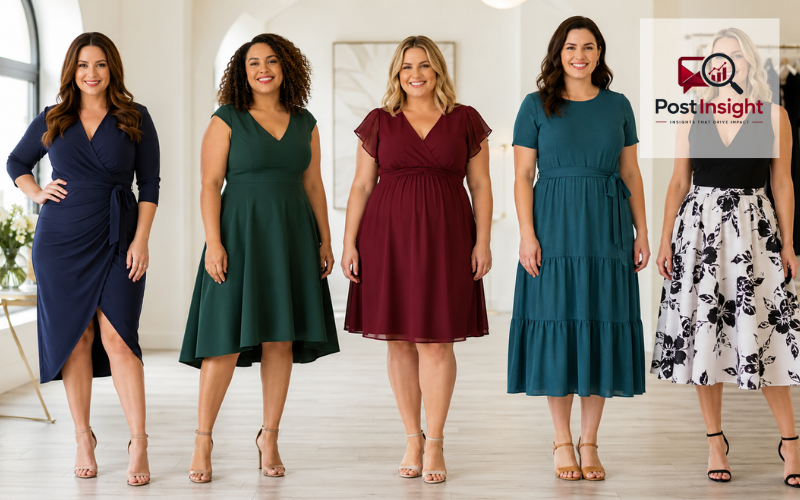
Learning how to dress for body type is not about changing your body or following a strict set of fashion rules. It is simply a way to understand your proportions so you can choose dresses that fit more comfortably and create the look you want. A dress can draw attention to the waist, create a longer visual line, add softness to a straight frame, or balance the upper and lower body.
Body-shape styling usually compares the shoulders or bust with the waist and hips. From there, different dress cuts, necklines, sleeves, and waist placements can be used to highlight favorite features. Current styling guidance also stresses that these categories are only starting points. Personal comfort, lifestyle, and self-expression matter more than fitting perfectly into one label.
This guide covers the five commonly used shapes: hourglass, pear, apple, rectangle, and inverted triangle. It also explains formal, casual, and midi dresses, age-related comfort choices, and proportion-based dressing for men.
| Body Type | Main Features | Recommended Dress Styles | Helpful Details |
| Hourglass | Balanced shoulders and hips with a defined waist | Wrap, sheath, bodycon, fit-and-flare | Belts, V-necks, sweetheart necklines |
| Pear | Hips wider than shoulders | A-line, fit-and-flare, empire, maxi | Statement sleeves, boat necks, detailed bodices |
| Apple | Fuller torso with slimmer hips or legs | Empire, wrap, shift, soft A-line | V-necks, vertical details, gentle ruching |
| Rectangle | Shoulders, waist, and hips are similar | Belted, peplum, tiered, fit-and-flare | Pleats, ruffles, panels, waist definition |
| Inverted Triangle | Shoulders wider than hips | A-line, pleated, tulip, fuller skirts | Simple tops, V-necks, lower-body volume |
Start by looking at the relationship between your shoulders, bust, natural waist, and fullest part of your hips. Do not use weight or dress size alone. Two people who wear the same size can have very different proportions.
For more accuracy, wear light, close-fitting clothing and use a soft measuring tape. Measure around the fullest part of the bust, the narrowest part of the natural waist, and the fullest part of the hips. Keep the tape level with the floor, close to the body, and not pulled tight. Standing naturally and repeating the measurements can help reduce mistakes.
Use this simple proportion checklist as a basic “how to dress for your body type quiz”:
These are broad descriptions, not exact formulas. You may appear pear-shaped from the front but have a fuller bust, or you may sit between rectangle and hourglass. In that case, borrow styling ideas from both groups.
The most useful dress-for-body-type advice is based on visual balance. A defined waistband or shaped seam can bring attention to the middle. A full skirt can add volume below the waist, while an open neckline can break up a broad or full upper body. Vertical seams, front openings, long lapels, and uninterrupted colors can create a longer visual line.
Waist placement also changes the effect of a dress. A natural waist follows the body’s narrowest area. An empire waist sits just below the bust and allows the fabric to fall over the torso. A dropped waist lengthens the upper body but may reduce visible waist definition.
Fabric matters as much as cut. Stiff fabric holds a clear shape, while soft fabric drapes around curves. Neither is automatically better. The right choice depends on whether you want structure, movement, softness, or definition.
Above all, a dress should allow you to sit, walk, raise your arms, and breathe comfortably. A style may look balanced in a photograph but still be unsuitable if it restricts movement or requires constant adjustment.
An hourglass shape usually has shoulders and hips of similar width with a noticeably defined waist. Dresses that follow this natural balance often work well because they do not add unnecessary volume to only one side of the body.
Wrap dresses, sheath dresses, fit-and-flare styles, and carefully fitted bodycon dresses can all highlight the waist. V-neck, scoop, sweetheart, and neatly tailored necklines generally follow the shape without overwhelming it. Belts, princess seams, darts, and waist panels can make the natural waist easier to see.
A loose dress is not “wrong” for an hourglass figure, but a completely boxy cut may hide the feature you most want to show. When choosing an oversized style, try adding a belt or selecting a design with subtle shaping rather than excess fabric everywhere.
The fabric should also follow the body without pulling. A slightly stretchy material may work well for a fitted silhouette, while a structured woven fabric can create a cleaner sheath shape. Check that the dress fits both the bust and hips instead of choosing a smaller size only to emphasize the waist.
A pear or triangle shape usually has hips that are wider than the shoulders, often with a defined waist. The usual styling goal is to create more visual presence around the shoulders while allowing the skirt to move smoothly over the hips.
A-line and fit-and-flare dresses are dependable options because they fit closer at the top and widen below the waist. Empire dresses and softly flowing maxi dresses can also work when the fabric falls cleanly rather than gathering heavily at the widest part of the hips.
Boat, cowl, off-the-shoulder, and other statement necklines can draw the eye upward. Puff sleeves, cap sleeves, shoulder details, and structured bodices may add balance. On the lower half, look for skirts that skim instead of pulling across the hips.
Correct sizing is important. A dress that fits the waist but strains at the hip will not hang as intended. Consider buying for the hip measurement and having the waist adjusted when necessary.
Bold colors, prints, embroidery, or texture near the neckline can also shift attention upward. However, these details are optional. A simple top and flowing skirt may feel more comfortable for someone who prefers a quiet, minimal style.
An apple or round shape often carries more fullness through the bust, upper back, or middle, with less waist definition and comparatively slimmer hips or legs. A flattering dress for an apple body type does not need to hide the stomach. The aim can simply be to create a clean line and direct attention where you prefer.
Empire-waist dresses begin their shape below the bust and fall away from the midsection. Wrap dresses create diagonal movement, while shift and softly structured A-line dresses offer room without looking shapeless. V-necks and scoop necks open the upper body and create a longer central line.
Gentle ruching can soften the midsection, but very bulky gathering may add volume. Look for fabrics with enough weight to fall smoothly without clinging. Very thin jersey can sometimes catch on the body or show every layer underneath, while a lined knit or soft woven material may provide a smoother finish.
If you enjoy showing your legs, a knee-length or slightly shorter hem can make them a strong part of the outfit. A side slit on a midi or maxi dress can offer a similar effect while preserving more length.
A rectangle body shape has fairly similar measurements through the shoulders, waist, and hips. Some people with this frame prefer its clean, athletic line. Others use clothing to create more visible curves or waist definition.
Belted, peplum, X-line, tiered, and fit-and-flare dresses can shape the middle and add controlled volume around the bust or hips. Ruffles, pleats, side panels, curved seams, and small cutouts can break up a straight outline. Sweetheart, scoop, and asymmetrical necklines also add shape around the upper body.
The key is placement. Volume at both the shoulders and skirt can make the waist appear smaller, while a fitted waist with a fuller skirt adds lower-body shape. A contrasting belt or darker waist panel can produce a similar effect without adding fabric.
If you prefer a streamlined look, a straight column, slip, or shift dress can celebrate the rectangle frame rather than trying to change it. Body-shape dressing should help you create a chosen effect, not suggest that every straight figure needs artificial curves.
An inverted-triangle shape has shoulders or a bust that appear wider than the hips. Dresses can create balance by keeping the upper section relatively simple and adding movement, detail, or fullness below the waist.
A-line, pleated, peplum, tulip, and fuller-skirt dresses can give the lower half more presence. V-neck and scoop necklines break up the width of the chest. Some halter necklines also create a strong vertical effect, although very narrow straps or high necks may emphasize the shoulders on certain garments.
Color, texture, print, pockets, or pleats on the skirt can draw the eye downward. A darker or simpler bodice combined with a brighter skirt is another option.
Large shoulder pads, wide boat necks, cap sleeves that end at the widest part of the shoulder, and heavy sleeve decoration may make the top appear broader. These details are not forbidden, but they should be chosen intentionally when visual balance is the main goal.
When choosing a formal dress for your body type, begin with the event and dress code, then consider proportion. An A-line gown is adaptable because it defines the upper body and gradually widens toward the hem. Ball gowns create stronger lower-body volume, which can balance broad shoulders but may overwhelm a very small frame if the skirt is extremely large.
Mermaid and fit-and-flare gowns follow the torso and hips before widening near the knees or lower thigh. They often suit people who want to highlight curves, including many hourglass and pear shapes. Column and sheath gowns create a straighter line and may work well for rectangle shapes or anyone who prefers a clean, minimal look.
Empire gowns place the waist below the bust and can provide space through the middle. However, the seam must sit correctly. If it cuts across the fullest part of the bust or sits too low, the dress may appear poorly fitted.
Construction affects the result. Boning can support and shape the bodice, lining helps fabric hang more smoothly, and heavier materials hold a clearer silhouette. Neckline and sleeve choice should also account for support, movement, and the undergarments you plan to wear.
For weddings, evening parties, and formal dinners, test the dress while sitting, walking, and raising your arms. For professional events, make sure the neckline, hem, and overall finish suit the setting.
Formal dresses commonly need hemming, strap adjustments, bust alterations, or waist shaping. Judge the potential of the garment rather than expecting ready-to-wear sizing to fit every proportion perfectly.
A casual dress for body type should fit both your proportions and your daily routine. Shirt dresses are easy to adjust with buttons, sleeves, and belts. Wrap dresses offer flexible waist definition. T-shirt dresses provide a relaxed, straight shape, while sweater dresses may be fitted or loose depending on the knit.
Sundresses range from structured fit-and-flare styles to soft empire and slip shapes. Choose a design that works with your climate, preferred level of coverage, and daily activities rather than selecting it only because it is recommended for a particular shape.
When selecting a midi dress for your body type, pay attention to where the hem ends. “Midi” generally describes a length that falls below the knee and covers part of the lower leg. A hem that stops at the widest part of the calf can make the lower leg look shorter, while one that ends at a narrower point may create a cleaner line.
Shoes can change the effect without requiring heels. A low-cut shoe shows more of the foot, while an ankle strap creates a visible horizontal break. Belts can define the waist, and an open jacket or cardigan adds vertical lines.
Use linen and cotton for breathable warm-weather outfits, and denser knits or layered dresses when you need warmth. One midi dress can move from casual to polished with simple changes: sneakers and a denim jacket for daytime, loafers and a belt for work, or dressier shoes and jewelry for dinner.
Age does not decide which dresses you are allowed to wear. However, your preferences may change over time because of work, family life, climate, mobility, comfort, or the level of support and coverage you want.
Instead of following age-based rules, look at practical details. A wider, bra-friendly strap may feel more secure than a thin strap. A sleeve can provide warmth or sun coverage. A slightly higher neckline may suit a professional setting, while a side slit can make a longer dress easier to walk in.
Fabric quality becomes especially useful when you want a dress that holds its shape, resists transparency, and lasts through repeated wear. Soft linings, smooth seams, stretch panels, and easy fastenings can also make a noticeable difference to comfort.
Tailoring can refresh familiar styles at any age. Shortening a hem, lifting a shoulder, reshaping a waist, or changing a sleeve can make a basic dress feel much more intentional. Modern shoes, a structured bag, or one current accessory can update an outfit without forcing you to abandon the silhouettes you already enjoy.
The best answer to how to dress for your body type and age is to combine proportion, comfort, personality, and the demands of your real life.
The idea of dressing for proportion also applies to men. Common guides describe rectangle, triangle, oval, trapezoid, and inverted-triangle frames. These labels refer to the relationship between the shoulders, chest, waist, and hips rather than weight alone.
For a triangle frame, a structured jacket can add definition at the shoulders. Rectangle frames may use layers, tapered trousers, and jackets with shape to create more contrast between the chest and waist.
Oval frames often benefit from clean vertical lines, properly sized shirts, and trousers that sit securely without squeezing. Trapezoid frames usually fit standard tailoring more easily, while inverted-triangle frames may need extra room through the chest with a controlled taper below.
Jacket length, lapel width, trouser rise, and shirt fit should match the person’s scale. Patterns and lighter colors attract attention, while darker and simpler areas tend to appear quieter.
Whatever the frame, good shoulder fit and suitable alterations matter more than the body-type label. A jacket that fits correctly across the shoulders will usually look more polished than a recommended style that is too tight or too loose.
One common mistake is deciding your shape from weight or clothing size. Body shape is about relative proportions, and those proportions do not always change in the same way when weight changes.
Another mistake is choosing the recommended silhouette in the wrong size. An A-line dress cannot drape well if it pulls across the bust, and a wrap dress may not sit securely if the bodice is too short or small. The label inside the dress matters less than how the garment fits your actual body.
Fabric and construction are also easy to overlook. Two dresses with the same silhouette can behave very differently if one is made from stiff taffeta and the other from soft jersey. Seams, lining, stretch, zippers, and waist placement all influence the final appearance.
Do not assume that every loose dress hides the body or that every fitted dress highlights it well. A loose garment can look elegant when it has good drape and intentional structure. A fitted garment can look uncomfortable when it pulls, twists, or creates strain around the seams.
Most importantly, do not keep a dress simply because a chart says it suits your body type. If it pinches, shifts, limits movement, or makes you feel unlike yourself, it is not the right choice.
Body-shape advice should make shopping easier, not turn personal style into another set of restrictions.
Understanding how to dress for body type can give you a useful starting point when comparing silhouettes, necklines, sleeves, waistlines, and skirt shapes. It can explain why one dress feels balanced while another needs a different size, fabric, or alteration.
Still, hourglass, pear, apple, rectangle, and inverted triangle are broad categories—not permanent labels or strict fashion rules. Try the commonly recommended styles, but also experiment with cuts that appeal to you.
The most successful dress is one that fits properly, supports your daily needs, highlights what you enjoy, and lets your personal style remain visible. Comfort, balance, and confidence should always matter more than matching a body-shape chart perfectly.
Compare the width of your shoulders, bust, waist, and hips. Measurements can help, but body type is based on overall proportions rather than weight, height, or clothing size.
A-line and wrap dresses suit many body types because they create waist definition and allow the fabric to fall smoothly. However, the correct size and fabric are equally important.
Yes. Weight changes, pregnancy, aging, exercise, and hormonal changes can affect body proportions. Rechecking your measurements occasionally can help you choose clothing that fits your current shape.
No. Body-shape guidance is only a starting point. You can wear any style you enjoy, especially when the dress fits well, feels comfortable, and reflects your personality.
Yes. Height, torso length, and leg proportions can change where a waistline or hem falls. Petite and tall shoppers may benefit from adjusted lengths or professional alterations.
Disclaimer: This article provides general styling guidance only. Body-shape categories are flexible, and personal comfort, fit, confidence, and individual preference should always guide clothing choices.