 11
11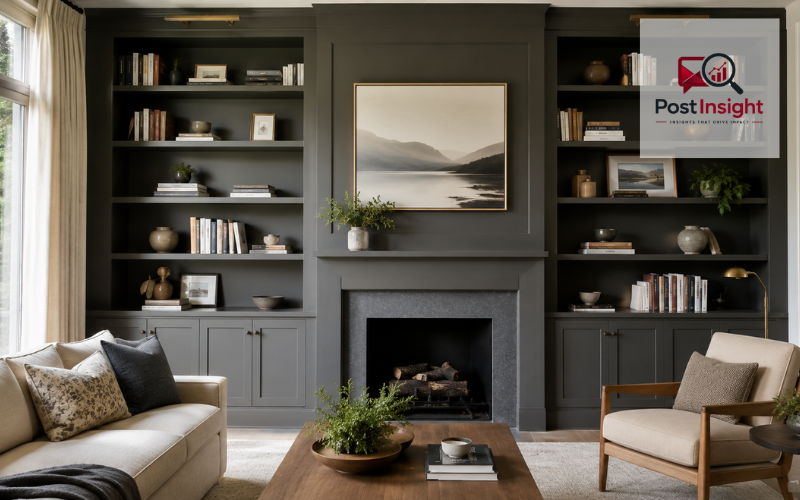
These shelves can hold much more than books. They can display artwork, family photographs, plants, baskets, and decorative objects while hiding less attractive items inside drawers or cabinets. They are commonly added to living rooms, bedrooms, home offices, fireplace walls, television areas, window seats, and unused corners.
A successful design begins with more than choosing a paint color. You need to consider the wall size, shelf depth, storage needs, materials, installation method, lighting, budget, and long-term use. The following guide explains how to plan built in bookshelves that look balanced, work well, and suit the way you use your home.
| Option | Best For | Main Benefit | Important Consideration |
| Floor-to-ceiling shelves | Living rooms and home libraries | Maximum storage and visual impact | Upper shelves may require a ladder or step stool |
| Shelves with lower cabinets | Family rooms and bedrooms | Combines display space with hidden storage | Lower cabinets need more depth |
| Fireplace built-ins | Formal living rooms | Creates a balanced focal wall | Follow fireplace clearance and heat-safety rules |
| Built-ins with a TV | Entertainment rooms | Hides cables and organizes devices | Allow ventilation and space for future screen upgrades |
| Built-ins with a desk | Home offices and study areas | Combines work and storage space | Plan lighting, outlets, and legroom |
| IKEA bookcase hack | Budget-friendly DIY projects | Creates a semi-custom appearance for less | Units must be securely anchored to the wall |
| Under-stair shelves | Small or awkward spaces | Uses otherwise wasted space | Custom angles require accurate measurements |
Built in bookshelves make use of wall space that might otherwise remain empty. Because they can extend higher and wider than many standard bookcases, they offer generous storage without filling the room with separate pieces of furniture.
They can also turn a plain wall into a strong focal point. A full library wall creates drama, while smaller shelves around a window or fireplace make an existing feature feel more complete. In rooms with awkward corners, sloped ceilings, or narrow alcoves, custom shelving can turn difficult spaces into practical storage.
The visual effect is just as important as the extra space. Matching the shelves to the wall trim, doors, or cabinets helps the room feel connected and intentional. When the proportions are right and the shelves are not overcrowded, the entire area can look calmer, cleaner, and more organized.
A floor-to-ceiling library wall is one of the most striking options. It works especially well in a living room, office, or dining room with a long, uninterrupted wall. Upper shelves can hold books and display pieces, while the lower area can include cabinets for items that are better kept out of sight.
Shelving around a doorway uses vertical space without taking over the center of the room. The units can rise on both sides and continue above the opening, creating a framed effect. A similar idea works around a window, where two tall bookcases can be joined by a low bench to form a comfortable reading seat.
Under-stair shelving is useful where standard furniture will not fit. The design can follow the slope of the staircase and include open sections, drawers, or small cabinets. Narrow built-ins also work in hallways and shallow alcoves, although the shelf depth should be carefully planned so the walkway remains comfortable.
Start by measuring the full width and height of the wall. Note the positions of skirting boards, crown molding, windows, doors, outlets, light switches, vents, and heating units. These details affect where the shelves can begin and how deep they can be.
Symmetrical layouts create a formal and balanced appearance. They are often used on both sides of a fireplace, window, desk, or television. Asymmetrical shelves can feel more relaxed and may suit rooms where doors, windows, or furniture prevent an even arrangement.
Think carefully about what you need to store. Fully open shelving keeps everything visible, but it requires regular tidying. A combination of upper shelves and lower cabinets is often more practical because it provides display space and hidden storage.
The overall size should also match the room. A deep, dark wall of shelving may feel impressive in a large room but heavy in a compact one. Smaller rooms often benefit from shallower shelves, lighter finishes, and some visible wall space around the unit.
Built in bookshelves for living room walls should support the room rather than compete with it. A large installation may become the main focal point, so its width, color, and arrangement should relate to the sofa, rug, fireplace, and other large features.
A mix of storage usually works best. Books can be placed alongside framed art, plants, ceramics, and meaningful personal objects. Lower cupboards are useful for games, toys, extra cables, media equipment, and other items that can make a living room feel cluttered.
The finish should connect with the rest of the space. White or light neutral shelves can make the room feel bright, while natural wood adds warmth. Deep colors such as navy, charcoal, or forest green can create a stronger architectural statement.
Whatever finish you choose, leave some shelves partly empty. Open space prevents the display from feeling crowded and allows special objects to stand out. It also makes the built-in easier to update when your books, interests, or decorating style change.
Built-in bookshelves around a fireplace can create a classic and balanced feature wall. Matching units on both sides of the hearth often look natural because the fireplace becomes the center of the arrangement. The upper shelves may stop at mantel height, align with it, or continue to the ceiling.
Safety must guide the layout. Shelves, trim, cabinets, electronics, and decorative objects need suitable distance from heat and flame. Required clearances vary according to the fireplace type, model, surrounding materials, and local rules. The fireplace manufacturer’s instructions and applicable building or fire requirements should always be checked before construction.
NFPA 211 is one of the standards addressing the installation of chimneys, fireplaces, and solid-fuel appliances. However, the correct requirements for a particular home depend on the actual fireplace system and location. the base can hold media devices, games, or fireplace accessories. However, avoid placing heat-sensitive objects where temperatures may rise. It is also wise to plan access to controls, vents, inspection points, and electrical connections before the shelving is installed.
Built in bookshelves with TV space can organize an entertainment wall while reducing visible clutter. The television may sit in a central opening, above a lower cabinet, or on a separate wall-mounted bracket inside the built-in.
Plan the opening around more than the current screen. Leaving a little extra space around the television can make a future upgrade easier. The screen should also be placed at a comfortable viewing height for the main seating position rather than simply centered between the floor and ceiling.
Cable management is essential. Power cords, internet cables, speakers, and media devices need clear routes that remain accessible after installation. A removable back panel or cable opening can make future repairs and equipment changes much easier.
Electronic equipment produces heat, so enclosed cabinets should have suitable ventilation. Keep decorations around the television simple because too many small objects can make the wall feel busy and distract from viewing.
Built in bookshelves with cabinets provide a useful balance between open and hidden storage. The lower section is usually deeper because it may hold baskets, files, toys, electronics, or serving pieces. The upper shelves can be shallower, which reduces visual weight and makes displayed items easier to reach.
Hinged cabinet doors offer a clean and traditional look. Drawers are often better for smaller objects that might become lost at the back of a deep cabinet. Open cubbies can hold attractive baskets, although they still require some organization to avoid looking untidy.
Adjustable upper shelves are a practical choice when the contents may change over time. They allow space for tall art books, small paperbacks, vases, storage boxes, or framed photographs.
Cabinet hardware should suit the room’s style, but appearance is not the only consideration. Handles and knobs should be comfortable to use and strong enough for the size and weight of each door or drawer.
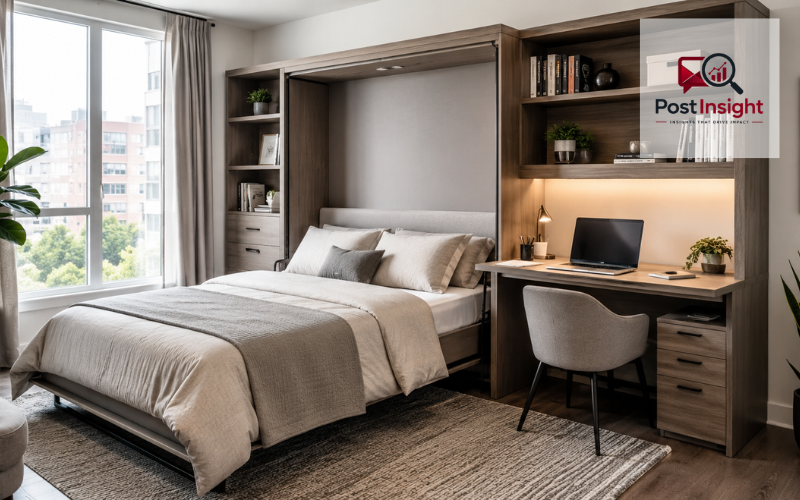
Built in bookshelves with desk space can turn one wall into a complete home office or study area. The desk may sit in the center with shelves on both sides, or it can be placed at one end of a longer storage wall.
Comfort matters as much as appearance. The work surface needs enough depth for a computer, writing space, and any equipment used regularly. There should also be comfortable legroom, a suitable chair position, and easy access to electrical outlets.
Task lighting can be added above the desk, while softer shelf lighting can improve the overall atmosphere. Plan the lighting before the unit is completed so wires and power supplies can be hidden safely.
Closed cabinets or drawers help control paperwork, chargers, stationery, and office equipment. Frequently used books should remain within easy reach, while decorative items can be placed higher. For a child’s study area, consider how the desk height and storage needs may change as the child grows.
Built-in bookshelves in a bedroom can frame a bed, window, dresser, or reading chair. Shelves around a headboard can provide convenient storage, but they must be securely built and arranged so heavy items are not positioned where they could fall onto the bed.
In a small room, shallow shelving is often more comfortable than full-depth cabinets. Light colors, simple trim, and some visible wall space can stop the installation from feeling too heavy. A narrow unit beside a window or in an unused corner may provide enough storage without covering an entire wall.
Lower drawers and cabinets can hold clothing, bedding, shoes, or personal belongings. This keeps the visible shelves available for books and decorative objects.
Soft integrated lighting may also work as a reading light, provided the fittings are properly installed and do not create glare. The aim is to add useful storage while keeping the bedroom calm, comfortable, and visually open.
A built-in bookshelves IKEA project usually begins with freestanding units such as BILLY bookcases. Several units can be placed together, raised on a secure base, and finished with filler strips, face frames, baseboards, and crown molding.
Once the gaps are covered and the whole installation is painted consistently, the separate bookcases can look more like fitted cabinetry. Doors may also be added to some sections to create hidden storage.
Safety should not be treated as a finishing detail. IKEA advises securing cabinets and tall furniture to the wall and using fixings suitable for the wall material. Its BILLY instructions also state that wall screws and plugs may not be included because the correct type depends on the wall. Professional advice is recommended when the wall construction is uncertain. educe cutting and cabinet-building work, but it still requires accurate measuring and careful trim installation. Building from plywood or MDF offers more control over size and shape, although it demands better tools and woodworking skills.
A professional is usually the safer choice when the design surrounds a fireplace, includes electrical work, supports very heavy loads, or requires major changes to the wall.
Many general-purpose bookshelves are around 10 to 12 inches deep, which suits most standard books. Deeper shelves may be useful for large art books, baskets, record collections, or display objects. Shallower shelves can work for paperbacks, photographs, and small decorative pieces.
Vertical spacing of roughly 10 to 14 inches covers many common book sizes, but adjustable shelves offer more flexibility. Before choosing fixed spacing, measure the tallest books and objects you intend to display.
Shelf span is equally important. A long shelf can bend under the weight of books, especially when made from thinner MDF or particleboard. Shorter spans, thicker material, strong front edging, and center supports can improve stiffness.
The correct construction depends on the shelf material, thickness, depth, expected load, and how it is fixed. Heavy books should be considered during the planning stage rather than after the shelves begin to sag.
Solid hardwood is strong and attractive, especially when the shelves will be stained. It is often the most expensive choice and can naturally expand or contract as indoor conditions change.
Hardwood plywood is made from layers with alternating grain directions. This construction improves panel stability and makes plywood a popular option for cabinets and shelving. urface that paints well and does not contain visible knots or grain. However, it is heavy, cannot provide a natural stained-wood appearance, and needs careful support when used across wider shelf spans.
Small finishing choices often determine whether built in bookshelves look truly custom. Face frames can cover raw panel edges and make separate sections appear connected. Baseboards and crown molding help the unit blend into the room, while fitted side panels hide uneven gaps along walls.
Integrated LED lighting can highlight books and objects without adding bulky lamps. Light strips may be hidden beneath shelves, behind front edges, or along the back of individual sections. The wiring, power supply, access points, and heat management should be planned before the final trim is installed.
Arched upper sections soften the usual square shape and can make the shelves feel more architectural. This detail works especially well in traditional, transitional, and Mediterranean-inspired interiors.
A monochrome finish, where the shelves, wall, trim, and backing share one color, creates a strong and unified look. Deep lower cabinets paired with slimmer upper shelves also add useful visual contrast.
Smooth caulk lines, filled nail holes, even paint, and clean joints complete the fitted appearance. These details may seem small, but they often separate an ordinary shelving project from one that looks professionally built.
The cost of built in bookshelves depends on the wall size, material, finish, cabinet details, lighting, labor rates, and condition of the room. Fully custom carpentry is generally the highest-cost route because each part is measured, built, fitted, and finished for the space.
Semi-custom bookcases with added trim can lower the cost. A from-scratch DIY project may reduce labor expenses, but it requires suitable tools, time, accurate measurements, and woodworking ability. Mistakes can quickly reduce the expected savings, especially when materials must be replaced.
After installation, avoid filling every inch. Leaving about 20 to 30 percent of the visible shelf area open can help the display breathe. Mix upright books with horizontal stacks, then add a limited number of larger objects.
Artwork or photographs can lean against the back, while smaller bowls, plants, or sculptures sit closer to the front. This creates depth and looks more natural than placing every object in one straight line.
Common mistakes include shelves that are too wide for their material, weak wall anchoring, blocked vents, inaccessible outlets, poor cable planning, and cabinets that interfere with doors or seating. Overcrowding is another frequent problem. A built-in should make the room feel more organized, not simply move clutter onto a wall.
The best built in bookshelves combine useful storage, safe construction, and a design that feels right for the room. Start with the wall, the items you need to store, and the way the space is used. Then choose a layout, shelf depth, material, and mix of open and closed storage that supports those needs.
A fireplace wall may require careful heat clearances, while a television wall needs cable routes and ventilation. A desk unit should focus on comfort and power access, and bedroom shelving should remain visually light and securely fixed.
Whether you choose custom carpentry, an IKEA-based project, or a from-scratch build, accurate planning matters more than decorative details alone. Measuring carefully and thinking about future storage needs can prevent many expensive changes later.
When the proportions are balanced and the shelves are styled with restraint, built in bookshelves can make a room feel finished, personal, and easier to live in.
Built in bookshelves can be worthwhile when you need permanent storage, want to improve an empty wall, or prefer a fitted appearance that suits the room’s layout and style.
Most built in bookshelves are around 10–12 inches deep. Deeper shelves may be better for large books, baskets, electronics, or decorative objects that require additional space.
Yes. IKEA bookcases can look built in when placed on a secure base and finished with filler panels, face frames, baseboards, crown molding, paint, and proper wall anchoring.
Hardwood plywood offers a strong balance of stability, durability, and appearance. MDF is suitable for painted projects, while solid hardwood works well for premium stained or natural finishes.
Well-designed built in bookshelves may improve a room’s function and appearance. Their effect on home value depends on construction quality, design, storage usefulness, and local buyer preferences.
Disclaimer: This article is provided for general informational and educational purposes only. Building requirements, fireplace clearances, electrical rules, wall structures, and installation methods may vary by location and property. Consult qualified professionals before making structural changes, completing electrical work, or installing shelving near heat-producing appliances.