
 11
11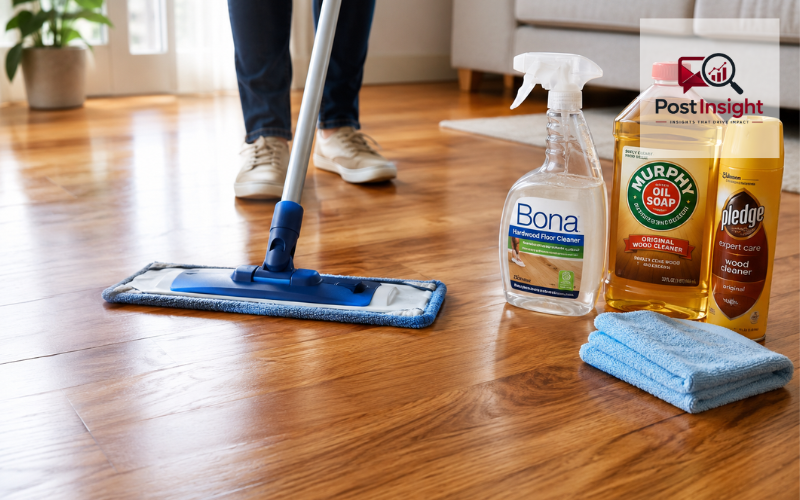
A hardwood floor cleaner is a cleaning product made especially for wooden floors. Its main job is to remove dust, dirt, light stains, footprints, and everyday mess without damaging the surface of the wood. Hardwood floors look beautiful, but they need gentle care because wood can react badly to too much water, strong chemicals, or rough cleaning tools.
Unlike tile or vinyl floors, hardwood floors usually have a protective top layer. This finish helps protect the wood from moisture, stains, and scratches. If you use the wrong cleaner, that top layer can become dull, cloudy, sticky, or weak over time. This is why a good hardwood floor cleaner should be safe, low-moisture, and made for sealed wood floors.
Many people choose residue-free and pH-neutral formulas because they clean without leaving a film behind. A residue-free cleaner helps the floor stay smooth and natural-looking, while a pH-neutral cleaner is gentle enough for regular use. Wood-safe formulas are also important because they avoid harsh ingredients that may slowly damage the finish.
There are different types of hardwood floor cleaner options available today. Some people prefer a ready-to-use spray cleaner for quick cleaning. Others like a hardwood floor cleaner liquid that can be used with a mop. Some homeowners use a hardwood floor cleaner mop for easier daily care, while larger homes may benefit from a hardwood floor cleaner machine. There are also cleaner and polish products for floors that need extra shine, but they should be used carefully and only when suitable for the floor finish.
| Need | Best Option | Why It Helps |
| Daily cleaning | Spray hardwood floor cleaner | Easy to use and controls moisture |
| Larger rooms | Hardwood floor cleaner liquid | Covers more area with proper dilution |
| Simple routine | Microfiber spray mop | Cleans gently without soaking wood |
| Extra shine | Cleaner and polish | Helps refresh dull-looking sealed floors |
| Deep cleaning | Professional cleaner | Useful for buildup, grime, or older floors |
The best hardwood floor cleaner for everyday use is one that cleans well without making the floor too wet. Hardwood does not need heavy soaking to look clean. In fact, too much water is one of the biggest reasons wood floors become damaged. A safe cleaner should lift dirt gently and dry quickly.
For regular cleaning, a good hardwood floor cleaner should be labeled safe for sealed hardwood floors. Most modern hardwood floors are sealed with a protective finish, but not every cleaner is suitable for every type of finish. This is why reading the label matters. A cleaner made for stone, tile, bathroom surfaces, or general home cleaning may be too strong for wood.
Residue-free formulas are especially helpful for daily cleaning. Some cleaners leave behind a sticky or cloudy layer. At first, this may not seem like a big problem, but over time, residue can collect dust and make the floor look dull. A residue-free hardwood floor cleaner helps the wood look cleaner for longer and keeps the surface from feeling slippery or coated.
Spray cleaners are a good choice for quick touch-ups, small rooms, and daily cleaning. They are easy to control because you only spray a small amount where needed. Liquid cleaners may be better for larger areas, but they must be used carefully with a damp mop, not a wet one. Mop-ready cleaners are also convenient because they are designed to work with spray mops or refillable mop systems.
A hardwood floor cleaner liquid should be gentle, effective, and safe for sealed wood. The first thing to look for is a pH-neutral formula. This means the cleaner is not too acidic and not too harsh. A balanced formula helps protect the floor finish while still removing normal household dirt.
It is also important to avoid harsh chemicals. Cleaners with ammonia, bleach, strong acids, or heavy solvents can damage the protective coating on hardwood floors. They may make the floor look clean for a short time, but repeated use can cause dullness or surface wear. A proper hardwood floor cleaner liquid should clean without stripping the finish.
Another important feature is no dulling residue. Some liquid cleaners can leave behind a film that makes wood floors look cloudy. This is common when too much product is used or when the cleaner is not made for hardwood. A residue-free formula helps keep the natural beauty of the wood visible.
Before using any liquid cleaner, make sure your floor is sealed. Sealed hardwood floors can usually handle a small amount of wood-safe cleaner. Unsealed or waxed floors may need special care. If you are not sure about your floor type, test the cleaner in a hidden area first. This simple step can help prevent unwanted marks or finish problems.
When people search for hardwood floor cleaner Bona, they are usually looking for a trusted product that is easy to use and safe for regular cleaning. Bona Hardwood Floor Cleaner is popular because it is designed specifically for finished wood floors. It is often known for its residue-free and water-based formula.
One reason homeowners like Bona is that it works well on polyurethane-finished hardwood floors. Many modern hardwood floors have this type of finish, so a cleaner made for these surfaces can be a practical choice. It helps remove everyday dirt, footprints, and dust without leaving a sticky film behind.
The spray bottle format also makes Bona easy to use. Instead of pouring liquid into a bucket, you can lightly mist the floor and clean it with a microfiber mop. This helps control moisture, which is very important for hardwood. Using too much cleaner or water can lead to problems, but a fine spray gives better control.
Bona is also suitable for routine maintenance. It is not a heavy-duty floor repair product, and it will not fix deep scratches or major dullness. However, for regular cleaning, it can help keep floors looking fresh and well cared for. Like any cleaner, it should be used according to the label directions and with the right mop pad.
A hardwood floor cleaner and polish are not the same thing. A cleaner removes dirt, dust, spills, and light marks from the surface. A polish is made to add shine or refresh the appearance of the floor finish. Understanding the difference helps you avoid using the wrong product at the wrong time.
If your floor is simply dirty, dusty, or marked with footprints, you need a hardwood floor cleaner. Cleaning should always come before polishing. If polish is applied over dirt or residue, it can trap the mess under the surface and make the floor look uneven.
Polish may help when the floor looks dull but is still in good condition. It can improve shine and make the surface look more refreshed. However, polish is not needed every time you clean. Using it too often can create buildup, especially if the product is not right for your floor type.
Polish should be avoided if your floor is waxed, unsealed, heavily damaged, or already has product buildup. It should also be avoided if the floor manufacturer recommends against it. For some floors, professional refinishing may be a better option than adding more product. A good rule is simple: clean regularly, polish only when needed, and always check if the polish matches your floor finish.
Choosing the right hardwood floor cleaner mop is just as important as choosing the cleaner. Even a safe cleaner can cause problems if it is used with a mop that holds too much water. Hardwood floors need controlled moisture, so the best mop is one that cleans with a light, even amount of liquid.
A spray mop is one of the easiest options. It has a built-in spray system that lets you apply a small amount of cleaner as you move across the floor. This is useful because you can avoid soaking the wood. Spray mops are also convenient for quick cleaning and regular maintenance.
A microfiber flat mop is another great choice. Microfiber pads are soft, absorbent, and gentle on wood finishes. They can pick up dust, pet hair, and fine dirt without scratching the floor. Many microfiber pads are reusable and machine washable, which makes them practical for long-term use.
Reusable cleaning pads are better than rough scrub pads or string mops. String mops often hold too much water, and rough pads can scratch the finish. With hardwood floors, the goal is not to scrub aggressively. The goal is to lift dirt gently while keeping moisture under control.
Moisture control matters because water can enter the seams between floorboards. Over time, this can cause swelling, warping, or dark marks. A good hardwood floor cleaner mop should leave the floor slightly damp, not wet.
A hardwood floor cleaner machine can be helpful for larger homes, wide rooms, or floors that need deeper cleaning. These machines are designed to clean more area with less manual effort. However, not every floor cleaning machine is safe for hardwood.
If you want to use a hardwood floor cleaner machine, choose one that is clearly labeled safe for sealed hardwood floors. It should use low moisture and soft cleaning pads or brushes. Machines that release too much water can harm wood floors, even if they clean well on other surfaces.
Steam cleaners should usually be avoided on hardwood. Steam may seem like a clean and natural option, but heat and moisture can enter the wood seams and weaken the finish. Over time, this may cause clouding, cupping, or other damage. Unless your floor manufacturer clearly says steam cleaning is safe, it is better not to use it.
Before using any machine, check your floor finish. Sealed hardwood may handle a wood-safe machine, but unsealed, waxed, or older floors may need a different method. If you are unsure, test in a hidden spot or ask a flooring professional. A machine can be useful, but only when it matches the floor type and uses very controlled moisture.
A professional hardwood floor cleaner service may be useful when normal cleaning is not enough. If your floors look dull, sticky, stained, or covered with old buildup, a professional can inspect the surface and choose a safer method.
Professional cleaning makes sense for older floors, heavily used areas, rental properties, or homes with pets and children. It may also help when dirt has settled into small gaps or when the surface has not been cleaned properly for a long time. Professionals often have better tools and experience with different finishes.
However, it is important to ask the right questions before hiring someone. Ask if their products are safe for sealed hardwood floors. Ask whether they use low-moisture methods. Ask if they use steam, strong chemicals, or abrasive pads. A good professional should be able to explain their process clearly.
You should also ask whether your floor needs cleaning, polishing, screening, or refinishing. These are different services. Cleaning removes dirt. Polishing improves shine. Screening lightly prepares the surface for a new coating. Refinishing is a deeper process for worn or damaged floors. Choosing the right service can save money and protect your floor.
One of the most common mistakes is using too much water. Hardwood floors should never be flooded or cleaned with a dripping wet mop. Water can move into seams, edges, and small cracks. Once moisture gets under the surface, it can cause swelling or warping.
Another mistake is cleaning with vinegar or ammonia. Many people think vinegar is a safe natural cleaner, but it can be too acidic for hardwood finishes. Over time, it may dull the protective top layer. Ammonia can also be too harsh and may weaken the finish.
Using abrasive pads is also risky. Steel wool, rough scrubbers, and hard brushes can scratch the surface. Even small scratches can collect dirt and make the floor look older. A soft microfiber mop is a much safer choice.
Many people also forget to remove dust and grit before mopping. Dirt, sand, and small particles can act like sandpaper when pushed across the floor. Dry dusting or vacuuming first helps prevent fine scratches. This step only takes a few minutes, but it can make a big difference in keeping hardwood floors looking smooth and clean.
The safest way to clean hardwood floors is to start dry. Use a soft broom, dust mop, or vacuum made for hard floors. This removes loose dirt, pet hair, crumbs, and grit before any liquid touches the surface. If you use a vacuum, make sure the beater bar is turned off or safe for wood.
After dry cleaning, lightly mist the hardwood floor cleaner onto a small area. Do not spray too much product at once. A light mist is enough for most routine cleaning. The floor should never look soaked.
Use a microfiber mop and move with the grain of the wood when possible. This helps clean more smoothly and can make the floor look more even. Work in sections so the cleaner does not sit too long on the surface. If you see extra moisture, wipe it up quickly with a clean, dry cloth.
For sticky spots, spray a small amount of cleaner directly onto the area and let it sit for a short time. Then wipe gently with a microfiber cloth. Avoid scraping or scrubbing too hard. If a spot does not come off easily, check the cleaner instructions before using anything stronger.
A simple routine works best. Dust often, clean lightly, and avoid overusing products. Hardwood floors usually do not need heavy cleaning every day. Regular gentle care is better than harsh deep cleaning.
When searching for a hardwood floor cleaner nearby, start with local home improvement stores, supermarkets, flooring shops, or cleaning supply stores. Many common wood-safe cleaners are available in spray bottles, refill bottles, and mop kits.
Before buying, read the label carefully. Look for words like “safe for sealed hardwood,” “residue-free,” “pH-neutral,” or “wood floor cleaner.” Avoid products that are only labeled as multi-surface unless they clearly mention hardwood safety.
Choose the cleaner based on your floor finish. A sealed polyurethane floor can usually handle many modern hardwood cleaners. Waxed, oil-finished, or unfinished wood may need a special product. If you use the wrong cleaner, the floor may become cloudy or slippery.
It is also helpful to compare the format. If you clean small areas, a spray bottle may be enough. If you clean large rooms often, a refill bottle or mop system may be more practical. If your floor needs shine support, consider a cleaner and polish option, but only if it matches your floor type.
Avoid random all-purpose cleaners. They may work well on counters or tile, but hardwood needs more careful treatment. Buying the right product from the start can prevent dullness, residue, and costly floor problems later.
A spray cleaner is best for daily use and quick cleanups. It is easy to control and helps prevent too much moisture. This makes it a good option for kitchens, hallways, and living rooms where footprints and light dirt appear often.
A hardwood floor cleaner liquid is useful for larger areas. It may come ready to use or as a concentrate that needs mixing. If it needs mixing, follow the directions closely. Too much product can leave residue, while too much water can harm the floor.
A mop system is convenient because it combines the cleaner and mop in one tool. Spray mops are popular because they apply a small amount of cleaner evenly. They are good for people who want a simple cleaning routine without buckets.
A hardwood floor cleaner machine can be useful for deep cleaning sealed wood floors, especially in larger homes. However, it must be wood-safe and low-moisture. Machines are not always needed for regular cleaning, but they can help when floors need more attention.
A hardwood floor cleaner and polish product is best for shine support. It is not for everyday dirt removal alone. Use it only when the floor is clean and when the polish is suitable for your finish.
Each cleaner type has a different purpose. The best choice depends on your floor condition, room size, cleaning routine, and finish type.
Choosing the right hardwood floor cleaner is about protecting your floor while keeping it clean and attractive. Hardwood floors do not need harsh chemicals or heavy water to look good. They need gentle products, soft tools, and a simple routine.
For everyday cleaning, choose a residue-free, pH-neutral cleaner that is safe for sealed hardwood floors. A spray cleaner or microfiber mop system is often enough for regular care. If you have a larger space, a hardwood floor cleaner liquid or wood-safe machine may be more practical.
Avoid vinegar, ammonia, abrasive pads, steam, and soaking wet mops unless your floor manufacturer specifically allows them. These methods can damage the finish and shorten the life of your floor.
The best hardwood floor cleaner is the one that matches your floor’s finish, your cleaning needs, and your routine. Keep the process simple, use moisture carefully, and clean regularly. With the right approach, your hardwood floors can stay cleaner, shinier, and more beautiful for years.
The best hardwood floor cleaner is one that is pH-neutral, residue-free, and safe for sealed wood floors. Bona Hardwood Floor Cleaner is a popular choice for regular cleaning.
It is better to avoid vinegar on hardwood floors. Its acidity can slowly dull or weaken the protective finish, especially with repeated use.
Yes, hardwood floor cleaner liquid is safe when it is made for sealed wood floors and used with a damp, not wet, microfiber mop.
Use cleaner for regular dirt and polish only when sealed floors look dull. Polish should not be used too often because it can create buildup.
Yes, but only use a hardwood floor cleaner machine labeled safe for sealed wood. Avoid steam cleaners unless your floor manufacturer clearly allows them.
Disclaimer: This article is for general home-cleaning information only. Always check your floor manufacturer’s care instructions and test any cleaner in a hidden area before full use.


