
 11
11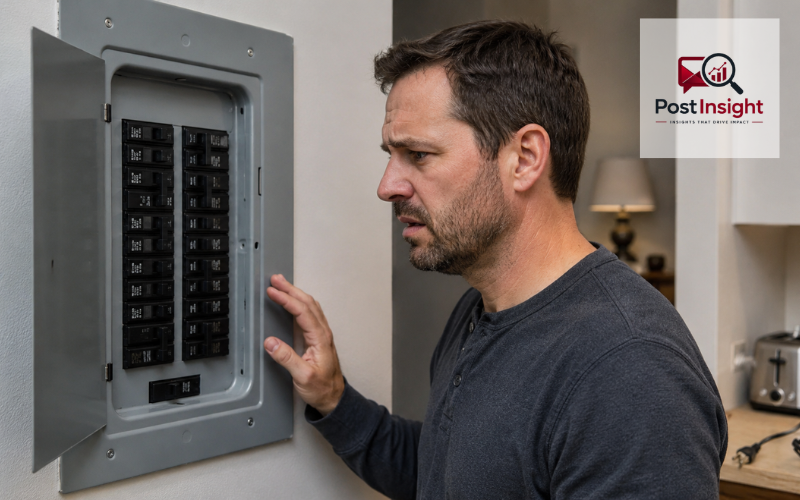
A breaker keeps tripping when something in your electrical system is causing the circuit to shut off for safety. This can happen because too many devices are using power at the same time, one appliance has a problem, or there is a more serious issue inside the wiring. Many homeowners see a tripped breaker as a small inconvenience, but it is often your electrical system’s way of warning you that something needs attention.
A circuit breaker is not just an on-and-off switch. It is a safety device designed to stop electricity when the circuit is carrying more current than it should. Without this protection, wires can overheat, appliances can become damaged, and the risk of electrical shock or fire can increase.
So, is it dangerous if circuit breaker keeps tripping? Sometimes it may be a simple overload, such as running a heater and several other devices on the same circuit. But if the breaker trips again and again, trips immediately, feels hot, smells burnt, or keeps turning off with nothing plugged in, the problem may be more serious. This guide explains why a breaker keeps tripping, what you can check safely, and when it is time to stop and call a licensed electrician.
| Situation | What It May Mean | What You Should Do |
| Breaker trips when many devices run | Circuit overload | Unplug some devices and spread them across different circuits |
| Breaker trips immediately | Short circuit, ground fault, or bad breaker | Leave it off and call an electrician |
| Breaker trips after a few minutes | Heat buildup or failing appliance | Test appliances one by one |
| Breaker trips with nothing plugged in | Wiring issue, damaged outlet, or bad breaker | Stop troubleshooting and get professional help |
| Breaker trips in one room | Room-specific overload, outlet issue, or appliance fault | Unplug everything in that room and test carefully |
When a breaker trips, it means the breaker has detected a problem and has cut power to that circuit. A circuit is the path that carries electricity to a certain area of your home, such as a bedroom, kitchen wall, bathroom outlet, or living room lights. The breaker watches the amount of electricity moving through that path.
If the circuit draws more power than it can safely handle, the breaker turns off. This helps protect the wires inside your walls from overheating. It also helps reduce the risk of damaged outlets, electrical shocks, and house fires.
A single trip may not always mean something dangerous is happening. For example, using a hair dryer, space heater, and other high-power items on the same circuit may overload it. But repeated tripping should not be ignored. If your breaker keeps tripping, the circuit is telling you that the same problem is happening again or that there may be a hidden fault.
The most important thing is not to keep forcing the breaker back on without understanding why it tripped. A breaker that trips repeatedly is doing its job. Your job is to find out whether the cause is a simple overload, a bad appliance, or a wiring issue that needs professional repair.
There are several common reasons a breaker keeps tripping. The first and most common reason is circuit overload. This happens when too many devices are running on the same circuit. For example, a small bedroom circuit may not handle a space heater, computer, lamp, and charger all at once. The breaker trips to stop the wires from carrying too much current.
Another possible cause is a short circuit. A short circuit can happen when a hot wire touches a neutral wire or when damaged wiring allows electricity to move where it should not. This can create a sudden rush of current, which usually trips the breaker very fast. A short circuit may also come with a popping sound, sparks, smoke, or a burning smell.
A ground fault is another serious cause. This happens when electricity moves from a hot wire to a grounded surface, such as a metal box, ground wire, or wet area. Ground faults are more common in kitchens, bathrooms, garages, basements, and outdoor outlets because moisture may be involved.
A faulty appliance can also make a breaker trip. Sometimes the home wiring is fine, but a damaged microwave, refrigerator, washing machine, heater, or power tool has an internal problem. When that device is plugged in or turned on, the breaker trips to protect the circuit.
In some cases, the breaker itself may be weak or worn out. Breakers can become less reliable with age, heat, or repeated tripping. A worn breaker may trip even when the circuit is not overloaded. However, you should not assume the breaker is bad until other possible causes have been checked safely.
A tripping breaker can be harmless in some situations, but it can also be a warning sign of a serious electrical hazard. The level of danger depends on why it is tripping and what other signs you notice.
If the breaker trips only when several high-power devices are used together, the issue may be a simple overload. For example, a portable heater and a vacuum cleaner running on the same circuit may use more power than the circuit can safely provide. In that case, unplugging one device or using a different circuit may solve the problem.
However, it becomes more concerning when the breaker trips immediately, trips with nothing plugged in, or trips again after you reset it. These signs may point to damaged wiring, a short circuit, a ground fault, moisture, or a failing breaker. These problems can create heat, sparks, and shock risks.
You should be especially careful if you notice a burning smell near the panel or outlets, scorch marks around a plug, a hot breaker, buzzing sounds, crackling noises, flickering lights, or visible sparks. These are not normal signs. They may mean electricity is overheating a part of the system or arcing inside an outlet, switch, or panel.
If any of these warning signs appear, do not keep resetting the breaker. Turn it off and call a licensed electrician. Electrical problems can get worse quickly, and guessing is not worth the risk.
If a breaker keeps tripping immediately after you reset it, the problem is usually more serious than a simple overload. An immediate trip often means the circuit has a short circuit, ground fault, damaged wire, faulty outlet, or bad breaker.
This type of trip can happen even before you turn anything on. You may flip the breaker to the ON position, and it snaps back off right away. That is the breaker responding to a fault that is already present in the circuit.
In this situation, do not keep trying again and again. Repeatedly resetting a breaker that trips instantly can increase heat and stress in the electrical system. It can also make a dangerous fault worse.
The safest step is to leave the breaker in the OFF position. If you know which room or outlets are connected to that circuit, unplug devices from that area. If the breaker still trips immediately with everything unplugged, the problem is likely inside the wiring, outlet, switch, or breaker panel. That is not a safe DIY repair for most homeowners.
A licensed electrician can test the circuit properly, find the fault, and repair it safely. This is especially important if the breaker trips instantly after a storm, water leak, renovation work, or after plugging in a damaged appliance.
Sometimes a breaker resets normally but trips again shortly after. This can happen for several reasons. The circuit may still be overloaded, a device may be failing, or the wiring may have a hidden problem that appears only when power starts flowing again.
If the breaker stays on when everything is unplugged, the issue may be one of the devices on that circuit. When you plug things back in, the faulty item or the total load may cause the breaker to trip again. This is why testing slowly is important.
Resetting is usually safe one time if there is no burning smell, no heat, no sparks, and no strange sound. To reset correctly, move the breaker fully to the OFF position first, then switch it back to ON. Some breakers will not reset properly unless you push them fully off before turning them on again.
But resetting is not safe when the breaker trips instantly, feels hot, or shows signs of damage. It is also not safe to force the breaker to stay on or tape it in place. The breaker is there to protect the wiring. If it keeps shutting off, something is wrong.
If you are wondering, “why does my breaker keep tripping with nothing plugged in,” the answer may be inside the circuit itself. When all appliances and lamps are unplugged but the breaker still trips, the problem is usually not caused by normal device use.
One possible cause is a damaged outlet. An outlet can become loose, cracked, burnt, or internally damaged over time. Even when nothing is plugged into it, a damaged outlet can still create a fault.
Another possible cause is faulty wiring inside the wall. Wires can become damaged by age, heat, pests, nails, screws, moisture, or poor installation. If wire insulation is damaged, electricity may touch a place it should not touch.
Moisture can also make a breaker trip, especially in bathrooms, kitchens, laundry rooms, basements, garages, and outdoor areas. Water and electricity are a dangerous combination. If rain, plumbing leaks, or damp walls are involved, keep the breaker off and get professional help.
A bad breaker may also be the reason, but it should be checked by an electrician. Replacing a breaker without finding the real cause can leave a dangerous wiring issue unresolved.
When a breaker keeps tripping in one room, the problem is usually connected to the devices, outlets, switches, or wiring in that room. This is common in bedrooms, kitchens, bathrooms, home offices, and older rooms with fewer circuits.
In a bedroom, the issue may be caused by a space heater, gaming computer, window AC unit, or several devices running together. These items can pull more power than the circuit can handle. In a bathroom, a hair dryer, curling iron, or heater can easily overload a circuit, especially if other outlets nearby are on the same breaker.
In a kitchen, appliances like microwaves, toaster ovens, coffee makers, and air fryers can use a lot of power. If several of them run on the same circuit, the breaker may trip.
If the breaker trips only when one room is being used, unplug everything in that room and reset the breaker. Then plug items back in one at a time. If one item trips the breaker every time, that appliance may be faulty or too powerful for the circuit. If the breaker trips even with nothing plugged in, the room may have a damaged outlet, switch, or wiring issue.
A breaker that trips after a few minutes can be confusing because everything may seem fine at first. This delayed tripping often points to heat buildup, a gradual overload, or an appliance that starts normally but fails after running for a short time.
Some appliances use more power when they first start, while others create more load as they heat up or work harder. Microwaves, refrigerators, washing machines, air conditioners, heaters, and motors can all cause delayed trips if they are failing or if the circuit is already near its limit.
For example, a refrigerator compressor may start, run for a while, and then cause the breaker to trip if the motor is struggling. A space heater may run for several minutes before the circuit becomes overloaded. A washing machine may trip the breaker during a certain cycle.
Heat can also affect weak breakers or loose connections. As the circuit warms up, the breaker may trip to prevent overheating. This is one reason a breaker that trips after a few minutes should not be ignored.
If the same appliance causes the trip each time, stop using it until it can be checked. If the breaker trips after several devices have been running together, reduce the load on that circuit.
If your breaker keeps tripping and there are no danger signs, you can do a few basic checks safely. Start by turning off lights and unplugging devices in the area that lost power. Do not touch exposed wires, remove outlets, or open the electrical panel beyond flipping the breaker switch.
Go to the panel and find the tripped breaker. It may be in the middle position or slightly different from the others. Push it fully to OFF first, then switch it back to ON.
If it trips immediately, stop. Leave it off and call an electrician.
If it stays on, go back to the affected room and plug in one device at a time. Wait a few minutes between each device. This helps you see whether one appliance is causing the problem. If the breaker trips when a certain item is plugged in or turned on, stop using that item.
If the breaker trips only after several devices are running, the circuit is likely overloaded. Move some devices to another circuit, avoid using high-power appliances together, and do not rely on extension cords or power strips for heavy loads.
The goal is not just to get the power back on. The goal is to understand why the breaker tripped so it does not keep happening.
It can be difficult to know whether the problem is the appliance or the circuit. A simple way to start is by testing one appliance at a time. If the breaker stays on until one specific device is used, that device may be the issue.
Check the appliance cord and plug. Look for cracks, melted spots, loose prongs, burning smells, buzzing sounds, or unusual heat. If anything looks or smells wrong, do not use it.
You can also try the suspected appliance on another safe circuit that can handle its power needs. If it trips another breaker too, the appliance is likely faulty. If it works fine elsewhere, the original circuit may be overloaded or damaged.
However, be careful with high-power appliances. Items like heaters, microwaves, air conditioners, and refrigerators should not be tested on weak outlets, old extension cords, or overloaded power strips.
If no single appliance seems to be the problem, or if the breaker trips with everything unplugged, the circuit itself may need inspection. Hidden wiring issues are not always visible, and they should be handled by a qualified professional.
There are times when troubleshooting should stop immediately. Electrical problems can be dangerous, and some signs should not be handled as DIY tasks.
Call a licensed electrician if the breaker trips immediately every time, even when nothing is plugged in. You should also call for help if the breaker feels hot, the panel smells burnt, or there are scorch marks near outlets or switches.
Other warning signs include sparks, buzzing, crackling, hissing sounds, flickering lights, melted plugs, or outlets that feel warm. If the same breaker keeps tripping after basic troubleshooting, it is also time for a professional inspection.
You should never replace a breaker with a larger one to “solve” the problem. A breaker is matched to the wire size and circuit design. Installing the wrong size can allow too much current through the wires and increase fire risk.
A professional can test the circuit, inspect the panel, check outlets and wiring, and confirm whether the issue is an overload, damaged appliance, weak breaker, or hidden fault.
Many homeowners search for “breaker keeps tripping reddit” because they want to see real experiences from other people. Reddit discussions often include stories about space heaters overloading bedroom circuits, microwaves tripping kitchen breakers, outdoor outlets getting wet, or old breakers failing after years of use.
These conversations can be useful for understanding common situations, but they should not replace expert advice. Every home is wired differently. Two people may have the same symptom, but completely different causes.
For example, one person’s breaker may trip because of an overloaded circuit, while another person may have a short circuit inside a wall. One may fix the issue by removing a faulty appliance, while another may need urgent wiring repair.
Reddit can help you learn what questions to ask and what signs to watch for, but electrical problems should be confirmed by a licensed electrician when there is any risk of heat, sparks, smells, instant tripping, or repeated failure.
When a breaker keeps tripping, it is not something to ignore or keep resetting without thought. The breaker is doing an important safety job by cutting power before the circuit becomes unsafe.
In many cases, the cause is a simple overload from too many devices running at once. In other cases, the problem may be a faulty appliance, damaged outlet, ground fault, short circuit, moisture issue, or worn breaker. The key is to notice the pattern. Does it trip immediately? Does it trip after reset? Does it happen in one room? Does it happen with nothing plugged in? These clues can help you understand how serious the problem may be.
Safe troubleshooting is fine when there are no warning signs. You can unplug devices, reset the breaker correctly, and test appliances one by one. But if the breaker trips instantly, feels hot, smells burnt, sparks, buzzes, or keeps failing after basic checks, leave it off and call a licensed electrician.
A tripping breaker is your electrical system’s warning signal. Listening to it early can protect your home, your appliances, and your safety.
A breaker usually keeps tripping because the circuit is overloaded, an appliance is faulty, or there is a wiring problem. Repeated tripping means the circuit needs attention and should not be ignored.
Yes, it can be dangerous if it happens repeatedly, instantly, or with burning smells, sparks, heat, or buzzing sounds. These signs may point to wiring faults or fire risks.
If nothing is plugged in and the breaker still trips, the problem may be damaged wiring, a faulty outlet, moisture, a ground fault, or a bad breaker. Call an electrician.
No, you should not keep resetting it again and again. If the breaker trips repeatedly, it is warning you that something is wrong and needs to be checked safely.
Unplug everything, reset the breaker, then plug in devices one by one. If the breaker trips when one appliance is connected or turned on, that appliance may be faulty.
Disclaimer: This article is for general informational purposes only and is not a substitute for professional electrical advice. Electrical problems can be dangerous. If your breaker keeps tripping, feels hot, smells burnt, sparks, or trips immediately, contact a licensed electrician.


