
 11
11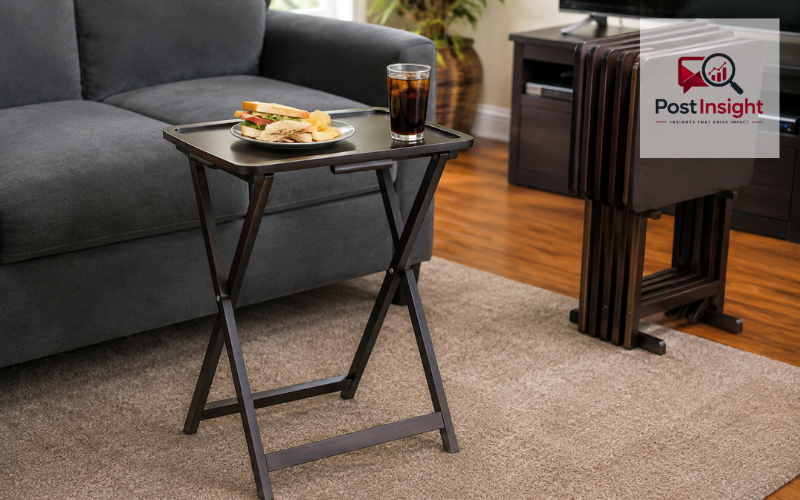
There’s something wonderfully simple about a good TV tray. You unfold it, set it down next to your chair or couch, and suddenly you have a stable little surface for dinner, a laptop, a cup of coffee, or a half-finished puzzle. No rearranging furniture, no clearing off the coffee table, no balancing a plate on your knees. That’s the entire appeal of TV trays, and it’s why they’ve quietly remained a staple in homes for generations.
If you’re shopping for TV trays right now, you’ve probably noticed there are far more options than expected. Wood, metal, plastic, adjustable, vintage-inspired, single trays, full sets — the choices can feel overwhelming when all you wanted was a simple table to eat dinner on while watching a show. This guide walks through everything worth knowing before you buy, so you can pick the option that actually fits your life instead of just guessing.
| Type | Best For | Weight Capacity | Storage |
| Wooden | Traditional decor, everyday use | Medium–High | Folds flat, often with rack |
| Metal/Faux Marble | Modern living rooms, dual-use side table | Medium | Folds flat |
| Plastic | Budget use, kids, occasional guests | Low | Very compact |
| Height-Adjustable/Heavy-Duty | Laptop work, recliner/bed use | High | Slides under furniture |
A TV tray is a small, lightweight table designed to fold flat for easy storage and pop open in seconds when you need it. The name comes from their original purpose back in the mid-20th century, when they were sold alongside frozen “TV dinners” as a way to eat a full meal in front of the television without needing a dining table. That’s actually where the older nickname “TV dinner table” comes from, and some people still call them that today.
While eating dinner in the living room is still one of the most common reasons people buy them, TV trays have grown well beyond that single purpose. These days, people use them as makeshift laptop desks, craft stations, temporary workspaces for remote work, bedside tables for a book and a cup of tea, or extra surface space when hosting guests. Their appeal comes down to flexibility — a tray table can be tucked away in a closet and ready for use in seconds, which makes it one of the most practical pieces of furniture you can own if you’re short on space.
Not all TV trays are built the same way, and understanding the main categories will make the rest of your shopping decisions much easier. Broadly speaking, TV trays fall into a few groups based on the material and design of the tabletop and legs.
Wooden trays tend to feel more like traditional furniture, with a solid, natural finish that blends into most living rooms. Metal-framed trays, often paired with a faux marble or laminate top, lean toward a more modern look. Plastic trays are the lightest and most budget-friendly option, ideal for casual or occasional use. And height-adjustable, rolling trays are built less around decor and more around function, made for people who want a table that adjusts to fit a couch, recliner, or bed.
Each type has its own strengths, and the “best” one depends on how and where you plan to use it. The sections below break each style down in more detail.
Wooden TV trays have stuck around for decades because they simply work, and they tend to look nicer sitting out in a room than most other options. Traditional sets are usually made from rubberwood or bamboo, with a sturdy X-frame folding mechanism underneath that keeps the table stable while still allowing it to fold completely flat for storage. Many sets also come with a matching stand or rack, so when you’re not using the trays, you can slide them into a corner where they take up almost no visible space.
There’s also a strong appeal around vintage TV trays specifically, which have made something of a comeback in recent home decor trends. Original mid-century sets, often featuring painted metal or patterned trays from the 1950s through the 1970s, are popular with collectors and anyone wanting a bit of retro character in their living room. If you like that nostalgic look but want something new, many current wooden and metal sets are designed with a similar vintage-inspired aesthetic, giving you the classic feel without hunting through flea markets or estate sales. Wooden trays are generally a good pick if you want something that looks intentional in your space, and they tend to hold up well over years of regular use.
If your home leans more toward a contemporary style, wood might not be the look you’re going for, and that’s where modern metal-framed TV trays come in. These usually feature slim geometric legs finished in black, gold, or brushed metal, topped with a laminate surface designed to mimic marble, along with plain white or matte-finish tops.
What makes this style particularly useful is that it doesn’t just work as a fold-out tray — many of these tables look good enough to leave out permanently as a small side table next to a sofa or armchair. Instead of hiding them away between uses, you can style one with a lamp or a small plant and it blends right into the room. This dual purpose is a big part of why modern metal and faux marble trays have grown so popular, especially in smaller apartments where every piece of furniture needs to earn its place, and they suit a minimalist or contemporary aesthetic more naturally than a rustic look.
Plastic TV trays are the most straightforward and affordable option on the market, and there’s nothing wrong with that. If you mainly need a simple, no-fuss surface for eating snacks or holding a plate during movie night, a plastic tray does the job without costing very much or requiring any real thought.
The biggest advantage of plastic trays is how light they are. They’re easy to carry from room to room, simple to fold and unfold, and don’t take up much storage space. They’re also a practical choice for kids’ rooms, dorm rooms, or as a backup set for when guests come over.
The trade-off is durability and weight capacity. Plastic trays generally aren’t designed to hold anything particularly heavy, so they’re best suited for light meals, snacks, or a tablet rather than a laptop or heavier dinnerware. If you only need something for occasional use, though, plastic remains a perfectly reasonable and budget-friendly choice.
For anyone who wants a tray table that does more than just hold a plate, height-adjustable and heavy-duty designs are worth a closer look. These tables usually feature a C-shaped base, which allows the frame to slide directly underneath a sofa, recliner, or bed so the tabletop can rest right over your lap or armrest. Combined with adjustable height settings and, in many cases, a tilting top, these tables are especially popular with people who use them as a laptop desk or a spot to work from the couch.
The adjustability is the real selling point here. Being able to raise, lower, or angle the surface means the table can adapt to different chairs, tasks, and people in the same household, rather than being a fixed height that only works in one spot. Some models also come with wheels, making it easy to roll the table between rooms without lifting anything. Because these tables are built for more demanding use, they also tend to have sturdier frames and higher weight capacities than basic wood or plastic trays, making them a solid option if you plan to use one daily.
While the name suggests a living room item, TV trays are just as useful in the bedroom. A compact tray table beside the bed gives you a convenient surface for breakfast in bed, a cup of coffee in the morning, or a book and a glass of water at night, without needing a full nightstand or bulky furniture.
Bed TV trays tend to work best when they’re on the smaller and lighter side, since bedroom space is often tighter and the table needs to be easy to move without disturbing anything else in the room. Many people also like using a slightly angled or adjustable tray in the bedroom, since it makes it easier to eat or read comfortably while sitting up. If you already have a tray table in your living room, adding a second smaller one to the bedroom is a simple way to get the same convenience in a space where a full desk just wouldn’t make sense.
The living room is where most TV trays end up spending the majority of their time, and for good reason. Whether you’re eating dinner in front of the television, setting drinks down during a movie night, or just need an extra surface while entertaining guests, a tray table fills the gap between a coffee table and nothing at all.
Beyond pure function, TV trays for the living room have become more about style than they used to be. Because so many modern designs are attractive enough to leave out, they’re increasingly used as small side tables next to sofas and armchairs rather than being folded away after every use. This means the tray you choose needs to fit the color scheme and overall feel of the room, whether that’s a warm wood tone, a black metal frame, or a soft neutral finish. For most households, the living room is the best place to start when choosing a tray table, since it’s usually where the table gets the most consistent use.
One of the more practical decisions you’ll face is whether to buy a single tray or a full set. A tv trays set of 4 is the most common option available, and it’s popular for a simple reason: it covers most household situations, whether that’s a family of four eating dinner together or having enough extra tables on hand when guests come over.
That said, a full set tv trays purchase isn’t always necessary. If you live alone, or only need a table in one specific spot, a single tray table is often the more practical and space-conscious choice, avoiding unused tables sitting in storage and usually costing less upfront.
The right choice comes down to how often you expect to use multiple tables at once. If entertaining guests or family dinners are a regular occurrence, a set with a storage rack included is worth the investment, since it keeps everything organized in one place. If it’s mainly just you, sticking with a single tray keeps things simple and avoids unnecessary clutter.
Once you’ve settled on a general style, a few practical details make a real difference in how satisfied you’ll be. Weight capacity is one of the most important, especially if you plan to use the tray for more than light snacks. Solid wood and metal C-frame tables generally hold more weight than lightweight plastic ones, so if you’re planning to use the table for full meals or a laptop, it’s worth checking the listed capacity rather than assuming every tray handles the same load.
The folding mechanism matters too. A well-designed X-frame or C-frame should fold and unfold smoothly without wobbling, and it should lock securely in place so the table doesn’t shift while you’re using it. If storage space is limited, look for a tray that folds completely flat rather than one that stays partially open, since flat-folding designs are much easier to tuck away in a closet.
A few smaller details are also worth considering. Built-in cup holders are handy if you tend to have a drink nearby, and a raised lip around the tabletop helps prevent plates or craft supplies from sliding off. The tabletop material matters too, since wood and laminate are easier to wipe clean than fabric-covered surfaces, which matters if the table will regularly be used for meals.
TV trays are widely available, and where you shop often comes down to convenience, price, and how quickly you want the table delivered. Large retailers like tv trays Walmart listings tend to offer a solid range of budget-friendly to mid-range options, with the advantage of easy returns and, in many cases, same-day store pickup if you’d rather not wait for shipping.
Online marketplaces, including amazon tv trays listings, typically offer the widest selection by far, ranging from basic plastic sets to premium adjustable models, often with customer reviews that help gauge real-world durability before buying. The trade-off is that quality can vary more between sellers, so it’s worth reading reviews and checking product specifications rather than relying on photos alone.
Furniture retailers and specialty home stores are worth considering if you’re after a more design-focused tray, particularly for wooden or vintage-style sets, since they tend to carry pieces with more attention to finish and craftsmanship. These options are usually priced higher, but can be worth it if the table will be a visible, permanent fixture in your living room rather than something you fold away after each use.
Taking care of a TV tray doesn’t require much effort, but a little regular maintenance goes a long way toward keeping it sturdy and good-looking for years. For wooden trays, a simple wipe-down with a slightly damp cloth is usually enough for everyday cleaning, and it’s best to avoid soaking the wood or leaving standing liquid on the surface, since this can cause warping or discoloration over time.
Metal and faux marble trays are generally the easiest to clean, since the laminate surface resists stains and wipes clean with just a damp cloth and mild soap. It’s worth periodically checking the joints and screws on metal-framed tables, tightening anything that feels loose, since loose hardware is usually what causes wobbling over time rather than a fault with the table itself.
Plastic trays require the least maintenance, though it’s best to avoid placing anything extremely hot directly on the surface, since prolonged heat can cause warping. Regardless of material, storing your trays folded flat when not in use, ideally in the included stand or rack, will help protect the legs and tabletop and keep the table steady for longer.
A surprising number of people end up disappointed with a TV tray simply because they didn’t consider a few basic details before buying. One common mistake is overloading the table beyond its intended weight capacity. Even a sturdy-looking table has limits, and consistently placing heavy items on a tray rated for light use can lead to wobbling, warping, or a broken frame over time.
Another frequent issue is choosing the wrong size for the available space. A table that looks fine in a photo can end up feeling too large for a small apartment or too short for a taller recliner, so it helps to measure the intended spot before ordering rather than guessing based on appearance alone.
Stability is also easy to overlook until it becomes a problem. A table that seems fine in photos can feel wobbly once it’s set up on carpet or an uneven floor. Checking reviews for mentions of stability, and looking specifically for cross-braced legs or rubber feet, can help you avoid a table that shifts or tips every time you set something down on it.
TV trays might seem like a small, simple purchase, but as this guide shows, there’s actually quite a bit to consider once you look past the basic idea of “a little folding table.” Between wood, metal, and plastic materials, adjustable and heavy-duty designs, and the choice between a single tray or a full set, the right option really depends on where in your home you plan to use it and what you need it to do.
Whether you’re after a nostalgic vintage-style tray for the living room, a compact table for breakfast in bed, or a sturdy adjustable model to use as a laptop desk, taking a few minutes to think through weight capacity, size, and material will make a real difference in how happy you are with the table months down the line. With the right choice, a good TV tray becomes one of those small pieces of furniture you end up using far more often than you expected.
Yes. While their original use was eating dinner, TV trays remain popular for laptop work, crafting, and bedside convenience, especially in smaller homes and apartments. (29 words)
Most TV trays stand between 24 and 28 inches tall, though adjustable models can range from about 20 to 31 inches depending on the chair or couch they’re used with. (31 words)
Yes, but only sturdier options. Height-adjustable and heavy-duty models with C-shaped frames are built for laptop use, while lightweight plastic trays are better suited for snacks or light items. (30 words)
Many wooden sets include a matching storage rack that holds all four trays upright in one compact space, making them easy to store in a closet or corner. (27 words)
It depends on household size. A single tray suits individual use, while a set of 4 works better for families or anyone who regularly hosts guests. (26 words)
Disclaimer: This article is intended for general informational purposes only and does not constitute professional furniture, safety, or interior design advice. Product features, pricing, and availability mentioned may vary by retailer and can change over time. Always check current weight capacity, dimensions, and safety guidelines from the manufacturer before purchasing or using any TV tray table.


