
 11
11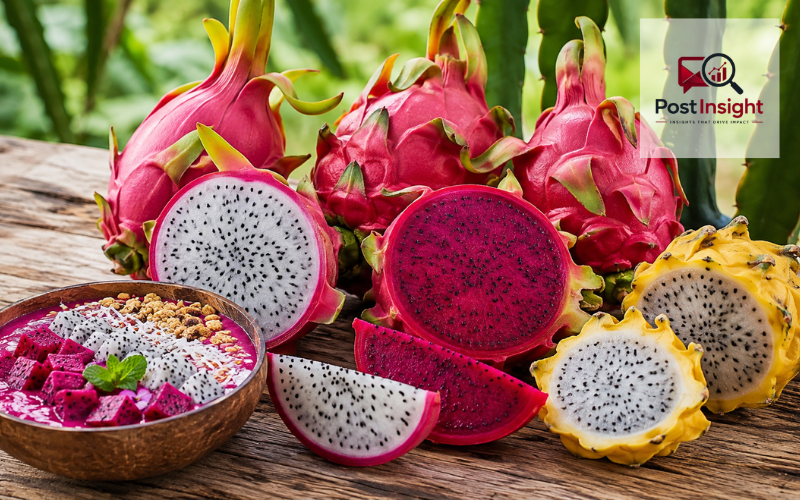
Pitaya is a colorful tropical fruit better known in many English-speaking countries as dragon fruit. Its bright pink, red, or yellow outer skin and unusual leaf-like scales make it easy to recognize. Cut it open, and you will usually find soft white, red, or magenta flesh filled with hundreds of tiny black edible seeds.
The fruit grows on climbing or sprawling cactus plants that come from the tropical Americas. Today, pitaya is cultivated in many warm regions around the world, including parts of Southeast Asia, Latin America, Australia, and the United States. Modern botanical references classify the common white-fleshed dragon fruit as Selenicereus undatus, a species native from Mexico to Honduras.
Although pitaya looks exotic, eating it is simple. Its taste is usually mild and refreshing rather than strongly sweet. This guide explains what pitaya is, its main varieties, nutritional value, potential health benefits, taste, uses, storage, and how the pitaya plant grows.
| Feature | Details |
| Common name | Dragon fruit |
| Main varieties | White, red/magenta, and yellow pitaya |
| Taste | Mild, refreshing, lightly sweet |
| Texture | Soft and juicy with tiny crunchy seeds |
| Common uses | Fresh eating, smoothies, fruit salads, pitaya bowls |
| Edible part | Flesh and black seeds |
| Plant type | Climbing or sprawling cactus |
Pitaya is the edible fruit produced by several types of cactus. Many of the fruits sold commercially as dragon fruit come from climbing cacti in the genus Selenicereus. Older sources may place some of these plants in the genus Hylocereus, so shoppers and gardeners may still see both botanical names. For example, Hylocereus undatus is now treated by Kew Science as a synonym of Selenicereus undatus.
The broader pitaya group comes from the Americas. Different species have different natural ranges, which is why it is more accurate to describe pitaya as a tropical American cactus fruit rather than assigning every variety to one country.
A typical pitaya is oval or slightly rounded, with thick leathery skin and prominent scales or bracts. Inside is juicy flesh containing many small black seeds. The seeds are soft enough to eat with the fruit and add a gentle crunch.
The name can be slightly confusing because “pitaya” has traditionally been used for fruits from more than one type of cactus. In everyday food markets, however, it commonly refers to the fruit most people know as dragon fruit.
For most shoppers, there is little practical difference between pitaya vs dragon fruit. Dragon fruit is simply the widely used English name for several commercially grown pitaya fruits.
The words “pitaya” and “pitahaya” have long been used in Latin America, while “dragon fruit” became especially familiar through international trade and the fruit’s popularity in Asian markets. Merriam-Webster recognizes pitaya and pitahaya as names for several fruit-producing cacti and their large, colorful fruits.
There can be regional differences in how the terms are used. In some botanical or traditional contexts, “pitaya” may also describe fruits from cactus groups other than the familiar commercial dragon fruit.
For normal grocery shopping, recipes, and nutrition discussions, however, pitaya and dragon fruit usually refer to the same general type of fruit. The variety and flesh color are often more useful distinctions than the name printed on the label.
Pitaya comes in several colors, and the appearance of the outside does not always tell you exactly what the inside will look like.
The most familiar type has bright pink or red skin with white flesh. This includes Selenicereus undatus, one of the world’s most widely cultivated dragon fruits. Its flavor is usually mild, lightly sweet, and refreshing.
Red-fleshed pitayas have pink or red skin but contain flesh ranging from deep pink to purple-red. Their strong color comes partly from natural plant pigments called betalains. Research shows that the nutritional and antioxidant profiles of dragon fruit can differ noticeably among cultivars.
Yellow pitaya usually has yellow skin with white flesh and tends to have a noticeably sweeter flavor. Some people consider it the sweetest commonly sold type, although sweetness also depends on variety, growing conditions, and ripeness.
Color alone does not indicate freshness or nutritional quality. A properly ripened white-fleshed fruit may taste better than an underripe red or yellow one.
In English, pitaya pronunciation is commonly represented as “pih-TIE-uh.” Cambridge gives the pronunciation as /pɪˈtaɪ.ə/ in both British and American English.
Pitaya generally has a gentle flavor. It is lightly sweet, fresh, and less intense than fruits such as mango, pineapple, or passion fruit. Some people compare the flavor and texture with a mixture of kiwi and pear.
The flesh is soft and juicy, while the tiny seeds create a mild crunch similar to kiwi seeds. A ripe fruit should be pleasant and refreshing rather than hard or watery.
Flavor varies considerably between varieties. White pitaya is often subtle, while some red and yellow types are sweeter. Ripeness matters as well. An underripe fruit may have very little flavor, while an overripe one can become excessively soft.
Fresh pitaya is primarily made up of water and carbohydrates and is generally considered a relatively low-calorie fresh fruit. It contains naturally occurring sugars along with dietary fiber, small amounts of protein and fat, vitamins, minerals, and various plant compounds.
Exact nutrition values should be treated as estimates rather than fixed numbers. They can change according to the species, cultivar, growing region, ripeness, serving size, and whether the product is fresh, frozen, dried, or sweetened.
Fresh dragon fruit can provide vitamin C and minerals such as magnesium and iron, although amounts differ between varieties and datasets. It also contains natural plant compounds including phenolic acids, flavonoids, and, particularly in strongly colored varieties, betalain pigments. A 2024 review found several classes of phenolic compounds in pitaya and noted substantial variation between fruits and studies.
The small black seeds are edible and contain fats, including unsaturated fatty acids. However, pitaya should be viewed as one nutritious fruit among many rather than as a concentrated supplement or miracle food.
One of the clearest nutritional advantages of pitaya is its fiber content. Dietary fiber supports normal bowel function and can contribute to a healthy digestive system when it forms part of an overall balanced diet.
Research has also examined oligosaccharides and other carbohydrates in dragon fruit for possible prebiotic effects. Prebiotics are substances that beneficial intestinal bacteria can use as food. Early research is interesting, but it does not mean that eating pitaya will treat digestive disorders or guarantee a particular change in gut bacteria.
Pitaya also contains antioxidant compounds. Red and purple varieties are especially notable for betalains, while phenolic compounds and flavonoids have also been identified. Antioxidants help the body manage oxidative processes, but claims that dragon fruit prevents or cures serious diseases go beyond the strength of current evidence. Reviews continue to describe many proposed health effects as promising areas for further research rather than established medical treatments.
For most people, the strongest reason to eat pitaya is much simpler: it is a fruit that can contribute fiber, nutrients, water, and variety to a balanced diet.
A good pitaya should have fresh-looking skin and feel firm with a slight amount of give when gently pressed. Very hard fruit may need more time to ripen, while fruit that feels extremely soft, leaks liquid, smells fermented, or has extensive damaged areas may be past its best.
To prepare pitaya, wash the outside and place it on a clean cutting board. Slice it lengthwise through the middle. The flesh can then be scooped directly from each half with a spoon. Another option is to loosen the skin and peel it away before cutting the flesh into cubes or slices.
The flesh and black seeds are normally eaten together. The thick outer peel is generally discarded.
Pitaya is particularly refreshing when served chilled. It can also be mixed into fruit salad, added to yogurt or oatmeal, used in desserts, or blended into smoothies. Because the flavor is mild, it pairs easily with stronger fruits such as berries, pineapple, mango, or citrus.
A pitaya bowl is a thick fruit blend served in a bowl and topped with other ingredients. It is similar in style to an acai bowl but normally uses pitaya as its main fruit base.
Fresh pitaya can be used, but frozen fruit or frozen pitaya puree usually creates a thicker texture. Red or magenta pitaya is particularly popular because it gives the bowl a naturally bright pink color without needing artificial coloring.
Typical toppings include fresh berries, banana, kiwi, nuts, seeds, yogurt, coconut, or granola. The nutritional value of the finished bowl depends heavily on these additions.
A pitaya bowl can become high in added sugar if it contains sweetened puree, syrup, sweetened granola, juice, and several sugary toppings. Keeping the ingredients simple allows the natural flavor and color of the fruit to remain the main feature.
The pitaya vs acai comparison is common because both fruits are frequently sold in smoothie bowls, frozen purees, and colorful drinks. However, they come from completely different plants.
Pitaya grows on a cactus native to tropical parts of the Americas. Acai berries grow on acai palms, which are native to the Amazon region of South America.
Their flavors are also quite different. Pitaya is fresh, mild, and lightly sweet. Acai has a deeper, earthier flavor that can include slightly bitter notes. Pure acai is dark purple, while red pitaya produces the bright pink color commonly seen in pitaya bowls.
Nutritionally, they also differ. Pitaya provides carbohydrates, fiber, vitamins, minerals, and plant pigments. Acai is known for its dark pigments and contains more fat than most fruits.
Neither automatically deserves the title of “healthier.” The better choice depends on the person’s overall diet and, especially with prepared bowls, what sugars and toppings have been added.
When buying fresh pitaya, look for fruit with reasonably even color and intact skin. Minor marks are normal, especially after shipping, but large soft patches, mold, leaking liquid, or a sour smell can indicate deterioration.
A ripe fruit usually gives slightly when pressed. If it is very firm, leaving it at room temperature for a short period may improve its eating quality. Once ripe, refrigeration can help slow further softening.
Cut pitaya should be covered or placed in an airtight food container and refrigerated. For the best taste and texture, it is sensible to eat cut fruit relatively soon rather than storing it for a long period.
Frozen pitaya is another useful option, especially in areas where fresh dragon fruit is expensive or difficult to find. Check the ingredient label because some frozen purees contain added sugar while others contain only fruit.
The pitaya plant is a cactus, but it looks different from the round desert cacti many people picture. It develops long, fleshy stems that climb, trail, or spread over supports. Kew describes Selenicereus undatus as a succulent epiphyte with a naturally climbing habit.
Pitaya grows best in warm conditions with well-drained soil. Although cactus plants can tolerate periods of dryness, commercial and home-grown dragon fruit still needs suitable moisture, nutrition, and care to produce good crops. A strong trellis or post is often used because mature stems become heavy.
The plant produces large, striking flowers that usually open at night. Pollination requirements vary by variety. Some plants can produce fruit using their own pollen, while others benefit from or require pollen from another compatible variety.
Under suitable conditions, established plants can flower and fruit more than once during a growing season. The exact timing depends on climate and variety. Current University of Florida guidance describes pitaya as a crop suited to tropical and subtropical conditions and provides separate management schedules for established plants.
Home growers therefore need more than just warm weather. Space, drainage, sunlight, support, pollination, and protection from extreme conditions all affect success.
Not every online search containing the word “pitaya” is about fruit. Searches such as pitaya brand, pitaya store, and pitaya clothing can lead to fashion or retail businesses that use Pitaya as a company name.
There is no single universal Pitaya fashion company associated with the fruit. Different businesses use the name independently. For example, a U.S. women’s clothing boutique named Pitaya opened a State College, Pennsylvania location in April 2026, while unrelated Pitaya-branded fashion and swimwear businesses also operate in other markets.
The name is attractive to brands because it is short, distinctive, and connected with a colorful tropical fruit. If you are looking specifically for food, adding words such as “dragon fruit,” “fresh fruit,” “frozen puree,” or “pitaya cactus” to the search can help separate fruit-related results from clothing and retail pages.
Pitaya is a distinctive tropical cactus fruit known for its colorful skin, seeded flesh, refreshing taste, and unusual appearance. It is commonly called dragon fruit, although the term pitaya can cover several related cactus fruits.
White, red, and yellow varieties differ in color, sweetness, and plant compounds, but all can be enjoyed fresh or used in smoothies, fruit salads, desserts, and pitaya bowls. The fruit provides fiber and a range of nutrients and antioxidants, although its potential health benefits should be discussed without turning early research into medical claims.
Whether you want to try pitaya for the first time, compare pitaya vs dragon fruit or acai, choose a ripe fruit, or grow a pitaya plant at home, understanding the variety and ripeness will usually make the biggest difference to the experience.
Yes. Pitaya and dragon fruit usually refer to the same tropical cactus fruit. However, “pitaya” can sometimes describe several related cactus fruits depending on the region and species.
Pitaya has a mild, refreshing, slightly sweet flavor. Its soft, juicy flesh and tiny crunchy seeds are often compared with the texture of kiwi and pear.
Yellow pitaya is often considered sweeter than common white-fleshed varieties. However, sweetness can vary depending on the cultivar, growing conditions, freshness, and how ripe the fruit is.
Pitaya provides dietary fiber, vitamin C, minerals, and natural antioxidant compounds. It can be a nutritious addition to a balanced diet, but it should not be treated as a cure or medical treatment.
Yes. The tiny black seeds inside pitaya are completely edible and are normally eaten together with the flesh. They add a slight crunch without needing to be removed.
Disclaimer: This article provides general food and nutrition information only. It is not medical advice and should not replace guidance from a qualified healthcare professional.