 11
11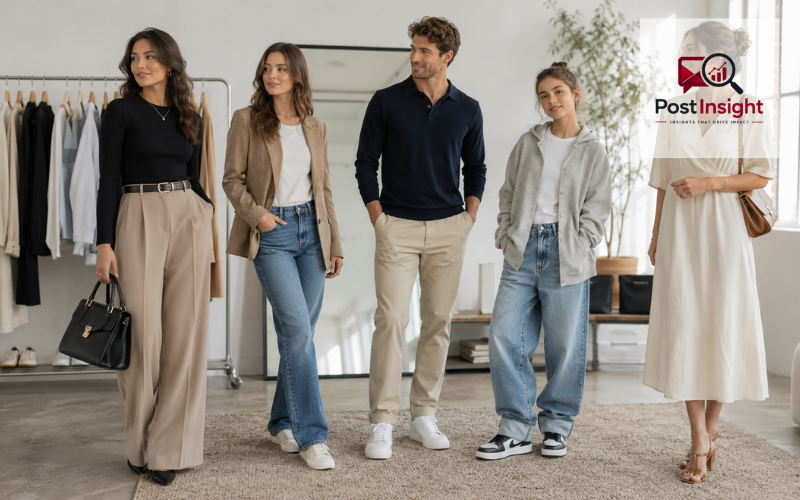
Good outfit ideas do more than look attractive in a photo. They should feel comfortable, suit the weather, fit the occasion, and work with the clothes you already own. A stylish outfit is usually built on three simple things: good fit, balanced proportions, and a clear color story. When these elements work together, even a basic T-shirt and jeans can look thoughtful and polished.
In 2026, everyday style is less about buying a completely new wardrobe and more about making familiar pieces feel fresh. Current fashion coverage continues to highlight individuality, practical layering, relaxed tailoring, versatile denim, button-down shirts, and pieces that can move between casual and polished settings. The result is an “easy elegance” approach: clothes look refined without feeling stiff or overdone.
The best outfit ideas can also be adapted. A teenager may wear wide-leg jeans with trainers and a hoodie, while an adult may style the same jeans with a tucked-in shirt and loafers. A summer dress can work with sandals in warm weather or with boots and a cardigan in autumn. Your age, daily routine, climate, comfort level, and personal taste should guide the final look.
| Occasion | Simple Outfit Formula | Best Footwear |
| Everyday | Jeans, plain top, cardigan, and structured bag | Trainers or loafers |
| School | Straight trousers, T-shirt, hoodie, and backpack | Comfortable trainers |
| Work | Tailored trousers, blouse or shirt, and blazer | Loafers or low heels |
| Weekend | Wide-leg jeans, knit top, and light jacket | Trainers or ankle boots |
| Date Night | Midi dress or dark jeans with a polished top | Boots, flats, or heels |
| Summer | Linen trousers, cotton top, or light dress | Sandals or white trainers |
| Winter | Thermal top, knitwear, coat, and scarf | Weather-friendly boots |
Elevated basics are simple clothes with a flattering shape, useful color, or quality finish. Think tailored trousers, a crisp shirt, straight-leg denim, a soft cardigan, a fitted knit, or a clean jacket. These pieces are easy to combine, so they reduce the stress of deciding what to wear.
Tailored trousers can be paired with a fitted top for a clean shape or with a relaxed shirt for a softer look. If the trousers are wide, keep the upper half slightly neater by tucking in the front of the shirt or choosing a shorter knit. Straight or relaxed denim works well with crewneck sweaters, striped tops, button-down shirts, and simple blazers.
Oversized outerwear can make an ordinary outfit feel more intentional. A long coat over jeans and a knit creates a polished line, while an oversized blazer can add structure to a T-shirt and trousers. The key is balance. When the coat or jacket is loose, keep at least one other part of the outfit more fitted or clearly shaped.
Small details also matter. Clean shoes, lightly rolled sleeves, a simple belt, and a structured bag can make basic clothes look finished without making the outfit feel formal.
Casual outfits for women should be comfortable enough for everyday movement while still looking put together. One reliable combination is relaxed jeans, a soft cardigan, and a structured shoulder bag. Add loafers, trainers, or ankle boots depending on the weather. The cardigan can be worn buttoned as a top, left open over a plain tee, or draped over the shoulders.
Wide-leg trousers are another useful base. Pair them with a tucked-in T-shirt for errands, a blouse for lunch, or a fine knit for a cooler day. A belt can define the waist, but it is not always necessary if the trousers already fit well. Neutral colors such as black, navy, cream, brown, and grey are easy to repeat, while one brighter piece can keep the outfit from feeling flat.
A midi skirt also works for many casual plans. Wear it with a lightweight sweater and trainers for daytime, or with a simple blouse and low heels for dinner. The most practical outfit formulas are the ones you can repeat with small changes. Swap the shoes, change the bag, add a scarf, or replace the top to create a different mood without rebuilding the whole look.
Men’s outfit ideas become easier when the wardrobe includes a few reliable combinations. Straight-leg jeans with a polo, Oxford shirt, or crewneck sweater create a clean casual look. Dark denim usually feels more polished, while medium-wash jeans are relaxed and easy to wear at weekends.
Chinos can move between work and social settings. Pair navy or stone chinos with a knitted polo and loafers for smart-casual style. For a more relaxed outfit, wear them with a plain T-shirt, overshirt, and clean trainers. A lightweight jacket or unstructured blazer can add shape without making the outfit feel too formal.
Fit is more important than chasing a particular trend. Trousers should sit comfortably without pulling or gathering heavily at the ankle. Tops should follow the body without feeling tight. A simple color palette also makes dressing easier. Navy, white, grey, olive, camel, and black can be mixed in many ways.
Footwear should match the level of formality. Trainers suit casual outfits, loafers and derbies work well for smart-casual plans, and boots add weight to autumn and winter looks. Current men’s style guidance also continues to favor straight or relaxed shapes over very tight fits.
Outfit ideas for girls should support movement, comfort, and age-appropriate self-expression. A cotton dress with trainers is easy for warm weather, while ankle boots and a cardigan can make the same dress suitable for cooler days. Denim jackets, leggings, skirts, relaxed jeans, and lightweight sweaters are useful because they can be layered and repeated.
Color combinations do not need to be complicated. Soft blue with white, pink with grey, cream with brown, or denim with almost any bright color can create a cheerful look. Accessories such as a small hairband, simple bag, colorful socks, or a light scarf can add personality without making the outfit uncomfortable.
For family events, a comfortable dress, cardigan, and neat flats can look polished. For everyday outings, jeans or leggings with a printed top and trainers are practical. The goal is not to copy adult fashion exactly, but to create outfits that feel fun, easy, and suitable for the activity.
Teen style often changes quickly, but comfort remains important. Baggy or wide-leg jeans can be balanced with a fitted T-shirt, cropped cardigan, or neatly tucked shirt. Oversized hoodies look better when paired with straighter trousers, leggings, or a simple skirt, while relaxed jackets can add structure to a casual outfit.
Teenagers can express personality through details rather than buying a completely different wardrobe for every aesthetic. A minimal look may use neutral colors and clean trainers. A sporty outfit may include joggers, a fitted top, and a zip jacket. Feminine styling can include a midi skirt, cardigan, and ballet flats, while an edgier outfit may combine dark denim, boots, and a graphic tee.
Current 2026 teen fashion coverage includes loose denim, layered collared tops, patterned blazers, skirts, and a mix of retro, sporty, and personal styling. The strongest idea is not to wear every trend at once, but to choose one detail that feels natural and practical.
School outfits need to handle long hours, changing weather, and plenty of movement. Jeans with a T-shirt and cardigan are dependable, while straight trousers with a polo or sweatshirt can feel slightly neater. Where dress codes allow, skirts can be paired with tights, socks, or shorts underneath for comfort.
For warm days, breathable cotton tops, relaxed trousers, knee-length shorts, and lightweight dresses help prevent overheating. In colder weather, layering is more useful than wearing one very heavy piece. A T-shirt, sweater, and jacket can be adjusted during the day.
Shoes should be comfortable enough for walking between classes. Trainers, supportive flats, or simple boots are usually more practical than shoes that pinch or slip. A backpack or crossbody bag should hold daily essentials without being unnecessarily heavy.
Following a dress code does not mean losing personal style. Color, socks, hair accessories, a favorite jacket, or a well-chosen bag can make a simple outfit feel personal while remaining suitable for school.
Pinterest outfit ideas can be useful because they show how colors, shapes, and accessories work together. However, an attractive image is not always a practical outfit. Before copying a look, consider the weather, your daily routine, the level of comfort, and whether you already own similar pieces.
A minimalist aesthetic often uses clean lines, quiet colors, and simple accessories. Preppy outfits may include loafers, cardigans, pleated skirts, shirts, or structured jackets. Streetwear usually relies on relaxed shapes, trainers, graphic pieces, and layered outerwear. Soft-girl styling may include pastel colors, light knits, skirts, and delicate details, while vintage-inspired looks often mix denim, printed blouses, leather shoes, and older silhouettes.
To recreate a Pinterest look, identify the basic formula instead of searching for exact items. A photo may simply be showing wide-leg jeans, a fitted top, a cropped jacket, and trainers. You can copy that balance with similar clothes in your own wardrobe. Keeping the color palette and proportions consistent often matters more than matching every item.
Pinterest outfit ideas for women often look polished because they use repeated colors and clear shapes. A neutral outfit might combine cream trousers, a beige knit, brown shoes, and a structured bag. A monochrome look can use different shades of one color, such as charcoal trousers with a lighter grey sweater and a dark coat.
Tailored separates are also common. A blazer with jeans can work for lunch, work, or travel depending on the shoes and top. A midi dress can feel casual with trainers and a tote, then become more formal with a structured bag and low heels. Statement footwear, a colorful bag, or bold earrings can bring interest to a simple outfit.
Saved images are most useful when they help you notice patterns. If many of your favorite looks include straight jeans, long coats, or striped tops, those pieces may suit your taste more than a passing micro-trend. Build your wardrobe around the ideas you repeatedly save and can realistically wear.
Outfit ideas drawing can help anyone who enjoys fashion planning, even without professional design skills. A quick sketch allows you to test shapes, colors, and layers before trying on clothes. You can draw simple body outlines and add the main pieces, such as trousers, a top, jacket, shoes, and bag.
Drawing is useful for fashion practice, school projects, character design, travel packing, or planning outfits for an event. It can also help you see whether an outfit feels balanced. For example, a long coat may work better with a narrow shoe, while a fitted dress may need a softer outer layer.
A mood board offers another option. Use printed pictures, magazine cuttings, screenshots, fabric samples, or color blocks. Group outfits by season, occasion, or aesthetic. Before shopping, compare the board with your current wardrobe. This can prevent duplicate purchases and help you focus on pieces that create several outfits rather than one single look.
Spring outfits work well with light layers because temperatures can change during the day. Straight jeans, a shirt, cardigan, and trench coat create an adaptable base. Soft colors can feel fresh, but classic navy, cream, black, and denim remain useful.
Summer calls for breathable fabrics and less complicated layering. Linen shirts, cotton dresses, relaxed shorts, skirts, and lightweight trousers can keep outfits comfortable. Current summer 2026 coverage also shows a mix of expressive prints, button-down shirts, cargo shapes, sporty pieces, and personal styling rather than one strict uniform.
Autumn is ideal for knitwear, denim, boots, overshirts, and mid-weight jackets. Earthy colors such as rust, olive, chocolate, and camel pair easily with black, cream, and blue denim. Winter outfits should begin with warmth. Thermal layers, wool or insulated coats, scarves, socks, and weather-friendly footwear are more important than copying a look that is not suitable for the temperature.
For weekends and casual gatherings, start with comfortable denim or trousers, then add a knit, shirt, or simple jacket. A tidy bag and clean shoes can make the outfit feel complete. For work or business-casual settings, tailored trousers, a blouse or shirt, and a blazer are dependable. Men can use chinos, a knitted polo, and loafers for a similar balance.
Date-night outfits should make you feel confident rather than uncomfortable. A midi dress with boots, dark jeans with a fitted top and blazer, or wide-leg trousers with a soft blouse can all work. The best choice depends on the venue and weather.
For dinners and parties, add one stronger detail, such as a textured fabric, bold shoe, bright bag, or piece of jewelry. Travel outfits should focus on layers, comfortable footwear, and clothes that do not crease easily. Special events may require more formal clothing, but fit and comfort still matter. An outfit that allows you to move naturally will usually look better than one you keep adjusting.
A smaller wardrobe can create many outfits when the pieces share compatible colors and levels of formality. Begin with useful essentials such as jeans, tailored trousers, plain tops, a cardigan, a shirt, a jacket, practical shoes, and one or two bags. Choose items that can be worn in at least three different ways.
Repeating clothes is not a styling failure. Straight jeans can look casual with trainers and a sweatshirt, polished with loafers and a blazer, or relaxed with boots and a long coat. A simple dress can change with a belt, cardigan, jacket, or different shoes.
Accessories and outerwear have the greatest visual impact because they sit on top of the outfit. Changing a bag, adding a scarf, or switching from trainers to boots can make familiar clothes feel different. Quality and usefulness matter more than owning a large number of similar pieces. Recent wardrobe advice has also emphasized choosing denim according to personal fit and lifestyle rather than replacing it whenever a new silhouette appears.
The most useful outfit ideas are not strict rules. They are starting points that help you combine clothes in a way that suits your body, routine, weather, and personality. Comfort and fit should come first, followed by balanced proportions, practical footwear, and colors you enjoy wearing.
Versatile basics make daily dressing easier because they can move between casual, smart, and seasonal outfits. Tailored trousers, classic denim, simple tops, useful layers, and dependable shoes offer more value when they work together. Trends can provide fresh inspiration, but they should support your style rather than replace it.
A successful outfit feels natural when you wear it. Whether you prefer minimalist clothing, relaxed streetwear, polished tailoring, feminine dresses, or a mix of several styles, the best looks are stylish, practical, and personal.
Start with one favorite item and build around it using neutral basics. Change the shoes, outerwear, or accessories to create several looks without buying new clothes.
The best everyday outfits combine comfort and simple styling. Jeans, relaxed trousers, basic tops, cardigans, trainers, and lightweight jackets are easy to mix and suitable for many daily activities.
Focus on fit, clean footwear, and balanced colors. Tucking in a shirt, adding a structured bag, wearing a belt, or layering a blazer can make basic clothing look polished.
Teenagers can use Pinterest, fashion magazines, social media, or their existing wardrobes for inspiration. They should choose ideas that suit school rules, weather, comfort, and personal style.
Most balanced outfits use two or three main colors. Neutral shades can form the base, while one brighter color or patterned accessory can add interest without making the look feel too busy.
Disclaimer: This article provides general fashion inspiration only. Clothing choices should always reflect personal comfort, weather, age, occasion, school or workplace rules, and individual preference.