
 11
11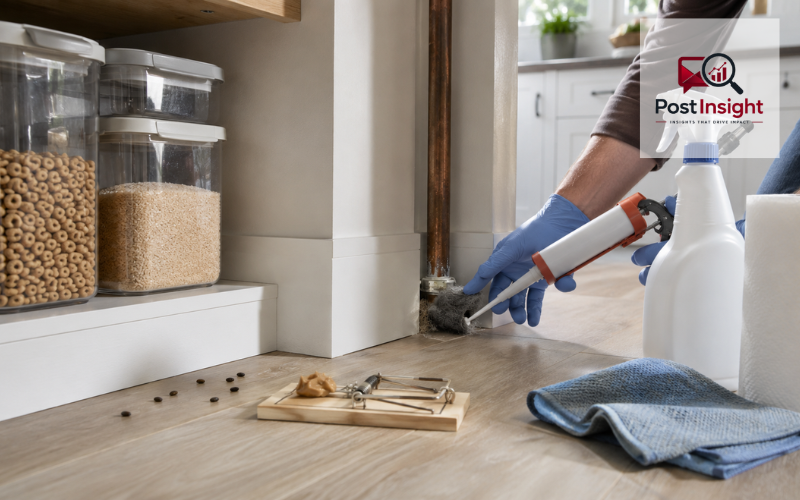
Mice enter homes for simple reasons: food, warmth, water, and shelter. A small gap under a door, a hole near a pipe, or an opening around the foundation can be enough for a mouse to squeeze inside. Once indoors, mice often hide in quiet, dark areas such as kitchen cabinets, walls, attics, basements, garages, storage rooms, and behind appliances.
If you want to know how to get rid of mice, the most important thing to understand is that one trick is rarely enough. A peppermint spray, a sound device, or one trap may help in a small situation, but lasting control usually comes from combining several steps. You need to remove the mice already inside, block new mice from entering, clean away food sources, and handle droppings safely.
The safest and most effective approach is a complete plan: trap active mice, seal entry points, clean and store food properly, reduce hiding places, and keep checking for new signs. Public health guidance also warns against dry sweeping or vacuuming mouse droppings before disinfecting them, because contaminated dust can become airborne.
| Step | What to Do | Why It Matters |
| 1 | Find droppings, scratching sounds, nests, and chew marks | Helps you locate active mouse areas |
| 2 | Set traps along walls and behind appliances | Mice usually travel close to edges |
| 3 | Use peanut butter or similar bait | Strong-smelling bait attracts mice better than cheese |
| 4 | Seal holes around pipes, doors, vents, and walls | Stops new mice from entering |
| 5 | Store food in airtight containers | Removes the food source mice depend on |
| 6 | Clean droppings safely with disinfectant | Protects your health and prevents contamination |
| 7 | Call pest control for repeated infestations | Needed when mice are inside walls or keep returning |
Mice do not come inside by accident. They are usually searching for easy food and a safe nesting place. A few crumbs under the stove, pet food left out overnight, open trash, birdseed in the garage, or cereal stored in cardboard boxes can attract them. During colder weather, warmth becomes another strong reason for mice to move indoors.
Inside a house, mice prefer places where they can stay hidden while staying close to food. Kitchens are common because food is nearby. Basements, attics, crawlspaces, wall voids, garages, and storage rooms also give them quiet places to nest. Clutter makes the problem worse because piles of paper, fabric, cardboard, and old boxes can become nesting material.
Seeing one mouse does not always mean a large infestation, but it should never be ignored. Mice are active mostly at night and are good at hiding, so the one you see may only be part of the activity happening behind walls, cabinets, or appliances.
The most common sign of mice is droppings. They are small, dark, and pellet-shaped, often found in cabinets, drawers, pantries, under sinks, along walls, or behind appliances. You may also hear scratching sounds at night, especially in walls, ceilings, or kitchen areas.
Chew marks are another warning sign. Mice gnaw on food packaging, cardboard, wood, plastic, wiring, and insulation. You may also notice shredded paper, fabric, or dried plant material used as nesting material. A stale or musty smell can appear when activity becomes heavier.
Greasy rub marks along walls and baseboards can also show where mice travel. They often run along edges instead of crossing open spaces. A few droppings in one area may suggest a small problem, while droppings in several rooms, repeated sightings, strong odors, or scratching inside walls can point to a larger infestation.
If you need to get rid of mice in house fast, start with the areas where you see the most activity. Place traps near droppings, behind appliances, along baseboards, under sinks, and near pantry spaces. Trapping is one of the quickest ways to remove mice that are already inside.
At the same time, remove food sources the same day. Put cereal, rice, pasta, snacks, pet food, and birdseed into airtight containers. Clean crumbs from counters, floors, cabinets, and under appliances. Empty trash regularly and use bins with tight lids.
Next, block the most obvious gaps. If you see holes near pipes, damaged door sweeps, cracks around the foundation, or gaps under garage doors, close them as soon as possible. The U.S. Environmental Protection Agency recommends sealing holes inside and outside the home, removing nesting sites, and cleaning up food and water sources as part of rodent prevention.
Fast results still need a complete strategy. If you trap mice but do not seal entry points, more can come in. If you seal holes but leave food available, mice may remain active inside. The best results come from doing several steps together.
The best trap depends on your home, comfort level, and safety needs. Traditional snap traps are affordable and effective when placed correctly. Electric traps can also work well and are often easier for some people to use because they reduce direct contact. Humane live-catch traps are an option if you prefer not to kill mice, but they must be checked often and handled responsibly.
Glue traps are not recommended in a helpful home-control plan. They can cause long suffering, may catch non-target animals, and do not solve the reason mice entered your home. Poison baits can also create risks, especially around children, pets, and wildlife. Dead mice may also end up inside walls, creating odor problems.
For most indoor mouse problems, snap traps or electric traps placed in the right locations are usually more practical than relying on repellents alone. Live traps can work for a small number of mice, but they require patience and regular checking.
Trap placement matters as much as the trap itself. Mice usually travel along walls, edges, and hidden paths. Place traps close to walls, behind objects, in dark corners, and where you have seen droppings or chewing. University extension guidance also recommends setting traps close to walls and in places where mouse activity is visible, so mice pass directly over the trigger as they move along their normal routes.
Place snap traps perpendicular to the wall, with the trigger end facing the baseboard. In busy areas, use more than one trap and space them a few feet apart. One trap in the middle of a room is much less useful than several traps placed along active mouse paths.
For bait, skip the old idea that cheese is best. Mice are often more attracted to calorie-dense foods with a strong smell, such as peanut butter, hazelnut spread, soft chocolate, or a tiny piece of nut or seed. Use only a pea-sized amount. Too much bait lets a mouse nibble without triggering the trap. Wear disposable gloves when setting traps for hygiene and to avoid transferring strong human or food odors.
Many people want to know how to get rid of mice naturally, especially if they have children, pets, or do not want to use poison. The most useful natural methods are not fancy products. They are basic prevention steps: clean food sources, remove clutter, seal gaps, and store food properly.
Some people use peppermint oil, vinegar, cloves, or other strong scents as natural mouse repellent options. These may bother mice for a short time in small areas, but they usually do not remove an active infestation on their own. Mice can get used to smells, and scent does not fix open entry points or hidden nests.
Natural mouse control works best when it supports proven steps. Clean the home, close gaps, reduce nesting materials, and use safe trapping methods if mice are already inside. Think of natural repellents as a small extra layer, not the main solution.
Mice repellent products come in many forms, including sprays, scent pouches, essential oil blends, granules, and electronic devices. Some may help discourage mice from certain small areas for a short period, but repellent does not equal removal.
The main problem with relying only on repellent is that mice are highly motivated by food and shelter. If your home gives them easy access to crumbs, warmth, and nesting material, a smell may not be enough to push them out. Repellents also do not close holes, remove droppings, or catch mice already living behind walls.
A repellent product may be useful after you have cleaned, trapped, and sealed. For example, it may help protect a garage corner or storage area. But if you continue seeing droppings, hearing scratching, or finding chewed packaging, you need a stronger plan.
Ultrasonic mouse repellers claim to use high-frequency sound to make an area uncomfortable for rodents. They are easy to plug in and may seem attractive because they do not involve traps or cleanup. However, results can vary widely from home to home.
Sound may not travel well through walls, cabinets, furniture, or clutter. A device in one room may have little effect behind a stove, inside a wall, or in a pantry full of boxes. Mice may also change routes instead of leaving the house completely.
If you want to try sound devices, use them only as a secondary method. They should not replace trapping, sealing, cleaning, and safe food storage. The best way to get rid of mice with sound is to treat it as a support tool, not a complete solution.
It is possible to reduce mouse activity without traps, but it may take longer if mice are already inside. The trap-free approach depends heavily on exclusion and sanitation. That means sealing every entry point, removing food and water sources, clearing clutter, and making the home less attractive.
Start by checking around pipes, vents, doors, windows, the foundation, the garage, and utility lines. Then store all food in strong airtight containers. Clean under appliances, remove pet food at night, and use trash cans with tight lids. Outside, move firewood, brush, and debris away from the foundation.
Professional exclusion can also help if you do not want to use traps yourself. A pest control professional can find entry points that are easy to miss and close them with stronger materials. But if mice are already nesting inside, trap-free methods may not remove them quickly.
You can take strong action overnight, but full removal usually takes longer. In one night, you can clean up food sources, set multiple traps, block visible gaps, remove pet food, empty trash, and reduce clutter. These steps can quickly reduce mouse activity and increase the chance of catching mice.
What you should not expect is a complete fix from one product or one evening of work. Mice may be hidden in walls, cabinets, the attic, or the garage. There may also be more than one entry point. Even if you catch a mouse overnight, the home still needs prevention work.
For a fast first-night plan, focus on three things: remove food, set traps in the right places, and close obvious openings. Then continue checking traps, cleaning, and sealing until signs stop.
Sealing entry points is one of the most important parts of how to get rid of mice for good. Mice can fit through very small gaps, so inspect carefully. Look around plumbing lines, vents, cables, foundation cracks, garage doors, roofline gaps, basement windows, and spaces under exterior doors.
For small holes, pack the gap with steel wool or copper mesh, then secure it with caulk. For larger holes, use metal mesh, hardware cloth, cement, or metal flashing. CDC guidance recommends filling small holes with steel wool and using caulk or spray foam to keep it in place, while larger holes may need metal, cement, hardware cloth, or metal sheeting.
Avoid using expanding spray foam by itself. Mice can chew through many soft materials. Foam may help hold material in place, but it should not be the only barrier. Door sweeps are also important. If you can see light under an exterior door, a mouse may be able to enter.
Food control is simple but powerful. Mice can survive on tiny crumbs, so cleaning has to go beyond wiping the visible countertop. Sweep floors, clean pantry shelves, wipe under the toaster, move appliances when possible, and check behind the stove and refrigerator.
Store dry foods in airtight glass, metal, or heavy-duty plastic containers. Cardboard boxes and thin plastic bags are easy for mice to chew. Pet food, birdseed, cereal, rice, pasta, flour, and snacks should all be sealed tightly.
Clutter also needs attention. Replace cardboard storage boxes with plastic bins when possible. Remove piles of newspaper, fabric, old blankets, and unused packing material. EPA pest control guidance notes that clutter gives pests places to hide and breed, and recommends closing off entry points such as cracks, crevices, and spaces around pipes.
Mouse droppings, urine, and nesting material should be cleaned carefully. Do not sweep or vacuum dry droppings. This can push contaminated dust into the air. Instead, wear disposable gloves and spray the area with a disinfectant until it is wet.
Let the disinfectant sit for about five minutes, or follow the product label. Then wipe up the droppings, urine, or nesting material with paper towels and throw them away in a sealed bag. After removing the mess, clean the surrounding area again with disinfectant. CDC cleanup guidance recommends disinfecting rodent urine, droppings, and contaminated surfaces before removal and using paper towels to pick up the material.
Dead mice should be handled the same careful way. Spray the mouse and surrounding area with disinfectant, use gloves, place it in a sealed bag, and dispose of it according to local rules. Wash your hands well after cleanup, even if you wore gloves.
Many Reddit discussions about mice include the same practical advice: use traps, find entry points, clean food sources, and do not rely on one magic trick. These tips are useful because they match what pest control professionals and public health sources often recommend.
However, Reddit advice should be checked carefully before you try it. Some suggestions may be unsafe, harsh, or based on one person’s experience. Be careful with advice involving poison, homemade chemicals, pets as pest control, or releasing live mice too close to the home.
The best way to use Reddit is to look for patterns, not random hacks. If many people mention sealing holes, cleaning food sources, and placing traps along walls, that advice is worth considering because it fits proven mouse-control basics.
A small mouse problem can often be handled with careful trapping, cleaning, and sealing. But some situations need professional help. Call a licensed pest control service if you keep seeing droppings after several days of effort, hear scratching in multiple walls, find nests in several areas, or notice activity in the attic, crawlspace, basement, and kitchen at the same time.
Professional help is also wise if you have young children, pets, immune-sensitive family members, or a strong odor that may point to dead mice inside walls. A professional can inspect the full home, find hidden entry points, recommend safer control methods, and provide long-term exclusion.
If mice keep coming back, the real problem is usually not the trap. It is often an opening, food source, or nesting area that has not been found yet.
Learning how to get rid of mice is really about following a complete plan. Start by removing the mice already inside with correctly placed traps. Then seal entry points so new mice cannot replace them. Clean and store food properly, remove clutter, and handle droppings or dead mice safely.
Quick tricks may sound appealing, but long-term prevention is what protects your home. Natural repellents, sound devices, and DIY methods can sometimes help, but they work best as support tools after the main steps are done.
Act early, stay consistent, and keep checking for signs. The sooner you remove food sources, close gaps, and control active mice, the easier it is to stop a small problem from becoming a serious infestation.
Set traps where you see droppings, remove food sources immediately, seal visible gaps, and clean clutter. Fast results come from combining trapping, cleaning, and blocking entry points together.
Yes, but natural methods work best for prevention. Cleaning, sealing holes, storing food properly, and removing clutter are more reliable than relying only on peppermint oil or scent repellents.
Some repellents may help for a short time, but they usually do not remove mice already inside. Traps, sealing entry points, and food control are more effective for long-term results.
Mice may leave if food and shelter disappear, but they often stay if your home gives them warmth and hiding places. It is better to act early instead of waiting.
Call a professional if you hear mice in walls, see droppings in several rooms, smell strong odors, or keep seeing signs after using traps and sealing gaps.
Disclaimer: This article is for general home information only and does not replace professional pest control, medical, or public health advice. For severe infestations, repeated mouse activity, or health concerns related to droppings, contact a licensed pest control expert or local health authority.


