
 11
11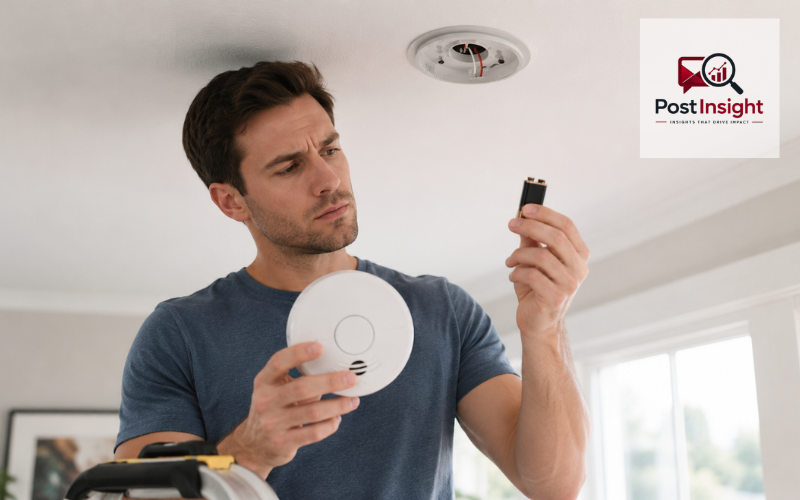
If you are searching for a Kidde smoke detector without battery, you are probably dealing with one of two problems. Either your alarm has no visible battery door, or it is chirping and you cannot find a battery to replace. This can be confusing, especially when you are used to older smoke alarms that open easily and use a 9V or AA battery.
The simple answer is that a Kidde smoke detector is usually not truly battery-free. In most cases, “without battery” means the battery is hidden, sealed inside the alarm, used as a backup, or no longer serviceable. Some Kidde alarms use a 10-year sealed battery, some are hardwired into your home’s power with a backup battery, and some may already be deactivated or at the end of their life.
This article explains what a Kidde smoke detector without battery really means, why your alarm may be chirping, when you can replace a battery, and when the whole smoke detector must be replaced. The goal is to help you understand the unit in plain English so you can handle it safely and avoid guessing.
| Situation | What It Means | What You Should Do |
| No battery door | The alarm may have a sealed 10-year battery | Check the model label and manual |
| Hardwired alarm chirping | Backup battery may be missing, low, or loose | Install the correct fresh battery |
| 10-year alarm chirping | The sealed battery or alarm may be at end of life | Replace the full smoke detector |
| Alarm was deactivated | The unit has been permanently shut off | Do not reuse it; replace it |
| Still chirping after reset | Dust, power issue, or expired alarm may be the cause | Clean, reset, check date, or replace |
When people say they have a Kidde smoke detector without battery, they often mean they cannot see a removable battery. That does not always mean the alarm has no battery at all. It may simply mean the battery is sealed inside the unit and is not meant to be replaced by the user.
A battery-free smoke detector and a smoke detector with no visible battery are not the same thing. A true battery-free alarm would have no battery power at all, but smoke alarms need reliable power to work during normal use and during power outages. That is why Kidde smoke alarms usually rely on either a built-in sealed battery, a replaceable backup battery, or hardwired power with battery support.
Some Kidde alarms do not have a battery door because they are designed as sealed 10-year models. If you check the Kidde smoke detector without battery manual for your exact model, it may say that no battery installation or replacement is needed during the life of the alarm. In that case, the battery is inside the device, but it is not something you can remove or change.
Kidde does not generally make a smoke detector that works with no battery power at all. Even when a smoke alarm is connected to your home’s electrical system, it still needs backup power in case the electricity goes out. A smoke detector is a safety device, so it must be ready to work even during an outage.
There are three common power setups you may see. The first is a battery-powered smoke alarm with a sealed 10-year battery. The second is a hardwired smoke alarm that uses electricity from your home and also has a backup battery. The third is a hardwired model with a sealed backup battery that lasts for the life of the alarm.
So, if you think you have a Kidde smoke detector without battery, it is better to think of it as “no replaceable battery” or “no visible battery.” This small difference matters because it tells you whether you should replace a battery, reset the alarm, or replace the entire unit.
Many newer Kidde smoke alarms are made with sealed lithium batteries. These are often called 10-year sealed battery alarms. The battery is built into the smoke detector and is designed to power the unit for up to 10 years under normal conditions.
The main reason these models exist is convenience and safety. With older alarms, people sometimes removed the battery to stop chirping or nuisance alarms and forgot to put it back. A sealed battery design helps prevent that problem because the battery cannot easily be removed.
This is where many homeowners get confused about Kidde 10 year smoke alarm battery replacement. On a sealed model, there is usually no normal battery replacement. You should not try to open the alarm or remove the sealed lithium battery. If the battery is low near the end of the alarm’s life, the correct solution is usually to replace the entire smoke detector.
If your Kidde 10-year smoke alarm starts chirping near the end of its life, it may be telling you that the internal battery is low or that the alarm needs replacement. Unlike older smoke alarms, you do not open the unit and install a new battery.
For sealed alarms, replacement usually means replacing the full alarm. This can feel frustrating if the alarm looks clean and undamaged, but smoke detectors do not last forever. Over time, the sensor inside can become less reliable, and the battery may no longer provide enough power for proper operation.
If your sealed Kidde alarm is less than 10 years old and starts chirping, first check the manual and the date on the back label. The alarm may be warning about dust, a fault, or a low battery condition. But if the manual says the battery is sealed and non-replaceable, do not try to force the alarm open. Replace the unit or contact Kidde support if you believe it failed too early.
A Kidde hardwired smoke detector with 10 year battery is connected to your home’s electrical system but also includes battery protection. The hardwired power runs the alarm during normal conditions, while the battery helps protect you when the power goes out.
Some hardwired Kidde models use a traditional replaceable backup battery, such as a 9V or AA battery. Other newer models may use a sealed 10-year backup battery. That is why two hardwired Kidde alarms can look similar but work differently when it comes to battery replacement.
If your alarm is hardwired, you may see a wire harness on the back when you remove it from the mounting bracket. This means the unit is connected to household power. However, that does not mean the battery is optional. The backup battery is still important because fires and electrical outages can happen at the same time.
A Kidde smoke alarm no battery chirping problem can happen for several reasons. The most common reason is that the alarm thinks the battery is missing, low, loose, or not making proper contact. If the alarm is hardwired and uses a replaceable backup battery, removing that battery can cause the unit to chirp again and again.
Another common reason is end-of-life warning. Smoke alarms are not meant to stay in service forever. If the unit has reached the end of its useful life, it may chirp to let you know it should be replaced. This is especially common with sealed 10-year models because the battery cannot be replaced separately.
Dust can also cause problems. Smoke alarms sit on ceilings or walls for years, and dust can collect around the sensor openings. This may cause false alarms, fault warnings, or chirping. In some cases, cleaning the vents carefully with compressed air or a vacuum hose can help. Still, if the alarm continues to chirp after cleaning and resetting, replacement may be the safest answer.
A hardwired Kidde smoke detector without backup battery is not something you should leave in place as a long-term solution. The alarm may still receive power from your home’s electrical system, but it can lose protection during an outage if the backup battery is missing or dead.
This is one reason a hardwired alarm may keep chirping after you remove the battery. The chirp is not just an annoyance. It is a warning that the alarm is not set up the way it should be. Many hardwired alarms are designed to alert you when the backup battery is missing because that backup power is part of the safety system.
If your hardwired alarm needs a replaceable backup battery, install the correct battery type listed on the label or in the manual. Do not leave the battery compartment empty just to stop a chirp. If the alarm still chirps with a fresh battery installed correctly, then it may need a reset, cleaning, or replacement.
If you want to know how to change battery in Kidde smoke detector hardwired, the first step is safety. Because the alarm is connected to home electricity, turn off power to the smoke detector circuit before removing the unit. If you are not comfortable working around a hardwired alarm, it is better to ask a qualified electrician or maintenance person for help.
After the power is off, gently twist the alarm from its mounting bracket. Most Kidde units come off by turning them counterclockwise, but the exact design can vary. Once the alarm is loose, you may see a quick-connect wire harness on the back. Carefully unplug the harness by pressing the plastic tabs and pulling it free.
If your model has a battery door, open it and remove the old battery. Install the correct replacement battery, making sure the positive and negative ends line up properly. Close the battery compartment fully. Before putting the unit back on the ceiling, press the test button to make sure the alarm sounds. Then reconnect the wire harness, twist the alarm back onto the bracket, turn the power back on, and test it again.
Many people search for how to change battery on Kidde smoke alarm model 20SD10 because the unit may look like it has no battery compartment. For this model, the key detail is that the battery is sealed inside the alarm. That means there is no regular battery replacement process for the user.
If you have a Kidde 20SD10, check the label on the back of the alarm to confirm the exact model number. You can usually find this by removing the alarm from the ceiling or wall and reading the back label. Once you confirm the model, check the manual for that exact unit.
For the 20SD10, the sealed lithium battery is designed to last for the life of the alarm. If the alarm gives a low battery warning, you should not try to open it or replace the internal battery. The correct action is usually to replace the entire alarm. If the unit is new or you think the warning is not normal, contact Kidde support or the installer before disposing of it.
Basic Kidde smoke alarm troubleshooting can save you from replacing a unit too quickly. Start by checking the battery if your model uses a replaceable one. Make sure it is fresh, seated properly, and facing the right direction. A battery that is slightly loose can cause chirping even if it is new.
Next, clean the alarm. Use compressed air or a vacuum hose around the outer openings to remove dust. Do not spray cleaners, water, or chemicals into the alarm. Smoke detectors are sensitive devices, and moisture or cleaning products can damage the sensor.
If the unit is hardwired, check whether it is receiving power. Many hardwired alarms have a light that shows AC power is present. If the light is off, the breaker, wiring, or connection may need attention. You can also reset many alarms by pressing the test button or following the reset steps in the manual. If the alarm keeps chirping after a fresh battery, cleaning, and reset, it may be at the end of life.
You should replace the entire Kidde smoke detector when the alarm has reached the end of its service life, when a sealed battery model gives a low battery or end-of-life warning, or when troubleshooting does not fix the problem. A smoke alarm is not something to keep using if it seems unreliable.
If your alarm is past the replacement date printed on the back label, replace it even if it still looks fine. Smoke detectors age on the inside, and the sensor may not respond as well over time. If the alarm has been deactivated for disposal, it cannot be turned back on and should not be reinstalled.
You should also replace the unit if it is damaged, painted over, cracked, missing parts, or still chirping after proper steps have been followed. In a rental home or apartment, contact the landlord or maintenance team. In your own home, choose a compatible replacement and follow the installation instructions carefully.
Before handling a Kidde smoke alarm, always think about safety first. If the unit is hardwired, turn off power at the breaker before removing it. Never pull hard on wires, and do not leave exposed wiring hanging from the ceiling.
Do not permanently remove backup batteries from alarms that require them. A quiet alarm is not always a safe alarm. If the chirping stops only because the battery was removed, the real problem has not been solved.
Do not try to open a sealed battery alarm. Sealed lithium batteries are not meant to be removed by the user, and opening the alarm can damage it or create a safety risk. Always use the manual for your exact model because Kidde has different alarm designs. When in doubt, replace an old or questionable alarm instead of taking chances with fire safety.
A Kidde smoke detector without battery is usually not truly without battery power. In most cases, it is either a sealed 10-year battery alarm, a hardwired alarm with backup battery power, or an alarm that has reached the end of its life. Understanding which type you have makes the next step much easier.
If the battery is replaceable, install the correct fresh battery and test the alarm. If the battery is sealed, do not try to open the unit. If it is chirping because the sealed battery is low or the alarm has reached end of life, replace the full smoke detector. If it is hardwired, remember that backup power still matters and should not be ignored.
The safest approach is to check the model number, read the correct manual, clean and reset the alarm when appropriate, and replace the unit when required. A smoke alarm is a small device, but it plays a very important role in protecting your home and family.
Most Kidde smoke detectors are not truly battery-free. They usually use a sealed battery, replaceable backup battery, or hardwired power with battery support for safety.
If your Kidde alarm has no battery door, it may be a 10-year sealed battery model. The battery is built inside and is not meant to be replaced.
If it is hardwired, the chirp may mean the backup battery is missing or low. If it is sealed, the alarm may need full replacement.
Usually, no. Kidde 10-year sealed smoke alarms are designed with a built-in battery. When the battery reaches end of life, replace the whole alarm.
No, it is not recommended. The backup battery helps the alarm work during power outages, so it should be installed if your model requires one.
Disclaimer: This article is for general informational purposes only. Always follow the official Kidde manual for your exact smoke detector model. For hardwired alarms, electrical issues, or safety concerns, contact a qualified electrician or Kidde support.


