
 11
11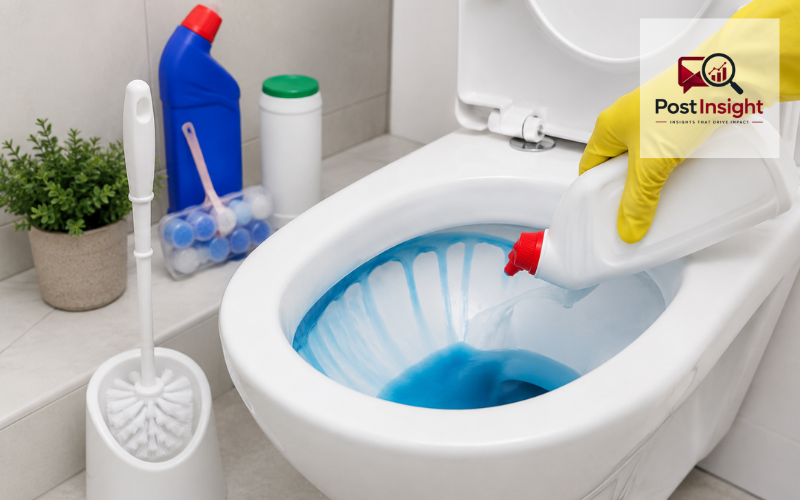
A toilet bowl cleaner is a cleaning product made to clean the inside of a toilet bowl. It helps remove stains, germs, bad smells, hard water marks, lime, rust, and daily buildup that can collect over time. A clean toilet does not only look better, but it also helps make the whole bathroom feel fresher and more hygienic.
Toilet bowls deal with water, minerals, waste, bacteria, and moisture every day. Because of this, simple water alone is not enough to keep them clean. A good toilet bowl cleaner breaks down grime, loosens stains, reduces germs, and makes scrubbing easier. Some cleaners are made for deep cleaning, while others are designed for daily freshness or stain control.
There are many types of toilet bowl cleaners available. Some people prefer toilet bowl cleaner liquid because it spreads easily around the bowl and under the rim. Others use toilet bowl cleaner tablets for ongoing freshness between deep cleans. A toilet bowl cleaner brush is also important because it helps scrub away buildup properly. There are also cleaner sticks, gels, powders, drop-in options, and natural homemade solutions such as a basic toilet bowl cleaner recipe using baking soda and vinegar.
Choosing the right cleaner depends on your main problem. Some toilets need help with bad odors, while others have hard water stains, rust marks, lime buildup, or germs. Understanding the different options can help you clean better, avoid damage, and keep your bathroom more comfortable.
| Need | Best Toilet Bowl Cleaner Type | Why It Helps |
| Daily freshness | Tablets or drop-in cleaner | Helps reduce odor between deep cleans |
| Deep cleaning | Liquid or gel cleaner | Coats the bowl and removes buildup |
| Rust stains | Lime and rust remover | Breaks down mineral stains |
| Germ control | Disinfecting cleaner | Helps reduce bacteria and odors |
| Light natural cleaning | Baking soda and vinegar | Good for mild stains and |
A toilet is one of the most-used fixtures in any home, so regular cleaning is important. A toilet bowl cleaner helps keep the bowl fresh, clean, and more pleasant to use. Without regular cleaning, stains can build up, odors can become stronger, and germs may remain on the surface.
Bathroom hygiene is not only about appearance. A toilet that looks clean may still have germs under the rim or around the waterline. This is why using the right cleaner and giving it enough time to work matters. Many toilet bowl cleaners are made to reduce germs and remove odor-causing buildup, which helps the bathroom feel cleaner overall.
Another reason toilet bowl cleaner matters is stain prevention. Hard water marks, lime scale, and rust stains can become harder to remove when they sit for too long. Regular cleaning keeps these marks from settling deeply into the porcelain. This means less scrubbing, less frustration, and a fresher toilet with less effort.
There is no single toilet bowl cleaner that is perfect for every situation. Different types work better for different cleaning needs. The most common option is toilet bowl cleaner liquid, which is easy to apply around the bowl and under the rim. It is useful for weekly cleaning and can help remove stains, odors, and buildup.
Toilet bowl cleaner tablets are another common choice. These are usually placed in the tank or attached inside the bowl to release cleaning agents over time. They can help keep the toilet smelling fresh between deeper cleanings, but they should not replace regular scrubbing.
A toilet bowl cleaner stick is useful for quick stain removal. It is often used directly on rings, rust marks, or mineral spots. Cleaner sticks are helpful when a regular liquid cleaner does not fully remove a stubborn mark.
There are also gel cleaners, powders, and drop-in options. Gel cleaners cling to the bowl surface, which gives them more time to work. Powders may be useful for scrubbing stains, while drop-in options are made for ongoing freshness. Each type has a purpose, so the best choice depends on what your toilet needs most.
A toilet bowl cleaner liquid is one of the best choices for deep cleaning because it spreads easily and can reach hidden areas. Most liquid cleaners come in bottles with angled nozzles, making it easier to apply the cleaner under the rim. This is important because the under-rim area often collects germs, mineral deposits, and odor-causing buildup.
Liquid cleaners are usually best for weekly cleaning. You apply the liquid around the bowl, let it sit for the recommended time, scrub with a toilet brush, and then flush. This process helps loosen stains and makes the bowl easier to clean.
A good toilet bowl cleaner liquid can help with water stains, light rust marks, odors, and everyday grime. Some liquids are disinfecting cleaners, while others focus more on stain removal. If your goal is to kill germs, choose a disinfecting formula and follow the label instructions carefully. If your main issue is mineral buildup, choose a cleaner designed for hard water, lime, or rust.
The key is patience. Many people apply cleaner and flush too quickly. Letting the cleaner sit gives it time to break down buildup and work properly.
Toilet bowl cleaner tablets are useful for keeping the toilet fresher between deeper cleanings. They slowly release cleaning ingredients with each flush, which can help reduce odors and light buildup. For busy homes, tablets can be a simple way to maintain freshness without cleaning the bowl every day.
However, tablets should be used carefully. Some tablets are placed inside the toilet tank, and strong formulas may affect rubber parts, seals, or plumbing over time. This is why it is important to read the product label before using them. If your home has a septic system, choose a septic-safe option and avoid harsh products that may disturb the system.
Toilet bowl cleaner tablets are not a complete replacement for scrubbing. They help with maintenance, but the bowl still needs regular cleaning with liquid cleaner and a brush. Think of tablets as a helper, not the main cleaning method.
If you want a toilet that stays fresh longer, tablets can be useful. But for rust stains, hard water rings, or deep grime, a stronger cleaner and proper scrubbing will usually work better.
A toilet bowl cleaner brush is one of the most important tools for proper toilet cleaning. Even the best cleaner needs help reaching stains and buildup. A brush helps spread the cleaner, scrub the surface, and clean around the waterline and under the rim.
A good toilet brush should have firm bristles and a comfortable handle. It should be able to reach curved areas of the bowl without too much effort. After using the brush, rinse it well in clean toilet water before storing it. Letting it dry properly can also help reduce odors.
A toilet bowl cleaner stick is different from a brush. It is usually made for direct stain removal. Cleaner sticks can be useful for stubborn marks that do not come off with normal scrubbing. They are often used on hard water rings, rust spots, and mineral buildup.
Use a brush for regular cleaning and a cleaner stick for specific tough stains. If you use a stick, follow the directions carefully so you do not scratch or damage the bowl surface.
Hard water stains happen when water contains minerals like calcium and magnesium. Over time, these minerals can leave white, gray, yellow, or brown marks inside the toilet bowl. Lime buildup can also form around the waterline or under the rim. Rust stains often appear orange or reddish-brown and may come from minerals in the water or old plumbing.
For these stains, a regular mild cleaner may not be enough. A cleaner made for lime, rust, and hard water is usually more effective. Some products use acids to break down mineral buildup. This is where the term toilet bowl cleaner acid may appear. Acid-based cleaners can be powerful, but they must be used with care.
Always read the label before using an acid-based cleaner. Wear gloves, keep the bathroom ventilated, and never mix it with bleach or other cleaners. Mixing chemicals can create dangerous fumes. If the stain is very old, you may need to repeat the cleaning process more than once.
For hard water areas, regular cleaning is the best prevention. Waiting too long allows minerals to harden, making stains more difficult to remove.
Disinfecting toilet bowl cleaners are made to reduce germs and bacteria inside the toilet bowl. This is especially useful in shared bathrooms, family homes, and bathrooms used often throughout the day. A disinfecting toilet bowl cleaner does more than improve appearance; it helps make the toilet more hygienic.
Bleach-based cleaners are common for disinfection. Products like toilet bowl cleaner Clorox are often known for bleach cleaning and germ control. These types of cleaners can also help with stains caused by organic buildup, mold, or mildew.
One important point is contact time. Many disinfecting cleaners need to sit on the surface for a few minutes before flushing. If you flush right away, the cleaner may not have enough time to work. Check the product label and allow the cleaner to sit for the recommended time.
Bleach-based cleaners should never be mixed with vinegar, acid cleaners, ammonia, or rust removers. This can create toxic gas and become very dangerous. Use one cleaner at a time and rinse properly before using another product later.
Toilet bowl cleaner Lysol is another common type people often look for when they want a germ-fighting toilet cleaner. Cleaners like this are usually designed to remove stains, reduce odors, and disinfect the toilet bowl when used correctly.
These cleaners are helpful for weekly deep cleaning, especially in bathrooms that are used often. They can be applied under the rim, left to sit, scrubbed with a brush, and flushed. Many people prefer this type of cleaner because it combines stain removal and germ control in one product.
However, it is still important to choose based on your actual cleaning problem. If your toilet has strong rust stains or heavy mineral buildup, a cleaner made especially for lime and rust may work better. If your main concern is germs and odor, a disinfecting cleaner can be a good option.
The goal is not to use the strongest cleaner every time. The goal is to use the right cleaner safely and consistently.
A natural toilet bowl cleaner recipe can be useful for light cleaning, odor control, and regular maintenance. One simple option is baking soda and white vinegar. Baking soda helps loosen grime and reduce odor, while vinegar can help break down light mineral buildup.
To use this method, pour about one cup of baking soda into the toilet bowl. Then add about one cup of white vinegar. Let the mixture fizz and sit for around 10 to 15 minutes. After that, scrub the bowl with a toilet brush and flush.
This DIY method can work well for light stains and freshness. It is also helpful when you run out of commercial cleaner. However, it may not be strong enough for deep rust stains, heavy lime scale, or serious buildup. In those cases, a targeted toilet bowl cleaner may be needed.
Also remember that natural does not mean you can mix anything safely. Do not mix vinegar with bleach or bleach-based cleaners. Always make sure the bowl is rinsed before changing products.
One common mistake is flushing too quickly. Many people apply toilet bowl cleaner, scrub for a few seconds, and flush right away. This does not give the cleaner enough time to break down stains or disinfect the surface. Letting it sit for the recommended time can make a big difference.
Another mistake is scrubbing a dry bowl without allowing the cleaner to coat the surface first. Cleaner needs time to loosen grime. Apply it evenly, especially under the rim, before scrubbing.
Mixing chemicals is one of the most dangerous mistakes. Never mix bleach with vinegar, acid cleaners, ammonia, or rust removers. This can release harmful fumes. If one cleaner does not work, rinse the bowl well and wait before trying another product.
Many people also forget the under-rim area. This part of the toilet can hide germs, stains, and odors. Use an angled bottle nozzle and a good brush to clean this area properly.
Before using any toilet bowl cleaner, read the label. Different products have different instructions, contact times, and safety warnings. Following the label helps you clean better and avoid damage.
Wear gloves when cleaning the toilet. This protects your skin from harsh ingredients and germs. It is also a good idea to keep the bathroom ventilated by opening a window or turning on the fan, especially when using strong cleaners.
Never mix toilet cleaners. This is one of the most important safety rules. Bleach, acids, vinegar, and ammonia-based products can react badly when combined. Use only one product at a time.
Store toilet bowl cleaners away from children and pets. Keep bottles tightly closed and place them in a safe cabinet. If you use tablets or drop-in cleaners, make sure they are also stored safely before use.
The best toilet bowl cleaner depends on the problem you want to solve. If your toilet has rust or hard water stains, choose a cleaner made for lime, rust, and mineral buildup. These are usually stronger than regular cleaners and can break down tough marks more effectively.
If your main issue is odor control, a disinfecting liquid cleaner or freshening tablet may help. For daily freshness, tablets, gels, or drop-in products can be useful, but they should still be paired with regular scrubbing.
If you prefer eco-friendly cleaning, look for plant-based or septic-safe cleaners. You can also use a simple baking soda and vinegar recipe for light cleaning. Just remember that DIY cleaners may not remove deep stains as well as commercial products.
For homes with septic systems, check the label carefully. Not every toilet bowl cleaner is septic-safe. Avoid products that are too harsh unless the label says they are suitable for your system.
In simple words, choose based on your toilet’s condition. Stains need stain removers. Germs need disinfectants. Odors need freshness and cleaning. Heavy buildup may need a stronger formula.
A toilet bowl cleaner is an important part of keeping the bathroom clean, fresh, and comfortable. The right cleaner can help remove stains, reduce germs, control odors, and prevent hard water, lime, rust, and buildup from becoming worse.
There are many choices, including toilet bowl cleaner liquid, tablets, sticks, gels, powders, brushes, and natural recipes. Each option has its own purpose. A liquid cleaner is helpful for deep cleaning, tablets can support ongoing freshness, a toilet bowl cleaner brush helps with proper scrubbing, and a cleaner stick can target stubborn marks.
The best toilet bowl cleaner depends on what your toilet needs most. For rust and hard water stains, choose a mineral-removing cleaner. For germs, use a disinfecting option. For light cleaning, a natural recipe may be enough. Most importantly, always use cleaners safely, read labels, and never mix chemicals.
With the right product and a simple routine, keeping your toilet fresh and stain-free becomes much easier.
A toilet bowl cleaner is used to clean stains, germs, odors, lime, rust, and hard water marks inside the toilet bowl.
A cleaner made for lime, rust, and mineral buildup is usually best for hard water stains.
Yes, vinegar with baking soda can help clean light stains and odors, but it may not remove heavy rust or lime buildup.
Many tablets are safe when used correctly, but some may not be suitable for septic systems or toilet tank parts.
Most cleaners should sit for a few minutes before scrubbing and flushing. Always follow the product label.
Disclaimer: This article is for general informational purposes only. Always read product labels, follow safety instructions, and avoid mixing toilet cleaning chemicals.


