
 11
11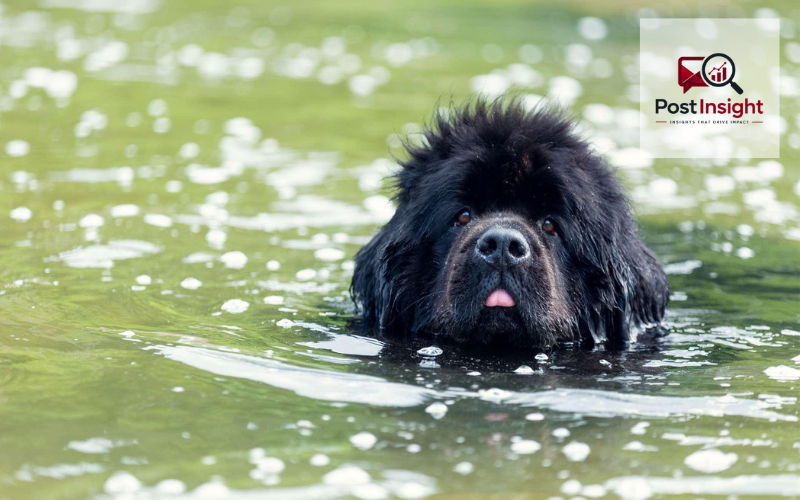
The dogs Newfoundland breed is best known for combining enormous size with an unusually calm and gentle personality. Commonly called the Newfoundland or “Newfie,” this Canadian working dog has a heavy body, thick double coat, powerful swimming ability, and a long history of helping people both on land and in water.
An adult Newfoundland can weigh as much as many people, yet the breed is widely known for being patient, affectionate, and closely attached to its family. The American Kennel Club describes Newfoundlands as sweet, devoted, and patient, with males averaging about 28 inches tall and females about 26 inches.
However, a Newfoundland dog is not a low-maintenance pet. Owners need enough space for a giant dog, time for regular grooming and training, tolerance for shedding and drool, and a realistic budget for food and veterinary care. Understanding those needs before getting a puppy is important because a small fluffy Newfoundland puppy quickly grows into a very large adult.
| Feature | Details |
| Origin | Newfoundland, Canada |
| Male Weight | About 130–150 lbs |
| Female Weight | About 100–120 lbs |
| Height | About 26–28 inches |
| Lifespan | Around 9–10 years |
| Temperament | Gentle, patient, loyal |
| Coat | Thick, water-resistant double coat |
| Exercise | Moderate daily activity; swimming is ideal |
| Grooming | Regular brushing; heavy shedding |
| Best For | Families prepared for a giant, high-maintenance dog |
The Newfoundland developed in Newfoundland, Canada, where strong working dogs were valuable to fishing communities. These dogs helped fishermen pull nets, retrieve objects from the water, haul carts, and perform other demanding jobs. Their strength and willingness to work around cold water became defining features of the breed.
Water rescue became especially closely connected with the Newfoundland. Its large body, powerful movement, water-resistant coat, and partially webbed feet made it well suited to working around boats and rough water. Historical accounts describe the dogs retrieving people and equipment from the sea and helping move heavy loads on shore.
Although most modern Newfoundlands live as companions rather than full-time working dogs, those original traits remain important. Water work, swimming, cart pulling, and other organized activities are still used to give Newfoundlands an outlet for the abilities that shaped the breed.
Newfoundland dog size is one of the first things prospective owners need to understand. According to the current AKC breed information, adult males average about 28 inches at the shoulder and usually weigh 130–150 pounds. Females average about 26 inches and typically weigh 100–120 pounds.
These dogs are not simply tall. They have a deep body, heavy bone, strong muscles, a broad frame, and substantial overall mass. Even a friendly Newfoundland can accidentally bump furniture, knock over a small child, or pull an adult off balance if leash manners have not been taught.
Puppies grow quickly, but physical maturity takes time. Owners should not treat a fast-growing young Newfoundland like a fully developed adult. Appropriate nutrition, controlled exercise, and veterinary monitoring are especially important during growth because joints and bones are still developing.
Daily life also requires practical planning. Owners may need a large vehicle, oversized crate, strong leash and harness, large bed, bigger food storage area, and enough indoor space for the dog to move comfortably.
A Newfoundland has a dense double coat designed for harsh conditions. The outer coat is coarse and water resistant, while the undercoat is softer and dense. This combination helps protect the dog in wet and cold environments.
Recognized Newfoundland colors include black, brown, gray, and white with black markings under the AKC standard. White-and-black Newfoundlands are often referred to as Landseer Newfoundlands in North America. Breed classification differs in some other parts of the world, where the Landseer may be treated separately.
The breed also has partially webbed feet, a strong body, and powerful limbs that support efficient swimming. These physical features do not mean every individual dog automatically knows how to perform water rescue safely, but they help explain why the Newfoundland became so strongly associated with swimming and lifesaving work.
The classic Newfoundland personality is gentle, patient, affectionate, and steady. The official breed standard places unusual importance on a sweet disposition, and an ill-tempered Newfoundland is considered uncharacteristic of the breed.
Newfoundlands often form strong bonds with their families and generally enjoy being close to people. They may look imposing because of their size, but most are not naturally sharp or aggressive guard dogs. They can still notice unusual activity and may alert their owners.
Their intelligence and working background can also make them responsive learners. Training usually works best when it is calm, consistent, and reward based. Individual personalities vary, however, so buyers should never assume every Newfoundland will behave exactly like the breed stereotype.
The phrase “gentle giant” fits the Newfoundland particularly well because its impressive physical strength is normally paired with a soft, people-focused temperament.
Newfoundlands have a long-standing reputation as family dogs and are often described as patient around children. PetMD notes that well-socialized Newfoundlands commonly live successfully with children, other dogs, and smaller household pets.
That reputation should not replace supervision. A dog weighing more than 100 pounds can accidentally knock over a toddler during play or simply by turning around quickly. Children should also learn not to climb on the dog, pull its coat, disturb it while eating, or treat it like a rideable animal.
Early socialization helps a Newfoundland learn how to behave calmly around different people and animals. Introductions to other pets should be gradual, especially when either animal is nervous or unfamiliar with large dogs.
A well-mannered Newfoundland can be a loving family companion, but successful family life depends on training and respectful interactions rather than breed reputation alone.
Despite their working history, Newfoundlands are not normally high-energy dogs that need hours of intense exercise. They do, however, need regular activity to maintain muscle, manage body weight, and prevent boredom.
Daily walks, relaxed outdoor exploration, swimming, and suitable training activities are good choices for many adults. PetMD describes the breed as moderately active and recommends regular walks and activities such as swimming for physical and mental stimulation.
Swimming can be particularly enjoyable because it allows a large dog to exercise with less repeated impact on the joints. Even so, dogs should be introduced to water safely and supervised. Strong natural swimming traits do not make a dog immune to exhaustion, currents, cold, or other hazards.
Growing puppies need a different approach. Short periods of controlled activity and free play are generally more suitable than long runs, repeated jumping, or heavy exercise. A veterinarian can help owners adjust activity as the puppy grows.
Training should start while a Newfoundland is still small enough to manage easily. Waiting until the dog weighs 100 pounds to teach leash manners, polite greetings, recall, and basic control can make everyday situations unnecessarily difficult.
Newfoundlands are generally intelligent and can respond well to positive reinforcement. PetMD specifically recommends early, consistent training and socialization because Newfoundland puppies grow rapidly and can become physically difficult to control if pulling or jumping becomes a habit.
Useful everyday skills include walking without pulling, waiting at doors, coming when called, settling calmly around visitors, and avoiding jumping on people. Exposure to different surfaces, noises, friendly people, grooming, car travel, veterinary handling, and other dogs can also help build confidence.
Harsh training is unnecessary and may damage trust. Clear rules, patience, rewards, and consistent practice are usually a better match for this sensitive working breed.
Owning a Newfoundland means accepting a significant amount of coat care. The thick double coat sheds throughout the year and often becomes much heavier during seasonal coat changes.
Thorough brushing at least once a week helps remove loose hair and prevent tangles and mats. During heavy shedding periods, more frequent brushing may be needed. PetMD also notes that the breed commonly sheds year-round and requires regular coat maintenance.
Drooling is another normal part of Newfoundland ownership. Water, food, excitement, and warm conditions can leave saliva around the mouth, chest, floor, and nearby furniture. Keeping washable towels nearby is a practical solution.
Owners should also maintain the nails, teeth, and ears. The floppy ears may hold moisture, particularly after swimming, so they should be checked regularly and cleaned according to veterinary advice.
The heavy coat also deserves special attention in warm weather. Outdoor activity should be adjusted during heat and humidity, with constant access to fresh water, shade, and a cool indoor environment.
Feeding a Newfoundland puppy is not simply a matter of providing as many calories as possible. Giant-breed puppies need controlled, balanced growth so their developing bones and joints are not placed under unnecessary stress.
A complete food formulated for large- or giant-breed puppies is generally appropriate when recommended by a veterinarian. PetMD recommends nutritionally complete puppy food designed for large and giant breeds and emphasizes that portions should match the individual dog’s growth, size, activity, and body condition.
As growth slows, portions should be adjusted. An adult Newfoundland that continues eating like a rapidly growing puppy can easily gain unwanted weight. Keeping the dog lean reduces unnecessary stress on the joints.
Because Newfoundlands can be at risk of gastric dilatation-volvulus, owners should also discuss meal size, feeding routine, exercise around meals, and individual risk factors with their veterinarian rather than relying on a single feeding rule for every dog.
The typical Newfoundland lifespan is about 9–10 years, according to current AKC and veterinary breed information. As with any breed, individual dogs may live shorter or longer lives depending on genetics, weight, preventive care, disease, and other factors.
Important orthopedic concerns include hip and elbow dysplasia, conditions in which joints develop abnormally and may later contribute to pain, arthritis, or reduced mobility. Maintaining a healthy body weight is especially valuable for a giant dog carrying substantial weight on its joints.
Heart health is another important consideration. Newfoundlands are associated with conditions including subaortic or subvalvular aortic stenosis, and dilated cardiomyopathy can also occur. Gastric dilatation-volvulus, commonly called GDV or severe bloat, is an emergency in which the stomach expands and may twist. Signs such as repeated unsuccessful retching, a swollen abdomen, severe restlessness, or collapse require immediate emergency veterinary attention.
Cystinuria is an inherited disorder that can lead to urinary crystals or stones. Because several important problems have inherited components, health testing of breeding dogs matters. The Newfoundland Club of America’s CHIC recommendations include hip evaluation, elbow evaluation, cardiac screening, and DNA testing for cystinuria.
People searching for Newfoundland puppies for sale or dogs Newfoundland breed for sale should focus on breeder quality before price or immediate availability. A responsible breeder should be willing to discuss the parents’ temperament, pedigree, veterinary history, and documented health testing.
For Newfoundlands, buyers should ask specifically about hips, elbows, cardiac screening, and cystinuria testing. The Newfoundland Club of America encourages public health records and recommends these core screenings for breeding stock.
There is no single official Newfoundland dog price in 2026. Current U.S. breeder examples show pet-puppy prices around $2,500 to $3,500, although cost can vary significantly with location, pedigree, testing, breeder expenses, and registration arrangements.
When evaluating dogs Newfoundland breeders, be cautious of sellers who always have many puppies immediately available, refuse to show health documentation, pressure buyers into sending deposits quickly, avoid meaningful conversations about the parents, or focus mainly on unusual colors and price.
Responsible breed rescue is another option for people searching for an adult Newfoundland. Whatever source you choose, price should never be the only deciding factor. A cheaper puppy with poor breeding, weak socialization, or missing health screening can create far greater emotional and financial costs later.
A Newfoundland mix has one Newfoundland parent or Newfoundland ancestry combined with another breed. Depending on the other parent, a mixed dog may inherit the Newfoundland’s large size, heavy coat, calm temperament, swimming interest, drooling, or some combination of these traits.
Mixed breeding does not make appearance or personality fully predictable. Even puppies from the same litter may differ in adult size, coat type, activity level, shedding, and behavior.
Whether choosing a purebred Newfoundland or a Newfoundland mix, owners should think beyond the puppy stage. A very large dog needs room to move, safe transportation, ongoing grooming, training, regular veterinary care, and a household comfortable with its physical presence.
The breed is usually best suited to someone who values a calm, people-oriented companion and is prepared for the practical realities of living with a giant dog.
The dogs Newfoundland breed offers an unusual combination of strength, swimming ability, patience, and affection. Its history as a Canadian working and water-rescue dog is still visible in the modern Newfoundland’s powerful build, thick coat, intelligence, and close relationship with people.
At the same time, owning one means managing giant Newfoundland dog size, substantial grooming, shedding, drooling, careful feeding, training, and breed-related health risks. Anyone considering a puppy should also look carefully at breeder health testing rather than choosing based only on appearance, availability, or price.
For a household that has enough space, time, financial preparation, and commitment to proper care, the Newfoundland can be a deeply devoted companion. The best decision is one made after understanding both the breed’s famous gentle nature and the everyday responsibilities that come with such a large dog.
Yes. Newfoundlands are generally gentle, affectionate, and patient family dogs. Their large size means interactions with small children should still be supervised.
Adult males commonly weigh about 130–150 pounds, while females usually weigh around 100–120 pounds. Their large build requires adequate living and travel space.
Yes. Their dense double coat sheds throughout the year and usually sheds more heavily during seasonal coat changes, making regular brushing important.
Newfoundlands are naturally strong swimmers and have a history of water work and rescue. Their powerful build, thick coat, and large paws help them move efficiently in water.
The average Newfoundland lifespan is around 9–10 years, although individual lifespan can vary depending on genetics, body weight, health conditions, nutrition, and veterinary care.
Disclaimer: This article provides general information about the Newfoundland dog breed and is not a substitute for professional veterinary, training, breeding, or nutritional advice.