
 11
11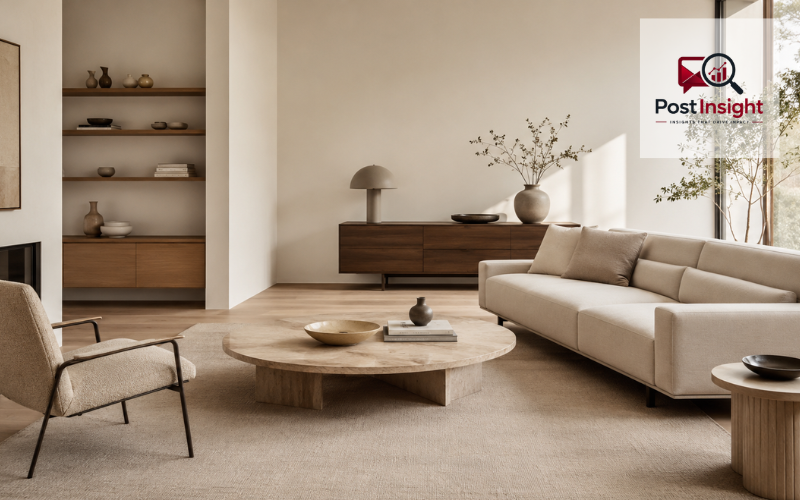
Minimalist furniture is built around a simple idea: a home should contain pieces that are useful, comfortable, and pleasant to look at without feeling crowded. It avoids heavy decoration, oversized shapes, and unnecessary details. Instead, it uses clean forms, practical layouts, and carefully chosen materials to create rooms that feel calm and organized.
This approach does not mean placing one chair in an empty white room. A successful minimalist home can still feel warm, personal, and welcoming. The difference is that each piece has a clear purpose and enough space around it to be noticed and used comfortably.
Carefully selected furniture can also make a room appear brighter and larger. Slim legs reveal more of the floor, low-profile designs keep sightlines open, and hidden storage reduces visible clutter. Current minimalist interiors often combine these practical features with natural wood, soft fabrics, curved edges, and warm neutral colors. plains the meaning of minimalist furniture, its main styles and materials, and how to use it in living rooms, bedrooms, home offices, and flexible spaces. It also covers sizing, affordability, storage, shopping, and common mistakes.
| Feature | What to Look For | Main Benefit |
| Design | Clean lines and simple shapes | Creates a calm appearance |
| Colors | White, beige, gray, taupe, and wood tones | Makes rooms feel balanced |
| Materials | Wood, metal, stone, glass, linen, and leather | Adds natural texture and durability |
| Storage | Hidden drawers and closed cabinets | Reduces visible clutter |
| Size | Slim frames and correctly scaled pieces | Keeps the room open and comfortable |
| Function | Extendable, modular, or multipurpose designs | Saves space and improves usefulness |
| Comfort | Supportive cushions and practical dimensions | Makes simple furniture suitable for daily use |
The simplest minimalist furniture meaning comes from the phrase “less is more.” In practical terms, this means choosing fewer pieces but making sure each one performs its job well. A dining table should provide enough space without taking over the room. A sofa should be comfortable without appearing bulky. A cabinet should organize belongings without adding visual noise.
Minimalist design removes decoration that does not improve comfort, function, or appearance. You will rarely see deep carvings, complicated patterns, oversized handles, or several unrelated finishes on one piece. However, simplicity should never come at the cost of comfort. A chair can have a plain shape while still offering good back support, and a simple bed can still feel soft and inviting.
Balance and negative space are also important. Negative space is the open area around furniture. Leaving part of a wall, floor, or corner empty allows the room to breathe and helps important pieces stand out.
True minimalism is therefore not about owning as little as possible. It is about keeping what supports your lifestyle and removing what creates unnecessary clutter. A well-designed minimalist room should feel complete, not empty.
Clean lines are one of the easiest features to recognize. Tables often have straight edges, sofas use simple outlines, and cabinets have smooth fronts. Some pieces also use gentle curves to soften the room without adding excessive decoration.
Minimalist furniture usually has low visual weight. This means it looks lighter than its actual size. Raised legs, open bases, slim frames, pale finishes, and narrow arms help reveal more of the surrounding floor and wall. These details can make a small room feel less crowded.
Every part of the furniture should have a reason to be there. A shelf may include a closed section for items that would otherwise create clutter. A coffee table may provide storage beneath its top. A desk may have a discreet channel for cables. Such details support daily use without drawing too much attention.
Hardware is normally simple or hidden. Cabinets may use recessed pulls, push-to-open doors, or handles that match the finish. Decorative details are limited and controlled so that the shape, material, and craftsmanship remain the main focus.
Minimalist furniture often appears in white, cream, beige, gray, taupe, black, and natural wood tones. These colors are easy to combine and help create a visually calm background. Muted green, clay, brown, and other soft earth tones can also work well, especially in warm minimalist interiors.
Natural materials give simple furniture character. Solid wood brings visible grain and warmth, while stone adds weight and texture. Metal can create a slim, strong frame, and glass can reduce visual bulk. Linen, wool, leather, and textured upholstery make seating more comfortable and keep neutral rooms from feeling cold.
Texture is especially important when the color palette is limited. A cream boucle chair, smooth oak table, woven rug, and linen sofa may use similar colors, but their different surfaces create depth. Designers continue to use raw materials, handwoven textiles, wood, metal, and stone to bring interest to calm minimalist spaces. inishes, repeat at least one material or color in different parts of the room. For example, the wood tone of a coffee table can appear again on a shelf or chair frame. This creates consistency without requiring every piece to match exactly.
Modern minimalist furniture often uses sharp geometric forms, straight edges, smooth surfaces, and controlled contrast. Common combinations include pale wood with black metal, white cabinets with hidden handles, or a simple sofa placed beside a glass or stone table. The overall effect is polished and orderly.
Japandi combines Japanese simplicity with the comfort and natural materials often linked with Scandinavian design. Furniture tends to sit low to the floor and may feature light or medium-toned wood, simple joinery, soft fabrics, and handcrafted details. The style suits people who prefer calm rooms that still feel natural and lived in.
Warm minimalism has become a strong alternative to cold, all-white interiors. It uses rounded sofas, curved tables, earthy colors, natural fibers, and layered textures. Recent examples of warm minimalist interiors show that sculptural shapes, wool, corduroy, linen, matte finishes, and organic tones can make a restrained room feel much more inviting. minimalism for a sharper appearance, Japandi for natural simplicity, or warm minimalism for greater softness. These styles can also be combined when their colors and materials remain connected.
A sofa is usually the largest item in a living room, so its size and shape affect the entire layout. Look for a streamlined design with simple arms, a low or medium-height back, and enough seat depth for comfortable daily use. Avoid choosing a sofa only because it looks slim in a photograph. Check whether it supports the number of people who regularly use the room.
A simple coffee table, one or two side tables, a media unit, and an occasional chair may be enough for many homes. Not every empty corner needs another piece of furniture. Open space improves movement and allows the seating area to feel clear and balanced.
In a small room, furniture with visible legs or an open base can make more of the floor visible. A movable ottoman, nesting table, or compact chair can provide flexibility without permanently filling the room. Designers also recommend mixing a well-scaled anchor piece with smaller movable items rather than using many equally small pieces, which can make a room feel disconnected. nimalist furniture living room, use a rug and seating arrangement to create a defined conversation area instead of spreading furniture around every wall.
The bed should remain the visual center of a minimalist bedroom. A low-profile wooden or upholstered frame creates a calm foundation without appearing heavy. Pair it with simple nightstands that provide enough surface space for a lamp, a book, and daily essentials.
Storage is important because visible clothing and personal items can quickly disturb a peaceful bedroom. Under-bed drawers, lift-up storage frames, closed wardrobes, and handle-free chests help keep these items organized. However, storage furniture should still be easy to open and strong enough for regular use.
Soft materials prevent the room from feeling bare. Linen bedding, wool rugs, upholstered headboards, warm timber, and fabric curtains add comfort without introducing busy patterns. Current bedroom guidance continues to favor pieces that serve both a visual and practical purpose, along with durable materials such as wood, stone, and woven textiles. inimalist furniture bedroom arrangement should support the morning and evening routine. Leave clear access to the bed, wardrobe, windows, and doors. The goal is not perfect emptiness but a restful space that remains easy to use.
A minimalist home office begins with a desk that fits the work being done. A laptop user may need only a compact surface, while someone using two monitors requires more width and depth. Choose a design with a simple frame and enough storage to prevent paperwork, chargers, and office supplies from covering the desktop.
Cable management makes a major difference. Built-in openings, under-desk trays, clips, and hidden power strips keep cords from becoming a visual distraction. Slim shelves can hold books and useful items, while closed cabinets hide equipment that does not need to remain on display.
An office chair should be selected for comfort and support rather than appearance alone. Many ergonomic chairs now use simple shapes and quiet colors that fit easily into a minimalist room.
Flexible furniture is useful when an office also serves as a guest room or living area. A folding desk, wall-mounted work surface, wheeled cabinet, or lightweight table can be moved when the room needs another purpose. This keeps the space adaptable without filling it with several permanent pieces.
Multifunctional furniture is especially useful in apartments and small homes. A storage bench can provide seating and hold blankets. Nesting tables can separate when extra surfaces are needed and slide together afterward. A sofa bed can turn a living room into a guest space, while an extendable table can remain compact during normal use.
Hidden storage supports a minimalist appearance because it gives everyday belongings a fixed place. Lift-top coffee tables, beds with drawers, ottomans with compartments, and closed media units can keep surfaces tidy. Recent small-space guidance continues to emphasize built-in storage, wall-mounted solutions, and furniture that performs more than one function. features do not always make a piece better. A complicated table with several moving parts may be difficult to operate or repair. Choose functions that match genuine daily needs.
Check the strength of hinges, lifting systems, frames, and moving sections before purchasing. A multifunctional piece should be just as stable and comfortable as a standard item. Saving space is useful only when the furniture remains safe and convenient.
Measure the room before shopping. Record the length of each wall, ceiling height, door and window positions, and the location of fixed features such as radiators. You should also measure doorways, hallways, staircases, and elevators to confirm that the furniture can reach the room. Current measuring guides continue to stress checking room height, wall length, door dimensions, and existing furniture before planning a purchase. es how a piece relates to the room and nearby furniture. A very deep sofa can overwhelm a narrow living room, while a tiny coffee table may look lost beside a large sectional. Consider height as well as width and depth. Low furniture can support open sightlines, but using only very low pieces in a tall room may make the layout feel unfinished.
Mark the furniture dimensions on the floor with removable tape or sheets of paper. This simple step shows how much walking space will remain and whether doors and drawers can open fully.
Do not assume every wall needs furniture. Intentional empty areas create visual rest and make movement easier. The best layout feels open while still supporting normal activities.
Creating a minimalist home does not require buying expensive designer furniture. Start with the pieces that affect comfort and daily use most, such as the bed, sofa, dining chairs, or office chair. Less important supporting items can be purchased gradually.
Compare furniture by looking beyond its outer appearance. Check the frame material, joints, fabric quality, cushion support, weight limits, care instructions, and warranty. A low price may not represent good value if the item becomes unstable or uncomfortable after a short time.
Affordable minimalist furniture can combine one or two long-term investment pieces with simpler budget-friendly items. For example, you might spend more on a durable sofa but choose inexpensive side tables that can be replaced easily. Current furniture buying guidance also recommends paying close attention to materials when comparing affordable seating. s, secondhand shops, local marketplaces, display models, and outlet collections can reduce costs. Used solid-wood furniture may also be cleaned or refinished. Always check secondhand upholstered pieces carefully for odors, stains, pests, and structural damage before bringing them home.
When comparing minimalist furniture brands, study more than product photographs. Look at the materials, construction methods, dimensions, care requirements, warranty coverage, and availability of replacement parts. Customer reviews are most useful when they describe comfort, assembly, delivery, and long-term use rather than first impressions.
A specialist minimalist furniture store may offer a more focused collection and better style guidance. A general furniture retailer usually provides more price levels and product types. Online marketplaces can offer greater variety, but quality and customer service may differ between sellers.
A minimalist furniture outlet often sells discontinued designs, previous-season stock, customer returns, excess inventory, or floor-display pieces. These products may cost less, but inspect the condition and confirm whether the normal warranty and return policy still apply.
Before ordering, check delivery charges, assembly costs, return deadlines, restocking fees, and who pays for return shipping. Read the full dimensions instead of judging scale from styled photographs. It is also wise to request material samples when choosing fabric, wood, or leather online because colors and textures can look different on a screen.
One common mistake is choosing appearance over comfort. A thin sofa, hard chair, or low bed may look attractive but become unpleasant during regular use. Sit on furniture when possible, check the measurements, and consider the needs of everyone in the home.
Another mistake is using one neutral shade everywhere. A room filled with similar smooth beige surfaces may feel flat rather than calm. Add depth through wood grain, woven fabric, stone, metal, plants, and a small amount of contrast.
Removing too much can also create problems. A living room without enough seating, a bedroom without suitable storage, or an office without a supportive chair is not successful minimalism. Each room must still serve its purpose.
Avoid filling every surface with decorations after carefully choosing simple furniture. At the same time, do not remove all personal items. A few meaningful books, photographs, artworks, or handmade objects can make the home feel personal.
Finally, avoid buying several trend-driven pieces at once. Choose forms and materials you genuinely enjoy and that can adapt if your taste or living situation changes.
Minimalist furniture can make a home feel calmer, more organized, and easier to use. Its value comes from thoughtful design rather than from an empty appearance. Clean lines, useful storage, well-chosen materials, suitable proportions, and open space all work together to create rooms that feel balanced.
The right choices will depend on the size of the room, the people who use it, and the activities that happen there. A family living room may need durable seating and hidden toy storage, while a small apartment may benefit from nesting tables and a sofa bed. There is no single minimalist layout that works for every home.
Purchase slowly, measure carefully, and pay attention to comfort and construction. Compare minimalist furniture brands, stores, outlets, and secondhand options based on long-term value rather than image alone.
Successful minimalism is not about creating a home with almost nothing inside it. It is about choosing fewer, better-suited pieces that support daily life, reduce unnecessary clutter, and leave enough space for the room—and the people in it—to breathe.
Minimalist furniture is designed around simplicity, function, and comfort. It normally features clean lines, limited decoration, neutral colors, practical storage, and carefully selected materials that help rooms feel organized and spacious.
Yes. Slim frames, raised legs, compact shapes, and multipurpose storage can make a small room feel more open. However, every piece should be measured carefully before it is purchased.
White, cream, beige, gray, taupe, black, and natural wood tones are common choices. Soft greens, browns, and earthy shades can also add warmth without making the room feel visually busy.
No. Natural wood, textured fabrics, curved edges, rugs, cushions, and warm neutral colors can make minimalist furniture feel comfortable and welcoming while maintaining a clean and uncluttered appearance.
Compare materials and construction, shop during seasonal sales, visit furniture outlets, and consider quality secondhand pieces. Focus your budget on essential furniture that needs to provide comfort and withstand frequent use.
Disclaimer: This article provides general furniture and interior design information. Always check product dimensions, materials, safety instructions, warranties, and return policies before purchasing furniture for your home.


