 11
11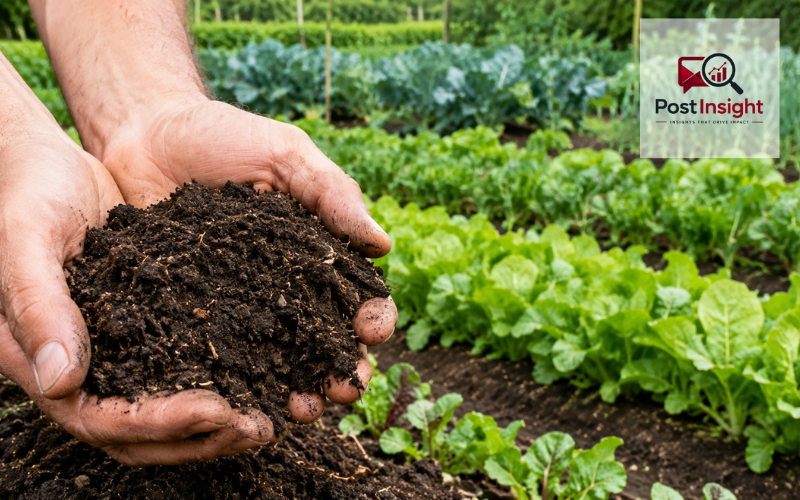
Loam is often described as the soil gardeners wish they already had. It contains a useful balance of mineral particles, usually sand, silt, and clay, arranged in a structure that can hold water without staying soaked for too long. When it is healthy and not compacted, loam also leaves enough pore space for air to move around plant roots. This balance makes it easier for roots to spread, absorb water, and reach nutrients.
However, loam is not a perfect soil that never needs care. Its quality still depends on organic matter, drainage, pH, compaction, and nutrient levels. One patch of loam may be highly productive, while another loamy area may be low in fertility or poorly drained. This guide explains the loam meaning, composition, texture, types, identification methods, common uses, and what to look for when buying loam soil.
| Loam Type | Main Quality | Drainage | Moisture Retention | Best Use |
| Balanced loam | Crumbly and easy to work | Good | Good | General gardening and crops |
| Sandy loam | Light and gritty | Fast | Moderate | Root vegetables and herbs |
| Silt loam | Smooth and soft | Moderate | High | Lawns, vegetables, and field crops |
| Clay loam | Dense and slightly sticky | Slow | High | Moisture-loving plants and fertile beds |
In soil science, loam means a soil texture made from a mixture of sand, silt, and clay in proportions that avoid the strongest limits of any one particle type. Sand improves drainage and creates larger spaces. Silt adds a soft feel and helps hold moisture. Clay has very small particles that can store water and plant nutrients. Together, these particles can form a workable, crumbly soil.
The usual loam pronunciation is “lohm,” rhyming with “home.” The word is most often linked with fertile garden or farm soil, although older definitions also refer to earth-based mixtures used in plastering, molding, and construction. In everyday gardening, “loam” almost always means a balanced mineral soil rather than a brand or building product.
A common example of ideal loam soil is about 40 percent sand, 40 percent silt, and 20 percent clay. This simple ratio is useful for explaining the idea, but natural loam does not have to match it exactly. The USDA soil texture system uses a triangle with wider percentage ranges to classify soils as loam, sandy loam, silt loam, clay loam, and other textures. A small change in the particle balance can move a sample into a neighboring class.
Organic matter is also important, but it is not part of the mineral texture calculation. Decomposed leaves, roots, compost, and other plant or animal remains help particles gather into stable crumbs called aggregates. Organic matter can improve water storage, drainage, nutrient holding, and biological activity. A soil may technically be loam while containing little organic matter, so texture and soil health should not be treated as the same thing.
Healthy loam usually feels slightly gritty because of its sand, yet smooth or silky because of its silt. The clay gives it enough stickiness to hold together for a moment. Gardeners often call good loam “friable,” meaning it breaks into small crumbs instead of forming hard blocks or loose dust.
To try a squeeze test, moisten a handful until it feels damp but not dripping. Press it into a ball. Loam usually holds its shape briefly, then breaks apart when you press or poke it. Very sandy soil falls apart quickly, while clay-rich soil tends to stay in a firm, sticky mass and may form a longer ribbon between the thumb and finger. This home test is useful, but it only gives an estimate.
Loam color may be light brown, dark brown, reddish brown, yellowish, or grayish. Color depends on organic matter, minerals, moisture, and drainage, not texture alone. Dark soil can suggest more organic matter, while red or yellow shades may reflect iron compounds. Gray colors can be linked with long periods of wetness, but color by itself does not prove whether a soil is fertile or well drained.
Loam is valued because it manages water better than many extreme soil textures. Large pores between sand grains allow extra water to move away, while smaller spaces around silt, clay, and organic matter hold moisture that roots can use later. The result is often steady moisture without the constant dryness of very sandy ground or the slow drainage of heavy clay.
Air movement is just as important as water. Roots need oxygen for normal growth, and many helpful soil organisms also depend on air-filled pore spaces. When loam has a stable crumb structure, roots can move through it with less resistance. This encourages wider and deeper root systems, which can help plants cope with short dry periods and reach a larger supply of nutrients.
Compaction can remove these advantages, so even good loam should not be walked on or worked when it is very wet. Repeated foot traffic or heavy machinery can press out air spaces, slow drainage, and make it harder for roots to spread.
Clay particles and stable organic matter carry electrical charges that help hold nutrient ions instead of allowing them to wash away quickly. This gives loam a better nutrient-holding ability than very sandy soil. Organic matter also feeds bacteria, fungi, earthworms, and other organisms that break down residues and release nutrients in forms plants can use.
Still, loam is not automatically rich in every nutrient. Soil pH, past fertilizer use, rainfall, crop removal, and local geology all affect fertility. A loamy garden may be short of nitrogen, phosphorus, potassium, or a micronutrient. It may also contain too much of something because of repeated compost or fertilizer applications.
A laboratory soil test can estimate texture, pH, organic matter, and key nutrient levels. The results help gardeners understand what the soil actually needs instead of adding compost, lime, or fertilizer without a clear reason.
Loam is part of a larger group of soil texture classes. Balanced loam contains useful amounts of all three mineral particles without one having an overwhelming effect. Sandy loam has more sand and feels lighter. Silt loam contains a larger share of silt and usually feels smooth. Clay loam contains enough clay to be denser, stickier, and slower draining than ordinary loam.
These names do not describe soil quality on their own. A sandy loam with good organic matter and careful irrigation can grow excellent crops. A compacted silt loam may drain poorly even though its texture has strong natural potential. The USDA texture triangle is used to classify a sample once its sand, silt, and clay percentages are known.
Sandy loam is a loose, gritty soil with enough silt and clay to hold more moisture and nutrients than pure sand. It usually drains quickly, warms earlier in spring, and is easy to dig or cultivate. Root crops such as carrots and potatoes often develop well in loose soil, while many herbs and plants that dislike wet roots also benefit from the drainage.
The main weakness of sandy loam is that it can dry out faster than heavier loam. Water and soluble nutrients may move below the root zone if irrigation or fertilizer is applied too heavily. This can leave plants dry even when the garden has been watered regularly.
Compost, leaf mold, crop residues, and mulch can improve water storage and reduce surface drying. Gardeners may also need to water sandy loam more often but in controlled amounts, especially during hot or windy weather.
Silt loam feels soft and flour-like when dry and smooth when moist. It can hold a generous amount of plant-available water, making it productive for many field crops, vegetables, and lawns. However, exposed silt-rich soil can crust, compact, or erode when rain strikes the surface. Keeping it covered with plants, mulch, or crop residue helps protect its structure.
Clay loam is heavier and more resistant to digging. It usually holds nutrients well and can store substantial moisture, but it drains and warms more slowly. Working clay loam while wet can press particles together and create hard clods. Organic matter, living roots, and reduced traffic can help maintain stable aggregates.
Compared with sandy loam, both silt loam and clay loam often need less frequent watering. However, they require closer attention to drainage, surface runoff, and compaction.
Begin by looking at the soil and rubbing a damp sample between your fingers. Loam should show a mixture of qualities rather than feeling only gritty, silky, or sticky. Try the squeeze test and note whether the ball holds briefly before crumbling. You can also watch how quickly water enters the ground after irrigation.
Slow infiltration may point to clay, compaction, or a dense lower layer. Very rapid drainage and drying may suggest a high sand content. These observations provide useful clues, although weather and recent soil disturbance can affect the results.
A soil-jar test gives a rough picture of particle proportions. Remove stones and plant pieces, place soil in a clear jar with water, shake it well, and leave it undisturbed. Sand settles first, silt follows, and the finest clay remains suspended longest before forming the upper layer. Measure the layers and compare their proportions with a soil texture triangle.
The jar method is useful for home observation, but a professional test is better when you need accurate texture, pH, organic matter, or fertilizer guidance.
You cannot quickly change a large area of sand or clay into true loam because texture depends on the proportions of mineral particles. However, you can improve how the existing soil behaves.
Regular additions of finished compost, shredded leaves, aged plant material, or suitable manure help particles form aggregates. In sandy soil, organic matter improves water and nutrient retention. In clay-heavy soil, it creates better pore space, drainage, and aeration. These improvements can make difficult soil behave more like healthy loam even when its official texture class remains unchanged.
Mulch protects the surface from heavy rain, high temperatures, and rapid drying. Plant roots and soil organisms also support soil structure over time. Avoid walking or driving on growing areas, and do not dig heavy soil when it is wet enough to smear or stick to tools. Excessive tilling can break aggregates and speed the loss of organic matter.
Adding a small amount of sand to heavy clay is usually not a shortcut. It may make the soil denser or more concrete-like unless very large amounts and suitable organic amendments are used. For most home gardens, repeated organic-matter additions are safer and more practical.
Loam soil is suitable for vegetable plots, flower beds, lawns, shrubs, orchards, and many crop fields because it offers a useful middle ground between water storage and drainage. It is also used in raised-bed mixes and landscape grading when the chosen material has the right structure and is free from harmful debris.
Screened loam has usually been passed through equipment to remove large stones, roots, and rubbish. This makes it easier to spread, but screening does not guarantee fertility or good drainage. A screened product can still be low in organic matter or unsuitable for certain plants.
Blended topsoil may combine mineral soil with compost or other organic material. Such blends can be useful for new lawns and raised beds, but buyers should ask what the mixture contains instead of relying only on the word “loam.”
The word also has a traditional building meaning. Earth containing clay, sand, and sometimes straw has long been shaped into walls, plaster, or sun-dried blocks. This use is separate from gardening, although both meanings refer to workable mixtures of earth materials.
People searching for where to buy loam soil can start with local garden centers, plant nurseries, landscape-material yards, farms, compost suppliers, and bulk soil delivery companies. Bagged products are convenient for small beds, while bulk delivery is usually more practical for lawns, large borders, or raised-bed projects.
Ask the seller whether the product is natural loam, screened topsoil, fill dirt, or a manufactured blend. Topsoil only means soil taken from or intended to represent an upper layer; it does not guarantee a loam texture. Fill soil is mainly used to raise or level ground and may contain subsoil, stones, or low-fertility material. A manufactured blend may be excellent, but its ingredients and proportions should be clear.
Before buying, inspect a sample. Check whether it crumbles, drains, and smells earthy rather than sour or chemical. Look for weeds, roots, plastic, glass, construction waste, or excessive stones. For large or sensitive projects, ask about pH, organic matter, nutrient tests, soluble salts, and possible contamination.
Confirm whether the quoted volume is measured loose or compacted and whether delivery fees are included. Local testing is especially useful because soil needs vary by region and intended use.
Search results for loam fibre or loam prebiotic may refer to LOAM, a commercial prebiotic fiber supplement rather than soil. The company describes its product as a blend of several prebiotic fibers intended to feed different groups of gut bacteria. That brand use is inspired by the idea of feeding an inner ecosystem, but it has no connection with the sand, silt, and clay found in garden loam.
Commercial product claims should not be confused with independent medical advice. Anyone considering a fiber supplement should review its ingredients and decide whether it is suitable for their health needs, especially if they have digestive problems or take medication.
Loam Bio is another separate meaning. It is an agricultural biotechnology company developing fungal seed treatments and soil-carbon programs designed to help plants store more stable carbon in agricultural soils. Its name is linked with farming and soil, but “Loam Bio” is a company name, not a soil texture class.
Loam is popular because it offers a practical balance. It can drain excess water, retain usable moisture, hold nutrients, support soil organisms, and provide a crumbly structure in which roots can grow. Sandy loam, silt loam, and clay loam share these general qualities but differ in drainage, water storage, and ease of cultivation.
The name alone does not tell the whole story. Good growing soil depends on texture, organic matter, structure, drainage, pH, fertility, and how the ground is managed. A soil described as loam can still be compacted, nutrient-poor, contaminated, or unsuitable for a particular plant.
Before planting, use simple touch and jar tests for an early idea, then choose a laboratory test when accuracy matters. When purchasing loam soil, examine the material and ask what it contains. When improving existing ground, focus on compost, mulch, living roots, and reduced compaction rather than trying to force a rapid change in texture.
Loam is suitable for many plants because it balances drainage, moisture retention, airflow, and nutrient storage. However, its pH, organic matter, and fertility should still match the needs of the plants being grown.
Loam describes a soil texture made from sand, silt, and clay. Topsoil describes the upper soil layer. Topsoil may be loamy, sandy, clay-heavy, poor-quality, or blended with compost.
Add finished compost and organic matter regularly, protect the surface with mulch, avoid compacting wet soil, and reduce unnecessary digging. These steps improve soil structure even if its natural texture does not change.
Loam can hold nutrients well, but it may still lack certain nutrients. A soil test can show whether compost, fertilizer, lime, or another amendment is actually needed before planting.
Loam soil may be available from garden centers, nurseries, landscape suppliers, farms, and bulk-soil companies. Ask for a sample and check its texture, ingredients, cleanliness, drainage, and test information before buying.
Disclaimer: This article provides general gardening and soil information. Soil conditions vary by location, so consider professional testing or local agricultural advice before making major soil amendments.