 11
11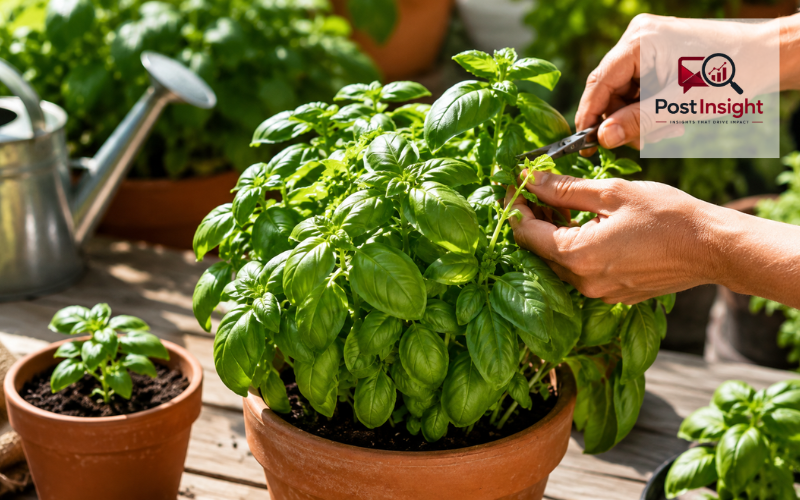
Learning how to grow basil is a rewarding starting point for anyone interested in fresh herbs. Basil grows quickly, responds well to regular harvesting, and can thrive in gardens, containers, or sunny indoor spaces. With the right care, a single healthy plant can provide fresh leaves for many weeks.
Basil is a warm-season herb. It grows best when it receives plenty of sunlight, steady warmth, and evenly moist soil. Good drainage is just as important because basil roots can become damaged if they remain in wet, heavy soil. Regular pruning also plays a major role. Cutting the stems correctly encourages the plant to produce more branches instead of becoming tall, thin, and weak.
There are several ways to start growing basil. You can sow seeds, root stems from cuttings, repot a young nursery plant, or separate an overcrowded supermarket basil pot. Basil cuttings can also be rooted in water before they are transferred to soil. Indoors, basil can grow near a sunny window or beneath a suitable grow light.
Basil seeds usually sprout within about five to ten days when they are kept warm and moist. Young plants can often provide small harvests within several weeks, although the exact timing depends on the variety, temperature, light, and growing method. Because basil is sensitive to cold, outdoor plants are normally grown during the warmer months. Indoor plants may continue growing for longer when they receive enough light and warmth.
| Growing Requirement | Best Practice |
| Sunlight | Provide 6–8 hours of direct sunlight daily |
| Temperature | Keep basil between 70°F and 90°F |
| Soil | Use loose, nutrient-rich, well-drained soil |
| Watering | Water when the top inch of soil feels dry |
| Spacing | Leave 8–12 inches between outdoor plants |
| Pruning | Cut stems just above a healthy leaf node |
| Harvesting | Remove upper stems regularly |
| Flower buds | Pinch them off to delay bolting |
Basil needs at least six hours of direct sunlight each day, although eight hours can support fuller and stronger growth. Plants that receive too little light often develop long stems, pale leaves, and wide spaces between each set of leaves. These signs usually mean the plant is stretching toward a brighter area.
In very hot climates, strong afternoon sunlight can sometimes cause leaves to wilt or develop scorched patches. In these conditions, basil may benefit from morning sun followed by light shade during the hottest part of the day. Container-grown basil can easily be moved when extreme heat is expected.
Warmth is essential when learning how to grow basil successfully. The plant generally performs best between 70°F and 90°F, or about 21°C to 32°C. Growth slows in cool conditions, and temperatures below 50°F, or 10°C, may cause stress. Frost can quickly kill basil, so outdoor planting should wait until the danger of frost has passed and nights are reliably warm.
The soil should be loose, fertile, and able to drain excess water. Mixing compost into garden soil can improve both its texture and nutrient content. In containers, use fresh potting mix rather than dense garden soil. Basil also needs airflow around its leaves. Crowded plants stay damp for longer, which may encourage fungal problems and weak growth.
The best way to start basil depends on how quickly you want leaves, how much space you have, and whether you plan to grow indoors or outside. Seeds are affordable and allow you to choose from many varieties. However, they require more time and attention during the early stages.
Cuttings are useful when you already have access to a healthy basil plant. They often develop roots quickly and produce a plant that is identical to the parent. This method can be faster than starting from seed, especially during the middle of the growing season.
Young plants from a nursery are usually the easiest choice for beginners. They have already passed the delicate seedling stage and can be moved into a larger pot or garden bed. Supermarket basil can also be used, but the crowded seedlings usually need to be separated before they can grow well.
Indoor growing offers more control over temperature and weather. It is helpful in cold climates or during the winter, but natural light may be limited. Outdoor basil normally receives stronger sunlight and better airflow, although it must be protected from cold nights, strong winds, and intense heat.
To learn how to grow basil from seed, begin with fresh seeds and a clean, light seed-starting mix. Fill small pots or seed trays with the mix, moisten it gently, and sow each seed about one-quarter inch deep. Cover the seeds lightly rather than pressing them far into the soil.
Place the containers in a warm area around 70°F, or 21°C. The soil should remain evenly moist but not soaked. A gentle spray bottle can help prevent the seeds from being washed out of place. Under suitable conditions, basil commonly germinates within five to ten days.
Once the seedlings appear, move them into bright light. A sunny window may work, but seedlings often need a grow light to prevent stretching. Keep the light close enough to support compact growth without allowing it to touch or heat the leaves.
When seedlings develop two or three sets of true leaves, remove the weakest ones if they are crowded. If several plants share one container, transplant them carefully into separate pots. Handle them by the leaves rather than pulling on the delicate stems.
For anyone growing basil from seed outdoors, wait until the soil has warmed and frost is no longer expected. Seeds can be planted directly in prepared soil, but keep the surface consistently moist during germination. Space the developing plants according to their variety, usually around eight to twelve inches apart, to provide enough room and airflow.
Growing basil from cuttings is a simple way to create new plants without waiting for seeds to germinate. Choose a healthy stem that is about four inches long and does not have flowers. A flowering stem may root less easily because the plant is already directing energy toward seed production.
Make the cut just below a leaf node, which is the point where leaves grow from the stem. Remove the leaves from the lower half while keeping a few healthy leaves at the top. Avoid damaging the small nodes because roots will usually form from these areas.
The prepared cutting can be placed in water or directly into moist potting mix. When using soil, keep the mix lightly damp and place the pot in bright, indirect light until new growth appears. A clear cover can help retain moisture, but it should not press against the leaves.
When rooting in water, roots often begin appearing within one to two weeks. Wait until several roots are at least one or two inches long before transferring the cutting to soil. After planting, keep the soil evenly moist for the first few days while the new roots adjust. Protect the young plant from intense midday sun until it begins growing actively.
Many people searching for how to grow basil in water are interested in simple propagation. Start with a healthy, non-flowering stem and remove the lower leaves. Place the bare portion of the stem in a clean glass or jar while keeping the remaining leaves above the water.
Use fresh, room-temperature water and place the container in bright, indirect light. Harsh sun shining through the glass may heat the water and stress the cutting. Change the water every few days or whenever it becomes cloudy. Cleaning the container can also reduce the growth of bacteria and algae.
Roots usually appear within one to two weeks. The cutting can then be planted in potting mix for long-term growth. Keeping basil permanently in plain water is different from short-term propagation. A plant grown hydroponically for a long period needs oxygen, nutrients, proper support, and regular water management. Plain tap water alone may support roots temporarily, but it does not provide all the nutrients required for continued healthy growth.
Growing basil in pots is practical for balconies, patios, windowsills, and small gardens. Choose a container that is at least eight inches deep and has several drainage holes. Larger pots hold moisture more evenly and provide more space for roots, so they are often easier to manage during warm weather.
Fill the container with loose, nutrient-rich potting mix. Do not use heavy garden soil because it may become compacted and drain poorly. A small amount of compost can improve the mix, but avoid adding so much rich material that the soil stays constantly wet.
One mature basil plant can grow comfortably in a pot around eight to ten inches wide. A wider container may hold several plants, provided they are spaced far enough apart. Crowding can reduce airflow and make watering more difficult.
Place outdoor pots where the plants receive morning and midday sun. Indoor pots should be positioned near the brightest available window. Check containers frequently because potting mix dries faster than garden soil. If roots begin circling the inside of the pot or growing through the drainage holes, move the plant into a slightly larger container.
Understanding how to grow basil indoors begins with light. Place the pot near a bright south-facing or west-facing window when possible. The plant should receive around six to eight hours of strong light. Rotate the container every few days so that all sides of the plant receive similar exposure.
During winter or in rooms with limited natural light, a grow light may be necessary. Keep it on for around twelve to fourteen hours per day, depending on its strength and distance from the plant. Basil grown under weak light often becomes leggy even when every other part of its care is correct.
Indoor temperatures should remain warm and stable. Keep the plant away from cold windows, air-conditioning vents, and strong heating sources. Gentle airflow is helpful, but constant cold drafts can slow growth.
Water when the top inch of potting mix feels slightly dry. Indoor basil may need less frequent watering than outdoor plants because the soil dries more slowly. Empty any water that collects in the saucer. Regular pruning, balanced light, and careful watering are the main steps for keeping indoor basil full rather than thin and stretched.
A supermarket basil pot often contains many young seedlings packed closely together. This creates the appearance of a full plant, but the roots quickly compete for water, nutrients, and space. Without repotting, the plants may wilt, turn yellow, or stop producing new leaves.
Water the original pot lightly before separating the plants. Remove the entire root ball and gently pull it into smaller groups. It is not always necessary to separate every seedling. Dividing the pot into three or four sections can reduce root damage while still giving each group more room.
Plant each section in a container with drainage holes and fresh potting mix. Keep the newly divided plants in bright, indirect light for a few days before exposing them to stronger sun. The leaves may droop temporarily after repotting, but they often recover when the soil remains lightly moist.
When growing basil from a supermarket plant indoors, avoid placing every divided section back into one crowded container. Provide warmth, strong light, and airflow. Remove any badly damaged leaves, but do not prune heavily until the plants show signs of recovery and new growth.
Basil prefers evenly moist soil, but it should never sit in water. Check the top inch of soil with your finger. If it feels dry, water deeply until a small amount drains from the bottom of the pot. This is usually better than giving the plant tiny amounts of water several times a day.
Water near the base rather than pouring water over the leaves. Wet foliage, especially at night, may increase the risk of leaf diseases. Morning watering gives any splashed moisture time to dry.
Yellow lower leaves and constantly wet soil may indicate overwatering or poor drainage. Dry, curling leaves and wilted stems can point to underwatering, although basil may also wilt temporarily during intense heat. Always check the soil before adding more water.
Garden basil often grows well with compost added before planting. Container plants may need a diluted balanced fertilizer every few weeks, especially after repeated harvesting. Avoid heavy feeding. Too much fertilizer can produce soft, weak growth and may reduce the concentration of flavor in the leaves.
Pruning is one of the most important parts of learning how to grow basil. Without regular cuts, the plant may produce one tall central stem with only a few side branches. Correct pruning encourages two new stems to grow from the point below each cut.
Begin when the young plant is around six inches tall and has at least three sets of true leaves. Find a healthy pair of leaves on the central stem and cut just above that point. Small shoots in the leaf joints will then begin developing into branches.
Repeat this process whenever a branch produces several new leaves. Always cut above a leaf node rather than leaving a long bare section of stem. Removing only the largest lower leaves does not create the same branching effect and can eventually leave the plant with unattractive woody stems.
Flower buds should also be pinched off when they appear. Flowering, commonly called bolting, is a normal part of the plant’s life cycle. However, it directs energy away from leaf production and may cause the leaves to develop a stronger or more bitter taste. Regular pruning and harvesting can delay flowering, although mature basil will eventually try to bloom.
Harvest basil from the upper stems by cutting just above a pair of leaves. This method provides usable leaves while encouraging the plant to branch. Small, frequent harvests are usually better than allowing the plant to become overgrown and cutting it back severely.
Avoid removing more than about one-third of the plant at one time. Leaving enough healthy foliage allows basil to continue making energy and producing new growth. The best time to harvest is often in the morning after the dew has dried but before the day becomes very hot.
Fresh basil can be used immediately in sauces, salads, soups, sandwiches, and many other dishes. Short stems may be kept in a glass of water at room temperature for a brief period. Refrigeration can sometimes darken basil leaves, especially when they are exposed to cold, so wrap them gently and use them soon.
For longer storage, basil can be chopped and frozen with water or olive oil in small portions. It may also be dried, although drying changes its fresh flavor. Freezing generally preserves more of the plant’s original aroma.
Leggy basil usually needs stronger light or more frequent pruning. Move the plant to a brighter location, adjust the grow light, and cut long stems above healthy leaf nodes. New growth should gradually become fuller.
Yellow leaves can result from overwatering, compacted soil, poor drainage, root crowding, or nutrient shortages. Check the soil and drainage before adding fertilizer. If the roots have filled the container, repotting may be more helpful than feeding.
Wilting is not always caused by dry soil. Plants may droop during extreme heat or after transplanting. If the soil is already damp, provide temporary shade and allow the plant time to recover instead of adding more water.
Aphids and spider mites may gather on tender stems or beneath leaves. A gentle spray of water can remove small numbers. Slugs and snails may damage outdoor basil, especially in damp areas. Keeping the growing space clean and checking plants regularly can prevent minor pest problems from becoming serious.
Leaf spots and mildew are more common when plants are crowded or leaves remain wet. Improve spacing, water at soil level, and remove badly affected leaves. Early flowering may be caused by heat, stress, age, or missed pruning. Pinching off flower buds can extend the harvest, but replacing older plants with new seedlings or cuttings may eventually be necessary.
Knowing how to grow basil successfully comes down to a few consistent habits. Give the plant plenty of sunlight, keep it warm, use loose soil with good drainage, and water when the surface begins to dry. Regular pruning and harvesting will help basil develop more branches and continue producing tender leaves.
The same basic care applies whether you are growing basil indoors, planting it outside from seed, rooting cuttings in water, or keeping it in pots. Supermarket plants can also become productive when their crowded roots are divided and given more space.
Watch how your basil responds rather than following a fixed schedule without checking the plant. Changes in weather, light, pot size, and season will affect how often it needs water, pruning, and feeding. With steady care and a few timely adjustments, basil can remain full, healthy, and productive throughout the warm growing season.
Basil seeds usually germinate within five to ten days in warm conditions. Small harvests may begin after four to eight weeks, depending on sunlight, temperature, variety, and overall plant care.
Basil can grow well in either location. Outdoor plants often receive stronger sunlight and airflow, while indoor basil benefits from stable temperatures but may require a grow light during darker months.
Water basil when the top inch of soil feels slightly dry. The exact frequency depends on heat, sunlight, pot size, and location, so check the soil instead of following a fixed schedule.
Tall, thin basil usually receives too little light or has not been pruned regularly. Move it to a brighter location and cut long stems just above healthy leaf nodes.
Basil cuttings can root in plain water, but long-term growth requires proper hydroponic nutrients, oxygen, and water management. For simple home growing, transfer rooted cuttings into potting soil.
Disclaimer: This article provides general gardening guidance. Basil growth may vary depending on climate, variety, soil, light, and local growing conditions.