
 11
11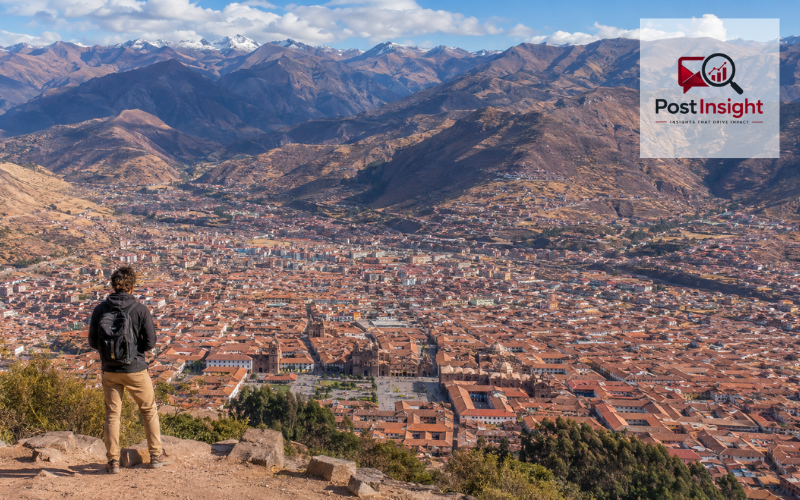
Cusco is one of the most fascinating cities in South America, but its location is also one of the first things travelers notice. The city sits high in the Andes Mountains of Peru, surrounded by steep hills, ancient stone streets, and mountain views that make the destination feel dramatic from the moment you arrive.
The official Cusco elevation is about 3,399 meters, or 11,152 feet, above sea level. That is much higher than many visitors expect, especially if they arrive by plane from Lima, a coastal city near sea level. Peru’s official tourism site notes that Cusco sits at over 3,399 meters, which is why elevation is an important part of planning a comfortable trip there.
This matters because the air at this height contains less available oxygen per breath than air at lower elevations. Many travelers feel fine, but others may notice headache, tiredness, shortness of breath, or light nausea during the first day. This is commonly called altitude sickness, or soroche in Peru.
Cusco is also often compared with Machu Picchu, and many people are surprised to learn that Machu Picchu is lower than Cusco. Understanding Cusco elevation, Machu Picchu elevation, and nearby Sacred Valley altitudes can help you plan your route more wisely and reduce the chance of feeling unwell.
| Place | Elevation | What It Means for Travelers |
| Lima | About 154 m / 505 ft | Near sea level, so flying to Cusco can feel like a big jump. |
| Machu Picchu | 2,430 m / 7,972 ft | Lower than Cusco, usually easier for altitude. |
| Sacred Valley | Around 2,800–3,000 m / 9,186–9,842 ft | Often easier for acclimatization before Cusco. |
| Cusco City | 3,399 m / 11,152 ft | High enough to cause altitude symptoms for some travelers. |
| Rainbow Mountain | Around 5,200 m / 17,060 ft | Very high; best after proper acclimatization. |
The elevation of Cusco, Peru is approximately 3,399 meters above sea level. In feet, this is about 11,152 feet. This makes Cusco a true high-altitude city and one of the highest major tourist destinations many travelers will visit in their lifetime.
Cusco is not just a place where you briefly pass through mountain scenery. The city itself is built at a height where your body may need time to adjust. Even walking through the historic center, climbing steps near San Blas, or carrying luggage from a hotel entrance to your room can feel more tiring than expected.
Travelers often feel the altitude shortly after arrival because many flights into Cusco come from lower places, especially Lima. When the body moves quickly from low elevation to high elevation, it does not always have enough time to adapt. That sudden change is the main reason Cusco elevation sickness is a common topic for visitors.
It is important to understand that feeling the altitude does not mean someone is weak or unhealthy. Altitude affects people differently. A young, active traveler can feel symptoms, while an older traveler may feel completely normal. Fitness helps with general stamina, but it does not fully prevent altitude sickness.
For travelers using the metric system, Cusco elevation is 3,399 meters. For travelers more familiar with feet, Cusco elevation in feet is 11,152 feet. Both numbers refer to the same height above sea level, but seeing both can make the altitude easier to understand.
This conversion is useful because visitors come to Cusco from many parts of the world. A traveler from Europe, Asia, or South America may think in meters, while a traveler from the United States may search for “cusco elevation in feet” to compare it with places they already know.
At more than 11,000 feet, Cusco is much higher than many famous mountain towns and cities. The height is not extreme compared with some trekking passes in the Andes, but it is high enough to affect sleep, breathing, digestion, and energy levels during the first day or two.
Because of this, visitors should not treat Cusco like a normal city break at sea level. The first day is best kept slow and simple. A relaxed walk, a light meal, and an early night are usually better choices than a packed schedule.
Cusco is located in southeastern Peru, deep in the Andes Mountains. This region is known for its high valleys, dramatic slopes, and long history as the heart of the Inca Empire. The city’s altitude is not an accidental detail; it is part of the landscape that shaped its culture, architecture, and travel experience.
The Andes are one of the longest mountain ranges in the world, and the Cusco region sits within a high mountain environment. Roads rise and fall sharply, neighborhoods sit at different levels, and nearby destinations can vary greatly in elevation within a short distance.
This is why Cusco feels very different from coastal destinations such as Lima. In Lima, the air feels thicker and easier to breathe because the city is close to the Pacific Ocean. In Cusco, the air is thinner, the sun can feel stronger during the day, and nights can be cool because of the altitude.
The city’s position in the Andes also explains why travelers often need to think beyond simple distances. A place may look close on a map, but altitude, winding roads, and steep streets can make the journey feel more demanding.
One of the most common travel surprises in Peru is the difference between Cusco elevation vs Machu Picchu elevation. Many people imagine Machu Picchu as the highest point of their trip because it appears to sit on a dramatic mountain ridge. In reality, Machu Picchu is lower than Cusco.
Cusco sits at about 3,399 meters / 11,152 feet, while Machu Picchu stands at about 2,430 meters / 7,972 feet above sea level. UNESCO also lists Machu Picchu at 2,430 meters above sea level.
This means the elevation of Cusco and Machu Picchu is quite different. Cusco is almost 1,000 meters higher than Machu Picchu, which is why some travelers feel stronger or more comfortable when they descend toward Machu Picchu after spending time in Cusco.
However, this does not mean Machu Picchu is completely free from altitude concerns. It is still high compared with sea level, and visitors often climb many stairs while exploring the site. The difference is that the risk of altitude sickness is usually lower at Machu Picchu than in Cusco.
Machu Picchu elevation is about 2,430 meters, or 7,972 feet, above sea level. This is high enough to feel different from sea level, but it is significantly lower than Cusco. For many visitors, this makes Machu Picchu feel easier on the body once they arrive.
The site itself includes terraces, stone paths, uneven steps, and viewing areas that require slow walking. Even if altitude sickness is less likely there, the physical effort can still be tiring. Travelers should take their time, drink water, and avoid rushing from one viewpoint to another.
Visitors who plan to hike Huayna Picchu, Machu Picchu Mountain, or longer trekking routes should be especially careful. These activities can feel much harder when the body is still adjusting to altitude. It is wise to spend at least some time acclimatizing before attempting strenuous hikes.
For most travelers, the best approach is to avoid seeing Machu Picchu as a race. The experience is more enjoyable when you move slowly, pause often, and give yourself enough time to appreciate the place without pushing your body too hard.
Lima elevation is very different from Cusco elevation. Lima is a coastal city near the Pacific Ocean, and many commonly used city-center figures place it around 154 meters / 505 feet above sea level, although the exact elevation can vary by district.
This huge difference explains why flying from Lima to Cusco can feel intense. In a short flight, travelers move from near sea level to over 11,000 feet. The body has very little time to adjust, so symptoms may appear within the first several hours after landing.
For first-time Peru visitors, this is one of the most important planning details. It is easy to feel excited after arriving in Cusco and want to start exploring immediately. But the smarter choice is often to treat arrival day as an adjustment day.
If your itinerary starts in Lima, consider using the lower elevation to rest after your international flight. Once you continue to Cusco, plan a gentle first day instead of booking a demanding walking tour, a long hike, or a late-night schedule.
For U.S. travelers, a helpful comparison is Cusco elevation vs Denver. Denver, Colorado is famously known as the “Mile High City” because its official elevation is one mile, or 5,280 feet / 1,609 meters, above sea level. Visit Denver also notes that the city center sits at 5,280 feet.
Cusco is more than twice as high as Denver. At about 11,152 feet, Cusco is not just a little higher; it is a major jump in elevation. This helps explain why someone who feels comfortable in Denver may still feel tired, lightheaded, or short of breath in Cusco.
This comparison is especially useful because many travelers think they understand altitude after visiting Colorado. While that experience may help a little, it does not guarantee that Cusco will feel easy. The body responds differently at different heights, and Cusco sits in a range where symptoms are more common.
The best mindset is to respect the altitude without fearing it. Cusco is manageable for most visitors, but it deserves a slower pace than a city at lower elevation.
A Cusco elevation map can be useful because the region includes several popular places at different heights. Looking at the map helps travelers understand why some routes feel easier and why certain towns are often recommended for acclimatization.
Cusco is around 3,399 meters / 11,152 feet, while the Sacred Valley is generally lower. Urubamba is commonly listed around 2,870 meters / 9,416 feet, Pisac around 2,980 meters / 9,776 feet, and Ollantaytambo around 2,850 meters / 9,350 feet. PeruRail gives these Sacred Valley town elevations and notes that the valley sits below Cusco.
This difference matters for practical travel planning. A night in Urubamba or Ollantaytambo may feel easier than a first night in Cusco for some travelers arriving from sea level. These towns are still high, but they are lower than Cusco and can offer a gentler start.
A map also shows why trips to places like Rainbow Mountain require more caution. Rainbow Mountain is far higher than Cusco and should not be treated as a first-day activity. Travelers usually enjoy it more after spending time acclimatizing.
Cusco elevation sickness happens because the body is adjusting to a lower-oxygen environment. At high altitude, each breath provides less available oxygen than it would at sea level. The body responds by breathing faster, increasing heart rate, and working harder to supply oxygen.
Common symptoms include headache, tiredness, nausea, dizziness, loss of appetite, shortness of breath, and difficulty sleeping. The NHS notes that altitude sickness symptoms often include headache, appetite loss, nausea, tiredness, dizziness, and sleep problems, and they commonly begin several hours after reaching high altitude.
For many visitors, symptoms are mild and improve with rest, fluids, and time. However, symptoms should still be taken seriously. If someone feels very unwell, has worsening symptoms, becomes confused, has severe breathlessness at rest, or cannot walk normally, they should seek medical help quickly.
It is also important not to keep climbing higher when symptoms are getting worse. Resting and allowing the body to adjust is better than forcing a busy itinerary.
Travelers arriving directly from sea level are among the most likely to feel Cusco’s altitude. This includes visitors flying from Lima, Miami, London, or other low-elevation cities. The faster the change in altitude, the harder it can be for the body to adapt.
People who rush into walking tours, hikes, or long sightseeing days may also feel worse. Cusco’s historic streets are beautiful, but many are uneven and steep. Even a simple walk can become tiring if you have just arrived.
Visitors carrying heavy bags uphill may notice symptoms more quickly. Many hotels and guesthouses in Cusco are located on sloped streets, and even a short climb can feel difficult at 11,000 feet. Using hotel help with luggage or choosing accommodation with easy access can make arrival more comfortable.
Alcohol, dehydration, and heavy meals can also make the first day harder. High altitude may affect digestion, and alcohol can make dehydration worse. That is why many travelers do better with water, light food, and rest when they first arrive.
The best way to adjust to Cusco elevation is to slow down during the first 24 to 48 hours. This does not mean you must stay in bed all day, but it does mean avoiding intense activity, heavy walking, and packed sightseeing plans.
Drink water regularly, eat lighter meals, and avoid alcohol at first. The CDC Yellow Book advises travelers at high altitude to avoid alcohol during the first 48 hours and take part in only mild exercise during the first 48 hours.
Walking slowly is also helpful. Cusco rewards a relaxed pace, and there is no need to hurry through its plazas, markets, and viewpoints. Take breaks, sit when needed, and let your body guide your schedule.
Some travelers try coca tea, known locally as mate de coca, as a traditional remedy for mild discomfort. Many hotels offer it, and it is part of the local travel experience. However, it should not be treated as a medical cure. If you have health concerns, take medication, are pregnant, or have heart or lung conditions, speak with a healthcare professional before traveling to high altitude.
Staying in the Sacred Valley before Cusco can be a smart choice for some travelers. Places such as Urubamba and Ollantaytambo are lower than Cusco, which may make the first night feel easier after arriving from Lima or another low-altitude city.
This plan works especially well for travelers whose main goal is Machu Picchu. Instead of sleeping in Cusco immediately, they can travel from the airport down toward the Sacred Valley, rest at a lower elevation, and continue toward Machu Picchu from there.
The Sacred Valley is still not sea level, so travelers should continue to move slowly and stay hydrated. But compared with Cusco, it can provide a gentler introduction to the Andes. This is why many Peru itineraries place the Sacred Valley before Cusco, especially for visitors concerned about altitude sickness.
After one or two nights in the valley, returning to Cusco may feel easier. The body has already begun adjusting, and the city’s elevation may feel less sudden.
Cusco elevation is one of the most important things to understand before visiting the city. At 3,399 meters / 11,152 feet, Cusco is high enough to affect many travelers, especially those arriving directly from sea level. But with a thoughtful plan, most visitors can enjoy the city comfortably.
The key is not to panic, but to prepare. Cusco is higher than Machu Picchu, much higher than Lima, and more than twice the elevation of Denver. These comparisons help explain why the city can feel more intense than expected.
Take your first day slowly, drink water, eat light meals, avoid alcohol at first, and give your body time to adjust. If you are worried about Cusco elevation sickness or have a medical condition, speak with a doctor before your trip.
Cusco is a remarkable city, and its altitude is part of what makes it so unique. When you respect the elevation and plan your itinerary carefully, you give yourself a much better chance of enjoying the history, scenery, and culture without unnecessary discomfort.
Cusco sits at about 3,399 meters or 11,152 feet above sea level. This high elevation is why many travelers feel tired or short of breath after arriving.
Yes, Cusco is much higher than Machu Picchu. Cusco is around 11,152 feet, while Machu Picchu is about 7,972 feet above sea level.
Yes, Cusco elevation can cause altitude sickness, especially for travelers arriving from sea level. Common symptoms include headache, tiredness, nausea, dizziness, and shortness of breath.
For some travelers, yes. The Sacred Valley is lower than Cusco, so spending a night in Urubamba or Ollantaytambo may help the body adjust more gently.
Many travelers feel better after 24 to 48 hours. Resting, drinking water, eating light meals, and avoiding alcohol can help your body adjust more comfortably.
Disclaimer: This article is for general travel information only and should not replace medical advice. If you have health concerns, are pregnant, or have heart or lung conditions, speak with a doctor before visiting high-altitude destinations like Cusco.


