
 11
11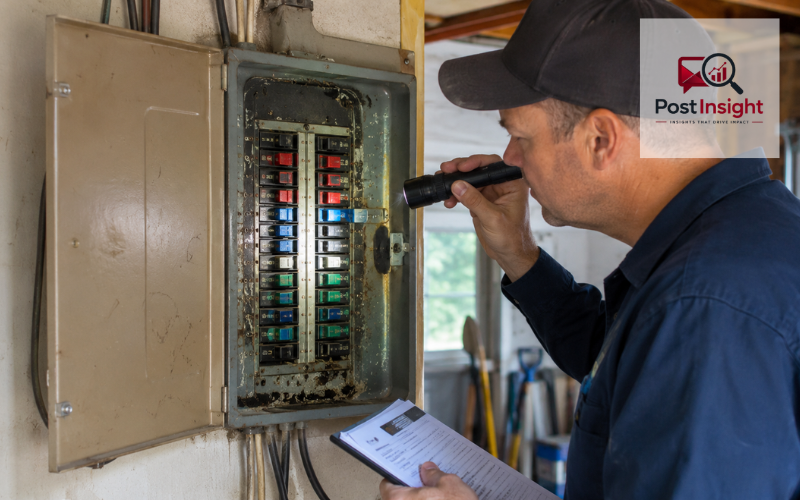
A Zinsco panel is an older type of electrical panel that was installed in many homes several decades ago. The electrical panel is the main box that sends power to different parts of a house, such as lights, outlets, appliances, and heating or cooling equipment. When everything works properly, the breakers inside the panel help protect the home by shutting off power when a circuit becomes overloaded or unsafe.
Zinsco panels were commonly installed from around the 1950s through the 1970s, though some related versions may be found in homes from nearby years as well. At the time, they were widely used and considered normal electrical equipment. Today, however, many electricians and home inspectors treat them as a serious safety concern because of how they can fail as they age.
The biggest concern with a Zinsco panel is that the breakers may not trip when they should. A breaker is supposed to shut off power during an overload or short circuit. If it does not work correctly, wires and parts inside the panel can overheat. In some cases, breakers and internal parts may melt, arc, or become damaged without clear warning from the outside.
This is why homeowners should not ignore a Zinsco panel. The panel may look clean and normal on the front, but the risk can be hidden inside. Fire risk, breaker failure, overheating, shock hazards, and insurance problems are the main issues homeowners need to understand. This guide explains what a Zinsco panel is, why it can be dangerous, how to identify one, and what steps to take if your home still has this type of panel.
| Topic | What Readers Should Know |
| What it is | An outdated electrical panel often found in older homes |
| Main risk | Breakers may fail to trip during overloads or short circuits |
| Common signs | Zinsco, Sylvania, GTE-Sylvania, Magnetrip labels, or colored breaker handles |
| Simple breaker replacement | Usually not enough if the bus bar or internal parts are damaged |
| Best action | Get the panel inspected by a licensed electrician |
| Long-term solution | Full Zinsco panel replacement is usually the safest option |
| Cost factor | Price depends on panel size, permits, labor, and service upgrade needs |
| Insurance issue | Some insurers may deny or question homes with Zinsco panels |
A Zinsco panel is a brand of electrical breaker panel that was used in older residential and some light commercial buildings. It works like other breaker panels by receiving electricity from the utility service and sending it through individual circuits in the home. Each circuit is controlled by a breaker, which should shut off power if the circuit becomes overloaded.
Many homeowners first hear the name “Zinsco” during a home inspection, insurance review, or electrical service call. Sometimes the panel may not clearly say Zinsco on the front. These panels can also appear under related names such as Sylvania, GTE-Sylvania, and Magnetrip. Because companies changed ownership and branding over time, the same general panel style may be found under more than one label.
Many older homes still have these panels simply because the electrical system has not been updated. A panel can stay in place for decades if the home has not had major remodeling, electrical upgrades, or insurance-required repairs. The problem is that modern homes often use much more electricity than homes did when these panels were first installed. Air conditioning, large appliances, computers, chargers, home offices, and electric vehicles can all increase electrical demand.
A Zinsco panel may still appear to be working, but “working” does not always mean “safe.” The concern is not only whether the lights turn on. The real concern is whether the panel can protect the home during a dangerous electrical event.
Zinsco panels are considered dangerous because some of their internal parts can fail in ways that stop the breakers from doing their main job. A breaker should trip when there is too much electrical current. This protects wires from overheating and helps reduce the chance of fire. If a breaker does not trip, the circuit may keep carrying power even when it is unsafe.
One common issue is poor contact between the breaker and the bus bar inside the panel. The bus bar is the metal part that distributes power to the breakers. Over time, heat, corrosion, loose connections, and wear can damage this contact point. When the connection becomes weak, it can create arcing. Arcing is like a small electrical spark or jump, and it can create intense heat.
That heat can damage the breaker, the bus bar, or both. In some cases, the breaker can melt or fuse to the bus bar. When this happens, the breaker may no longer be able to trip properly. Even worse, a breaker may look like it has been switched off while electricity is still flowing through the circuit.
This is why the danger may not be visible from the outside. A homeowner may look at the panel and see no smoke, no burn marks, and no obvious damage. But the hidden contact points inside may already be weakened. For this reason, Zinsco panels are often treated as a replacement issue rather than a simple repair issue.
Zinsco panel problems often involve hidden failure inside the panel. One of the most important problems is breaker failure. If a breaker fails to trip during an overload or short circuit, the circuit can continue to carry unsafe current. This can overheat wires and increase the chance of fire.
Another problem is that breakers can sometimes appear to be in the “off” position while still allowing power to pass through. This creates a serious shock risk because a person may believe a circuit is safe when it is still live. This is one reason homeowners should not open the panel, pull breakers, or try to test the panel themselves.
Overheating is also a common concern. Heat can damage plastic parts, metal connections, breaker clips, and wiring. Once overheating begins, the damage may get worse over time. A loose or corroded connection can create more heat, and that heat can cause even more damage.
The bus bars inside the panel may also become damaged. If the bus bar is worn, pitted, corroded, or burned, replacing one breaker will not solve the deeper problem. The new breaker may still connect to a damaged surface. This is one of the key reasons many electricians recommend full Zinsco panel replacement instead of small repairs.
A Zinsco panel can often be identified by checking the label on the panel door or the main sticker inside the panel. Homeowners may see names such as Zinsco, Sylvania, GTE-Sylvania, Magnetrip, or Challenger. However, because labels can fade, fall off, or be painted over, the name may not always be easy to find.
One of the most recognizable signs is the color-coded breaker handles. Many Zinsco panel breakers have slim handles in bright colors such as red, blue, green, and light gray. These colors often appear in a vertical row or a compact double-column layout. The breakers are usually thinner than many modern breakers, which can make the panel look tightly packed.
The panel may also have an older design style, especially if the home was built or remodeled many decades ago. Still, visual clues are not enough for a final decision. Some panels can look similar, and some related brands may be confusing for homeowners.
The safest step is to have a licensed electrician or qualified home inspector confirm the panel type. Do not remove the cover yourself to inspect the inside. The inside of an electrical panel can contain live parts even when breakers are switched off, and opening it without training can create a serious shock or arc-flash risk.
Many Zinsco-style panels are considered unsafe because of known design concerns and age-related failure risks. Homeowners often ask, “Which Zinsco panels are unsafe?” The safest answer is that any panel from the Zinsco family should be taken seriously until a qualified electrician inspects it.
The level of risk can depend on the panel’s age, model, condition, electrical load, and internal damage. A panel that has overheated in the past may be more dangerous than one with no visible damage. However, the problem is that some damage may not be visible without a professional inspection.
Panels sold under related brand names can also raise concerns. These may include Zinsco, Sylvania, GTE-Sylvania, Magnetrip, and some Challenger-labeled equipment. Since branding changed over time, homeowners should not assume a panel is safe only because the word “Zinsco” is not clearly printed on the door.
It is also important to understand that a panel can look normal and still have unsafe internal conditions. A clean cover, working lights, and breakers that move by hand do not prove that the panel will trip correctly during an electrical problem. That hidden risk is the main reason Zinsco panels are often flagged during inspections.
Zinsco panel breakers are the switches inside the panel that control individual circuits. Each breaker should protect a specific area or appliance by shutting off power when the circuit becomes overloaded. In a safe system, the breaker is one of the most important protective parts of the home’s electrical setup.
With a Zinsco panel, the breaker itself may be part of the problem, but it is not always the only problem. The connection point between the breaker and the bus bar can become damaged. If the bus bar is burned, corroded, or worn, installing another breaker may not create a safe connection.
This is why replacing one breaker is often not enough. A homeowner may think, “If the breaker is bad, I can just replace the breaker.” But if the breaker has already overheated or fused to the bus bar, the panel structure may be damaged too. A new breaker connected to a damaged bus bar can still be unsafe.
Loose contact, overheating, fused breaker clips, and hidden arcing can affect the whole panel. In many cases, the safer and more practical solution is a full panel replacement. A licensed electrician can inspect the condition of the panel and explain whether replacement is needed.
Many homeowners search for a Zinsco panel recall because they hear that these panels are unsafe and assume there must have been an official recall. The topic can be confusing because safety concerns are widely discussed, but homeowners may not find a simple recall notice that covers every Zinsco panel in every home.
It is helpful to understand the difference between a formal recall and documented safety concerns. A recall is an official action involving a product, manufacturer, agency, or legal process. Safety concerns can exist even when a homeowner cannot find recall paperwork for their exact panel.
For Zinsco panels, the practical issue is not only whether a recall exists. The more important question is whether the panel in your home is safe today. If the panel is old, damaged, overheating, or known to have unreliable breakers, it should be inspected by a licensed electrician.
Many electricians recommend replacement even when the homeowner cannot point to a formal recall document. That recommendation is based on the known failure patterns, the age of the equipment, and the serious results that can happen if a breaker does not trip during a dangerous event.
Zinsco panel replacement is usually considered the safest long-term solution. A full replacement removes the old panel, old breakers, and damaged internal parts. It also gives the electrician a chance to bring the electrical system closer to current safety expectations.
A proper replacement should be done by a licensed electrician. This is not a safe DIY project. Electrical panels can contain live power, and mistakes can cause shock, fire, equipment damage, or failed inspections. In many areas, panel replacement also requires permits and inspection by the local authority.
The replacement may include a new electrical panel, new breakers, updated grounding or bonding, labeling, permit work, and code-related corrections. If the home has older 100-amp service and needs more power, the project may also include upgrading to 200-amp service. That can involve utility coordination, meter work, service wires, and other changes.
A homeowner should ask the electrician what is included in the estimate. A low price may not include permits, utility work, grounding updates, or repairs required by local code. A clear written estimate helps avoid surprises.
Zinsco panel replacement cost can vary widely because every home is different. The final price depends on the panel size, home age, local labor rates, permit fees, utility requirements, the condition of existing wiring, and whether the project is a simple swap or a full service upgrade.
A basic panel replacement that keeps the same service size usually costs less than a full upgrade. In many areas, a straightforward panel swap may fall somewhere in the low-to-mid thousands. A larger service upgrade, such as moving from 100 amps to 200 amps, usually costs more because it may require more materials, more labor, and more coordination with the utility company.
Homeowners should also remember that Zinsco replacement may involve more than just buying a new panel. The electrician may need to correct grounding issues, replace outdated breakers, improve labeling, add required safety devices, or meet local code requirements. These items can raise the cost, but they also help make the system safer.
The best way to understand your real cost is to get a written estimate from a licensed electrician. If possible, compare more than one quote. Make sure each quote explains whether permits, inspection, service upgrades, and cleanup are included.
Some homeowners search for a Zinsco panel retrofit kit because they hope there is a cheaper way to make the existing panel safe. In simple terms, a retrofit means changing or updating part of the existing equipment instead of replacing everything. This may sound attractive, especially if the full replacement cost feels high.
However, a retrofit kit may not solve the deeper safety problem. If the bus bar is damaged, corroded, burned, or weakened, changing only some parts may leave the same hidden risk in place. The issue is not always limited to one breaker or one visible component. The internal connection system may already be unreliable.
That does not mean every situation is identical. A licensed electrician can inspect the panel and explain the available options. But in many cases, replacement is safer than trying to extend the life of old equipment. A temporary fix may cost less now but can leave the homeowner with ongoing safety, insurance, and resale concerns.
For a Zinsco panel, the goal should not be to keep the old panel alive as cheaply as possible. The goal should be to make the home safer and more reliable for the long term.
A Zinsco panel can also create insurance and home sale problems. Many insurance companies are cautious about older electrical panels that are known for safety concerns. In some cases, an insurer may request an electrical inspection, require replacement, deny coverage, or refuse to renew a policy until the issue is corrected.
This can surprise homeowners who have lived with the same panel for years without an obvious problem. From an insurance point of view, the concern is future risk. If a panel has a known history of breaker failure or overheating, the company may see it as a fire risk.
Zinsco panels can also affect real estate transactions. A home inspector may flag the panel in the inspection report. A buyer may ask for replacement before closing, request a price reduction, or walk away if the issue seems too costly. Mortgage or insurance requirements can also delay the sale.
After replacement, homeowners should keep all records. This includes invoices, permit documents, inspection approvals, photos, and the electrician’s details. These records can help with insurance, resale, and future maintenance.
If your home has a Zinsco panel, do not panic, but do take it seriously. The first step is to avoid touching or testing the panel yourself. Do not remove breakers, open the cover, or try to check whether a breaker is fused to the bus bar. This type of inspection should be handled by a trained professional.
Until the panel is inspected, avoid adding major electrical loads. This includes large new appliances, high-power tools, electric vehicle chargers, hot tubs, or major remodeling circuits. Adding more demand to an already questionable panel can increase risk.
Schedule an inspection with a licensed electrician who has experience with older panels. Ask whether the panel should be replaced, whether the service size is enough for your home, and whether any code updates are needed. Request a written estimate that clearly explains the work.
It is also wise to contact your insurance company if you are unsure whether the panel affects your policy. Some homeowners only discover the issue during renewal or when buying a new policy. Handling the problem early can prevent last-minute stress.
Finally, keep all documents after the work is done. Good records can show future buyers, inspectors, or insurance companies that the unsafe panel was replaced properly.
A Zinsco panel is more than just an old electrical panel. It is a known safety concern because the breakers and internal connections may fail in dangerous ways. The most serious risks include breaker failure, overheating, arcing, hidden internal damage, shock hazards, and possible fire.
The difficult part is that a Zinsco panel may look normal from the outside. The lights may work, the breakers may move, and the panel cover may show no obvious damage. But the real risk can be hidden inside, especially around the breaker connections and bus bars.
Replacing one breaker may not solve the problem if the panel itself is damaged. For many homeowners, full Zinsco panel replacement is the safest and most reliable solution. It can also help with insurance, home resale, and long-term peace of mind.
If you think your home has a Zinsco panel, the safest next step is to call a licensed electrician for a professional inspection. Do not open or test the panel yourself. A qualified electrician can confirm the panel type, explain the risks, provide a written estimate, and help you decide whether full replacement is needed for long-term safety.
A Zinsco panel is an older electrical breaker panel installed in many homes decades ago. It is now considered risky because its breakers may fail during electrical overloads.
Zinsco panels can be dangerous because breakers may not trip properly. This can allow overheating, melting, arcing, or fire risks to continue without clear warning.
Check the panel label for Zinsco, Sylvania, GTE-Sylvania, or Magnetrip. Colored breaker handles and slim breaker rows are also common signs, but an electrician should confirm it.
Many homeowners search for a Zinsco panel recall, but the bigger issue is safety. Even without recall paperwork, electricians often recommend inspection and replacement.
Zinsco panel replacement cost depends on labor, permits, panel size, home wiring, and whether a service upgrade is needed. A licensed electrician can provide the most accurate estimate.
Disclaimer: This article is for general informational purposes only and should not be used as a substitute for professional electrical advice. Do not inspect, open, repair, or replace a Zinsco panel yourself. Always contact a licensed electrician for proper inspection, safety guidance, and replacement work.