
 11
11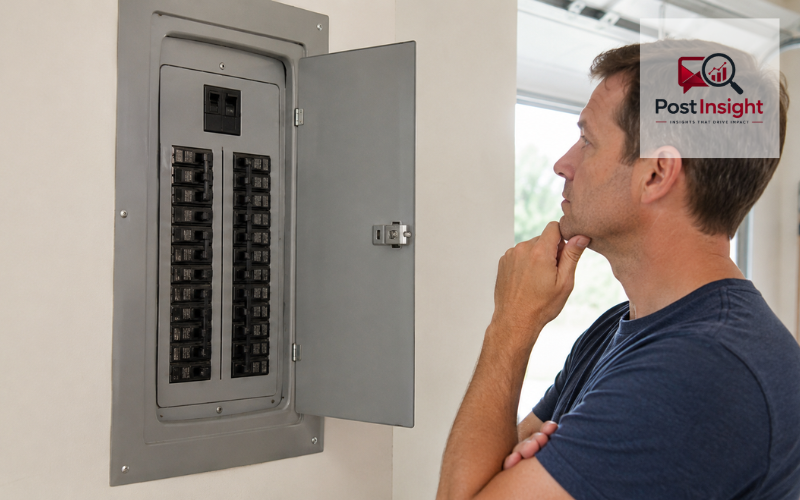
A breaker box is one of the most important parts of your home’s electrical system, but many homeowners do not think about it until something stops working. When the lights go out in one room, an appliance suddenly shuts off, or a switch in the panel flips, the breaker box is usually the first place to check. In simple words, it is the control center that helps send electricity safely to different areas of your home.
A breaker box is also commonly called an electrical panel, breaker box panel, service panel, or circuit breaker panel. These names are often used in the same way, although “electrical service panel” is the more official term. No matter what name you use, the job is the same: it receives power from the main electrical supply and divides it into smaller circuits that run your lights, outlets, appliances, heating, cooling, and other electrical needs.
This matters because electricity must be controlled carefully. If too much power flows through one circuit, the breaker can trip and shut that circuit off. This helps reduce the risk of overheating, damaged wiring, electrical shock, or fire. In this article, you will learn what a breaker box is, how it works, what is inside it, what breaker box switches mean, when a panel needs attention, and when it is time to call a licensed electrician.
| Breaker Box Term | What It Means | What Homeowners Should Know |
| Breaker Box | Main panel that controls home electricity | It distributes power and protects circuits |
| Main Breaker | Large switch for the whole home | Turns off power to the entire house |
| Breaker Box Switches | Individual switches inside the panel | Each switch controls a specific circuit |
| Single Breaker | Standard breaker for lights and outlets | Common for regular 120V home circuits |
| Double-Pole Breaker | Larger breaker for high-power appliances | Used for dryers, ovens, water heaters, and AC units |
| AFCI Breaker | Detects dangerous electrical sparks | Helps reduce electrical fire risks |
| GFCI Breaker | Detects ground faults | Helps protect against shocks near water |
| Outdoor Breaker Box | Weather-rated panel installed outside | Must stay sealed, accessible, and protected |
| Breaker Box Price | Cost of repair or replacement | Depends on panel size, breakers, labor, and permits |
A breaker box is a metal panel that holds circuit breakers. These breakers act like safety switches for different electrical circuits in your home. Each circuit usually powers a specific area or item, such as bedroom outlets, kitchen lights, a laundry room, an air conditioner, or a water heater.
The breaker box connects your home to the main electrical supply coming from the utility company. From there, it sends electricity through separate wires to different parts of the house. Instead of letting one large flow of electricity move through the whole home at once, the breaker box divides it into smaller, safer paths.
This is why the breaker box is often called the control center of home electricity. It allows power to be managed, separated, and shut off when needed. If there is a problem on one circuit, the breaker can stop power to that area without necessarily turning off electricity to the entire house. That small action can prevent a much larger problem.
Power usually enters the home through a service line and reaches the breaker box first. Inside the panel, the electricity is directed to different breakers. Each breaker is connected to a circuit that carries power to certain rooms, outlets, lights, or appliances.
When everything is working normally, electricity flows through the breaker and continues to the circuit. You can turn a breaker switch on or off manually, but most of the time, it works automatically in the background. If a circuit tries to pull more electricity than it can safely handle, the breaker trips. This means the switch moves to a middle or off position and cuts power to that circuit.
This can happen because too many devices are being used at once, an appliance has a fault, wiring is damaged, or there is a short circuit. A short circuit happens when electricity takes an unsafe path, often because wires touch in a way they should not. When the breaker trips, it is not just an inconvenience. It is a warning that the circuit needs attention before power is restored.
A breaker box may look simple from the outside, but several key parts are working inside it. The main breaker is usually the largest switch in the panel. It controls power to the entire home. If this breaker is turned off, electricity to the whole house is usually shut down.
The individual breaker switches are smaller switches that control separate circuits. These are the switches homeowners usually look at when a room loses power. Each one should be labeled clearly so you know which room, outlet, or appliance it controls.
Inside the breaker box, there are also bus bars. These are metal parts that help carry electricity from the main supply to the breakers. There are neutral and ground bars as well, which help complete the electrical system and provide safer paths for current. These parts are not something homeowners should touch. Even when a breaker is off, parts of the panel may still be dangerous.
The panel cover protects the breaker box inside from accidental contact. The labels on the cover or next to the breakers are also important. A well-labeled panel saves time during an outage and helps electricians work more safely.
Breaker box switches usually have three possible positions: ON, OFF, and tripped. When a switch is fully in the ON position, that circuit should have power. When it is fully OFF, power to that circuit has been shut off manually.
A tripped breaker can be a little confusing because it may not look fully off. In many panels, the switch rests between ON and OFF when it trips. Sometimes it may look slightly loose or out of line compared to the other breaker box switches. To reset it, many breakers must first be pushed fully to the OFF position and then back to ON.
However, a breaker should not be reset again and again without finding the reason it tripped. If it trips once because too many devices were plugged in, reducing the load may solve the issue. But if the same breaker keeps tripping, there may be a deeper electrical problem. Repeated tripping can point to an overloaded circuit, faulty appliance, damaged wiring, or a breaker that needs replacement.
Not every breaker in a breaker box panel does the same job. A standard single-pole breaker is one of the most common types. It usually controls a 120-volt circuit, which is commonly used for regular outlets, lights, and small household needs. When someone refers to a single breaker box circuit, they often mean one breaker controlling one normal home circuit.
A double-pole breaker is larger and connects to two power points in the panel. It is usually used for 240-volt appliances, such as electric dryers, ovens, central air units, and water heaters. These appliances need more power than standard outlets, so they require a different type of breaker.
AFCI breakers are designed to help protect against dangerous arcing. Arcing can happen when electricity jumps or sparks because of damaged wires, loose connections, or other issues. Since arcing can create heat and increase fire risk, AFCI protection is important in many living areas.
GFCI breakers are designed to help protect people from electric shock. They are especially important where electricity and moisture may be close together, such as bathrooms, kitchens, laundry areas, garages, basements, and outdoor spaces. A GFCI breaker can shut power off very quickly if it senses an unsafe electrical path.
A breaker box diagram is a simple guide that shows which breaker controls which part of the home. In many houses, this diagram is written on a label inside the panel door. It may list areas such as “kitchen outlets,” “bedroom lights,” “dryer,” “bathroom,” or “garage.”
The exact layout can vary from one home to another. In many panels, breakers are arranged in two vertical rows. The main breaker may be at the top, bottom, or sometimes in a separate outdoor service disconnect, depending on the home’s setup. Large appliances often have double-pole breakers that take up more space than standard breakers.
A clear breaker box diagram makes the panel easier and safer to use. If a breaker trips, you can quickly find the affected circuit. If you need to turn off power before replacing a light fixture or checking an outlet, a good diagram helps you avoid guessing. Poor labels can waste time and create confusion, especially during an emergency.
Many homes have an indoor breaker box installed in a basement, garage, utility room, hallway, or storage area. Indoor panels are usually protected from rain, direct sunlight, and harsh weather. They should still be kept dry, clean, and easy to access.
A breaker box outdoor setup is also common in some homes, especially where the main service equipment is mounted outside. Outdoor panels are built with weather-rated covers and enclosures. These are designed to protect the electrical parts from rain, dust, and outdoor conditions.
Even with an outdoor panel, access matters. The area in front of the panel should not be blocked by furniture, plants, boxes, tools, or stored items. If there is an emergency, you or an electrician should be able to reach the breaker box quickly. Outdoor panels should also be checked visually for rust, damaged covers, missing screws, moisture, or signs of pests.
A breaker box small in size may be enough for a small home, apartment, garage, workshop, or added space. Some small panels are actually subpanels. A subpanel gets power from the main panel and then serves a specific area, such as a detached garage, basement, home office, or addition.
A small breaker box can be useful when only a limited number of circuits are needed. For example, a workshop may need a few outlets, lights, and one larger circuit for equipment. Instead of running every circuit all the way back to the main panel, a subpanel can make the setup cleaner and more practical.
A larger electrical panel may be needed when a home has more circuits, modern appliances, electric heating, central air, an EV charger, or a major renovation. Older homes often have panels that were installed before today’s electrical demands became common. If the panel is full, outdated, or not powerful enough for the home’s needs, an electrician may recommend an upgrade.
Breaker box price can vary widely because every home is different. A simple breaker replacement may cost much less than a full panel upgrade. The total price depends on the panel size, amperage, number of breakers, condition of the existing wiring, local permit requirements, and labor rates in your area.
Panel size is one of the biggest factors. A larger panel with more capacity usually costs more than a smaller one. The type of breakers also matters. Standard breakers are usually less expensive than AFCI, GFCI, or combination breakers. If many special breakers are required, the cost can increase.
Indoor and outdoor installations may also have different costs. A breaker box outdoor installation may require weather-rated equipment and careful placement. If the existing panel is damaged, outdated, unsafe, or difficult to access, labor may take longer.
Permits and local code requirements can also affect the final cost. Electrical panel work is not just a cosmetic upgrade. It affects home safety, insurance, inspections, and future electrical use. For this reason, breaker box replacement should be handled by a licensed electrician who understands local rules.
A breaker box often gives warning signs before a serious problem happens. One of the most common signs is frequent breaker tripping. If the same breaker trips again and again, it should not be ignored. It may mean the circuit is overloaded, a device is faulty, or the wiring needs inspection.
A burning smell near the panel is another serious warning sign. Buzzing, crackling, or sizzling sounds should also be treated carefully. A breaker box should not make loud or unusual noises. If the panel cover feels warm, that can also be a sign of trouble.
Rust, moisture, scorch marks, melted areas, or visible damage around the panel are all reasons to call a professional. Water and electricity are a dangerous combination. Even small signs of moisture inside or around a panel should be taken seriously.
Older homes may still have fuse boxes or outdated panels. While age alone does not always mean danger, older systems may not meet modern electrical needs. If you are adding large appliances, remodeling, or noticing repeated electrical problems, the breaker box should be inspected.
Homeowners can take simple steps to keep a breaker box safer without opening the panel or touching internal parts. First, keep the area around the panel clear. There should be enough open space for safe access. Do not stack boxes, furniture, tools, cleaning supplies, or decorations in front of it.
Label every circuit clearly. If the panel labels are missing or confusing, take time to identify each breaker carefully. You can turn circuits off one at a time and note which lights or outlets lose power, but this should be done safely and with another person helping if possible.
Avoid overloading circuits. Plugging too many high-power devices into one outlet or power strip can cause breakers to trip. Space heaters, microwaves, hair dryers, toasters, and other high-demand devices should be used carefully.
Know where the main breaker is located. In an emergency, being able to shut off power quickly can matter. At the same time, do not remove the breaker box cover yourself. The inside of the panel can be dangerous, even if you think the power is off.
A licensed electrician should be called for breaker box repairs, panel upgrades, added circuits, damaged breakers, and repeated electrical issues. Homeowners can safely check whether a breaker has tripped, but internal electrical work is different. It requires training, tools, and knowledge of local code.
Call an electrician if breakers trip often, lights flicker regularly, outlets feel warm, the panel smells burnt, or you hear buzzing from the box. You should also call a professional if you need to install a new appliance that requires a dedicated circuit.
Panel upgrades are another job for a professional. If your breaker box panel is old, too small, damaged, or full, an electrician can check whether your home needs more capacity. They can also help decide whether a small breaker box, subpanel, or full service upgrade is the right solution.
Replacing damaged breakers may sound simple, but it is not a safe DIY job for most homeowners. Breakers must match the panel type and electrical requirements. The wrong breaker can create safety problems instead of solving them.
A breaker box is more than a metal panel full of switches. It is the main control point that helps move electricity safely through your home. It divides power into circuits, protects wiring from overloads, and gives you a way to shut off power when needed.
Understanding the basics can help you respond calmly when a breaker trips or when part of your home loses power. Knowing what breaker box switches mean, keeping a clear breaker box diagram, and paying attention to warning signs can make your home safer and easier to manage.
The most important rule is to respect electricity. Homeowners can keep the panel area clear, label circuits, and check for obvious signs of trouble, but internal repairs should be left to a licensed electrician. With proper care, clear labeling, and professional help when needed, your breaker box can continue to protect your home and support your daily electrical needs safely.
A breaker box controls and distributes electricity throughout your home. It sends power to different circuits and shuts off electricity when a circuit overloads or has a possible safety issue.
A breaker may keep tripping because the circuit is overloaded, an appliance is faulty, wiring is damaged, or the breaker itself has a problem. Repeated tripping should be checked by an electrician.
You can open the outer door to check breaker switches, but you should not remove the panel cover. The inside of a breaker box can be dangerous and should be handled by a professional.
Breaker box replacement cost depends on panel size, amperage, breaker type, labor, permits, and local code requirements. A licensed electrician can inspect your setup and give an accurate estimate.
Yes, an outdoor breaker box can be safe if it is weather-rated, properly installed, sealed, and easy to access. It should be inspected if you notice rust, moisture, or damage.
Disclaimer: This article is for general educational purposes only and should not be taken as professional electrical advice. Breaker box repairs, panel upgrades, wiring work, and internal inspections should always be handled by a licensed electrician.


