
 11
11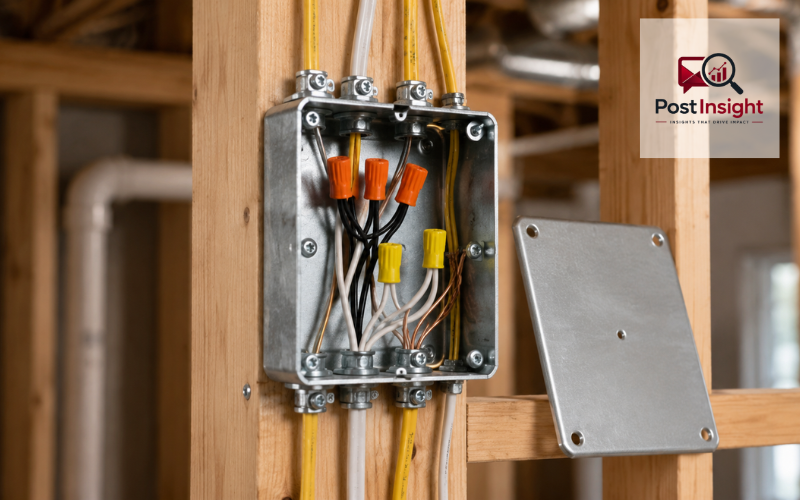
An electrical junction box is a protective box that keeps electrical wire connections safely enclosed. In simple words, it is the place where two or more wires meet, connect, and stay protected. Without a proper box, those wire connections could be exposed to dust, moisture, movement, or accidental contact, which can create serious safety problems.
Homeowners often see an electrical junction box in walls, ceilings, attics, basements, garages, crawl spaces, and outdoor areas. Some boxes are used behind light fixtures, some are connected to outlets or switches, and others are placed where several wires come together. Even if the box looks simple from the outside, it plays an important role in keeping a home’s electrical system safe and organized.
A good electrical junction box protects wire connections, keeps wiring neat, and makes future repairs easier. It also helps reduce the risk of short circuits, sparks, overheating, and loose wires. However, not every box is the same. The right choice depends on where the box is installed, how many wires are inside it, whether it needs a cover, and whether it will be used indoors or outdoors.
Choosing the right type, size, cover, and installation method is important. A box that is too small, uncovered, poorly secured, or hidden behind a wall can become a safety issue. That is why understanding the basics of electrical junction boxes can help homeowners make better decisions and know when it is time to call a licensed electrician.
| Topic | Quick Explanation |
| Main Purpose | Protects wire connections and keeps them safely enclosed. |
| Common Types | Plastic, metal, weatherproof, ceiling, old work, and new work boxes. |
| Best Indoor Use | Walls, ceilings, attics, basements, outlets, switches, and light fixtures. |
| Best Outdoor Use | Exterior lights, security cameras, outdoor outlets, and damp locations. |
| Cover Needed? | Yes, every junction box should have a proper cover plate. |
| Safety Tip | Always turn off power before inspecting or working near wiring. |
| When to Call a Pro | If wiring is old, damaged, crowded, hidden, or confusing. |
An electrical junction box is an approved enclosure used to hold electrical wire connections. These connections are often called splices. A splice is where wires are joined together so electricity can continue from one cable to another. The junction box keeps these connections inside a safe, protected space instead of leaving them exposed.
The main purpose of an electrical junction box is not to power a device directly, but to protect and manage the wiring connection. For example, if one cable enters from the breaker panel and then separates into two or three directions, a junction box may be used to safely connect those wires. This keeps the wiring organized and easier to inspect later.
An electrical junction box is different from a regular outlet or switch box. A switch box holds a light switch. An outlet box holds a receptacle where you plug in appliances or chargers. A junction box may not have a switch or outlet at all. It may only have wire connections inside with a cover plate over it. In some cases, the same style of electrical box can be used for different purposes, but its use depends on the wiring layout and the devices being installed.
The box also prevents accidental damage. Wires that are left loose or exposed can be pulled, pinched, touched, or damaged by dust and moisture. A properly installed electrical junction box keeps those connections contained and helps protect the home from electrical hazards.
Electrical junction boxes are important because wire connections are one of the places where electrical problems can start. If a connection becomes loose, it may create heat. If a wire is damaged or touches another wire incorrectly, it may cause a short circuit. If sparks occur, the box helps contain the problem instead of allowing it to spread into nearby wood, insulation, or wall material.
A junction box also protects wires from outside contact. In a home, wiring can be exposed to dust, vibration, insects, moisture, and physical impact. In areas such as attics or basements, boxes may be near stored items, framing, pipes, or insulation. The box creates a barrier between the wire connections and everything around them.
Another safety reason is code compliance. Electrical codes generally require wire splices to be placed inside an approved enclosure and kept accessible. This is because electricians, inspectors, or future homeowners may need to find and check those connections later. If a junction box is buried behind drywall, under flooring, or above a sealed ceiling, the wiring inside cannot be inspected or repaired easily.
An uncovered electrical junction box should never be ignored. A missing cover may expose wire connectors, allow dust to enter, or increase the risk of accidental contact. A hidden junction box can be even more dangerous because no one knows where the connection is located. If there is a problem later, it may be difficult to find the source without opening walls or ceilings.
There are several electrical junction box types, and each one is designed for a different use. The most common choices are plastic, metal, weatherproof, ceiling fixture, old work, and new work boxes. Picking the right type depends on the cable, location, and purpose of the installation.
Plastic electrical junction boxes are common in many homes. They are lightweight, easy to install, and do not rust. Plastic boxes are often used with non-metallic cable in indoor residential wiring. Since plastic does not conduct electricity, it does not need to be grounded like a metal box. However, it still must be installed correctly and used only where it is suitable.
Metal electrical junction boxes are stronger and more durable. They are often used with metal conduit or metal-clad cable. A metal box can handle more physical abuse than a plastic box, which makes it useful in garages, workshops, unfinished basements, and commercial settings. Because metal conducts electricity, it must be properly grounded for safety.
Weatherproof outdoor junction boxes are made for exterior locations. They are designed to resist moisture, rain, dust, and temperature changes. These boxes usually use sealed covers, gaskets, and proper fittings to keep water out. They are common for outdoor lights, security cameras, exterior outlets, and landscape wiring connections.
Ceiling fixture and lighting junction boxes are used where lights, smoke detectors, or similar devices are mounted. Some ceiling boxes are rated to support light fixtures, while ceiling fan boxes must be specifically rated for the weight and movement of a fan. Using the wrong box for a heavy fixture or fan can be unsafe.
Old work and new work boxes refer to how the box is installed. A new work box is installed when walls are open, usually during construction or remodeling. It is attached directly to studs or framing. An old work box is used when the wall is already finished. It clamps to the drywall or wall surface without needing direct access to the stud.
Electrical junction box sizes and shapes matter because the box must have enough room for the wires and connectors inside. A box that is too small can become crowded, making it harder to create safe connections. Crowded wires may also be bent too sharply or pressed tightly against the cover.
Round and octagon boxes are often used for ceiling lights, wall lights, and smoke detectors. These shapes work well when a fixture needs to attach to the box. A round box may be used for lightweight fixtures, while deeper octagon boxes provide more space for wiring.
Square boxes are commonly used when several wires come together. A 4-inch square box is a common choice because it gives more room for multiple cables and wire connectors. Larger square boxes may be used where more circuits or larger conductors are present. These boxes often use flat covers or raised covers depending on the installation.
Rectangular boxes are usually seen with outlets and switches. A single-gang box holds one switch or outlet, while a double-gang box holds two devices side by side. Although these are often device boxes, they can also act as junction points when wiring is arranged properly.
Box depth is also important. A deeper box provides more room for wires, connectors, and devices. This is especially helpful when larger devices are installed or when multiple cables enter the same box. Box fill capacity is the rule that determines how many wires and devices can safely fit inside. If there are too many wires in a small box, the box should be replaced with a larger one or extended with an approved extension.
An electrical junction box with cover is much safer than an open box. The cover protects the wires and connectors inside while keeping the box accessible for future inspection. Every junction box should have a proper cover that matches the box type and location.
Indoor covers are usually simple flat plates made from metal or plastic. They are used on boxes inside walls, ceilings, attics, basements, and other dry areas. The cover keeps dust out and prevents accidental contact with wiring. It also gives the box a clean, finished appearance.
Weatherproof covers are different. They are made for outdoor or damp locations and often include gaskets or seals. These covers are designed to keep rain, moisture, and debris from entering the box. Outdoor boxes should not use standard indoor covers because indoor covers do not provide the same protection.
A cover also shows where the junction box is located. This is important because electrical connections should remain accessible. If someone needs to repair, upgrade, or inspect wiring later, the cover plate helps them find the box quickly. An open junction box should be repaired as soon as possible, especially if wires or wire connectors are visible.
Electrical junction box wiring is about safely joining wires inside an approved box. The box gives those connections a protected space and helps keep the wiring organized. Inside the box, wires may be connected using approved wire connectors, terminal connectors, or other rated connection methods.
A basic junction box may contain hot wires, neutral wires, and grounding wires. These wires must be connected correctly for the circuit to work safely. Grounding is especially important because it helps provide a safer path for electricity if a fault occurs. Metal boxes also need proper grounding because the box itself can conduct electricity.
Cable clamps or connectors are often used where cables enter the box. These help hold the cable in place so the wire connections inside are not pulled or stressed. Without proper support, movement can loosen connections over time.
Wires should not be overcrowded inside a junction box. Too many wires in a small space can make the box difficult to close and may put pressure on the connections. A neat wiring layout makes future inspection easier and reduces the chance of mistakes.
Before anyone inspects or works near electrical wiring, the power should be turned off at the breaker. It is also wise to test the wires with a proper tester before touching anything. If there is any doubt, a licensed electrician should handle the work.
An electrical junction box with terminals uses terminal blocks or terminal connectors to join wires in a more organized way. Instead of several wire connectors grouped together, terminals provide fixed connection points where wires can be attached.
Terminal-style boxes are often useful when wiring needs to be neat, labeled, or easier to maintain. They may be found in lighting systems, control circuits, equipment wiring, or certain low-voltage applications. Some terminal boxes are also used where wires may need to be disconnected or changed later.
The main benefit is organization. Terminals can make it easier to see which wire connects where. This can be helpful in systems with several connections inside one box. However, the terminals must be rated for the wire size, voltage, and circuit use. A terminal that is too small or not properly rated can overheat or fail.
For home wiring, terminal-style junction boxes are less common than standard wire connectors, but they can still be used in certain approved situations. The important point is that every part of the connection must match the electrical load and installation requirements.
An electrical junction box in wall spaces is very common. It may be used behind an outlet, behind a switch, or behind a blank cover plate where wires are spliced. In finished rooms, these boxes are usually visible only by the device or cover attached to them.
The key rule is accessibility. A wall junction box should not be hidden behind drywall, paneling, cabinets, or permanent surfaces. If wire connections are inside the wall, there should be a cover plate or device that allows the box to be reached later. This makes inspection and repair possible without damaging the structure.
There is a difference between an accessible wall box and a hidden box. An accessible box has a visible cover, switch, outlet, or fixture attached. A hidden box is sealed inside the wall and cannot be reached without cutting. Hidden boxes are unsafe because loose connections, overheating, or wiring damage may go unnoticed.
Cover plates are not just for appearance. They protect the box and make its location clear. If a blank cover plate is on a wall, it may be covering an electrical junction box. It should not be removed permanently or covered with wallpaper, drywall, tile, or built-in furniture.
An electrical junction box extension is used when the existing box needs more depth or needs to be brought forward to match the finished surface. It is sometimes called a box extender or extension ring. This small part helps keep wiring safely enclosed when the wall surface changes.
For example, if tile, paneling, thick drywall, or another surface is added over an existing wall, the original box may sit too far back. A box extension brings the front edge of the box closer to the new surface. This helps prevent wires from being exposed in the gap between the box and the wall finish.
Box extensions may also be used when more space is needed inside the box. If new devices or extra wiring make the box crowded, an extension can add room. However, it must be the correct type and size for the existing box.
Extensions are important because electrical connections should remain fully enclosed. Gaps around a recessed box can leave combustible wall materials too close to wiring. A properly installed extension helps create a safer and cleaner installation.
Electrical junction box replacement may be needed when a box is damaged, outdated, loose, or too small. A cracked plastic box, rusted metal box, missing cover, broken mounting tab, or overcrowded wiring are all signs that the box should be inspected.
Sometimes replacement is simple, such as replacing a broken cover or installing a properly sized blank plate. In other cases, replacing the entire box may require disconnecting wires, removing the old box, securing a new one, and reconnecting everything correctly. This kind of work should be handled carefully because wiring mistakes can create safety hazards.
A loose box is another common issue. If an outlet, switch, or cover moves when touched, the box behind it may not be secured well. Movement can stress the wires and connections over time. Rust is also a concern, especially in damp areas, garages, basements, and outdoor locations. A rusted box may weaken and may not protect the wiring properly.
Replacing a damaged electrical junction box improves long-term safety. It also makes the wiring easier to inspect and maintain. If the box contains many wires, old wiring, aluminum wiring, signs of heat, or unknown connections, it is best to call a licensed electrician.
Indoor and outdoor electrical junction boxes are not the same. An indoor box is made for dry, protected areas. It may work well inside walls, ceilings, attics, or finished rooms, but it is not designed to handle direct rain, snow, outdoor moisture, or harsh sunlight.
Outdoor junction boxes are built to handle weather. They are usually stronger, sealed, and rated for damp or wet locations. They may have gaskets, threaded openings, weatherproof covers, and fittings that help keep water out. This is important because water inside an electrical box can cause corrosion, short circuits, or dangerous shock risks.
Outdoor boxes are commonly used for exterior lights, porch outlets, security cameras, landscape lighting, pool-area equipment, and garage exterior wiring. These boxes must be matched with proper outdoor covers and fittings. A weatherproof box with the wrong cover or open hole may still allow water inside.
Temperature changes can also affect outdoor electrical equipment. Heat, cold, sunlight, and moisture can wear down materials over time. That is why outdoor boxes should be checked occasionally for cracks, loose covers, damaged seals, or rust.
One of the most common mistakes is leaving a junction box uncovered. Even if the wires inside seem secure, the box still needs a proper cover. A missing cover can allow dust, insects, moisture, or accidental contact with wiring.
Another serious mistake is hiding a junction box behind drywall, flooring, cabinets, or ceiling panels. Electrical connections must remain accessible. If a problem happens later, a hidden box can make repairs more difficult and more expensive.
Overfilling a box is also a problem. Every box has a limit for how many wires and devices it can safely contain. When a box is too crowded, wires may be squeezed, connectors may loosen, and heat may not escape as easily. If more space is needed, a larger box or approved extension may be required.
Using the wrong box type is another issue. A plastic box should not be used where a metal box or weatherproof box is required. An indoor box should not be used outdoors. A standard ceiling box should not be used for a ceiling fan unless it is fan-rated.
Metal boxes must be grounded properly. If grounding is skipped, the box can become unsafe during a fault. Cable clamps and proper supports should also not be ignored, because they help prevent wires from being pulled loose.
An electrical junction box may look like a small part of the electrical system, but it has a big safety role. It protects wire connections, keeps wiring organized, reduces the risk of exposed splices, and makes future repairs easier. Whether it is installed in a wall, ceiling, attic, basement, garage, or outdoor area, the box must be suitable for the location and wiring inside it.
The right electrical junction box depends on several things: the box type, size, shape, cover, material, and installation area. Plastic boxes are common indoors, metal boxes are strong and often used with conduit or metal cable, and weatherproof boxes are needed outdoors. Covers, extensions, terminals, and proper wiring methods all help keep the installation safe and accessible.
Homeowners should pay attention to signs of trouble, such as missing covers, cracked boxes, rust, loose mounting, overcrowded wiring, or hidden junction boxes. These problems should not be ignored because they can affect electrical safety over time.
Before inspecting or working on any electrical junction box, power should be turned off and the wiring should be tested. If the wiring looks confusing, damaged, old, or unsafe, the best choice is to call a licensed electrician. A properly chosen and correctly installed electrical junction box helps protect both the electrical system and the people living in the home.
An electrical junction box is used to safely hold wire connections. It protects wires from damage, keeps electrical splices covered, and makes the connection point easier to inspect or repair later.
Yes, an electrical junction box should always have a proper cover. The cover protects the wiring, keeps dust and moisture away, and helps prevent accidental contact with electrical connections.
No, a junction box should not be buried behind drywall or hidden inside a wall. It must remain accessible so the wiring can be inspected, repaired, or upgraded when needed.
For outdoor use, a weatherproof electrical junction box is best. It should have sealed fittings, a weather-rated cover, and protection against rain, dust, moisture, and temperature changes.
A junction box should be replaced if it is cracked, rusted, loose, missing a cover, overcrowded with wires, or showing signs of heat damage. Unsafe boxes should be checked by an electrician.
Disclaimer: This article is for general informational purposes only and should not be treated as professional electrical advice. Electrical work can be dangerous and may require local code compliance. Always turn off power before inspection and contact a licensed electrician for wiring, repairs, replacement, or safety concerns.


